The Cultural Meaning of Rain Smell in Javanese Life


javadiscovery.com – Before the rain is seen, before the first drop touches the dust, it is often the scent that arrives first. A faint shift in the air, earthy and cool, rising from the ground as if the soil itself has begun to breathe. In Java, this smell is instantly recognizable. It moves quietly across fields and village paths, slipping through open windows and settling into memory long before the sky fully darkens.
Known scientifically as petrichor, the scent emerges when dry soil meets the first rain after a period of heat. Yet in Javanese life, this phenomenon is not experienced as a scientific curiosity. It is a signal, a feeling, a moment layered with meaning. The smell of rain carries with it a sense of arrival, of relief, and of continuity in a landscape shaped by seasonal cycles.
To understand this scent is to understand how people in Java experience time, environment, and emotion through the senses.

The First Sign of Change
In rural Java, the transition between dry and wet seasons is rarely abrupt. It unfolds gradually, marked by subtle shifts in wind, cloud formation, and humidity.
Among these indicators, the smell of rain stands out as one of the most immediate. It often arrives before any visible sign of precipitation.
Farmers working in fields may pause when they sense it. Children playing outdoors may look toward the sky, anticipating what is to come.
This moment, brief yet distinct, signals that the environment is about to transform.
Memory Carried in Scent
Smell has a unique ability to evoke memory. In Javanese villages, the scent of rain is closely tied to personal and collective experiences.
It recalls afternoons when sudden showers interrupted daily routines, or evenings when families gathered indoors as rain fell steadily outside.
For many, it is associated with childhood. Running barefoot on wet ground, watching water collect along pathways, listening to the steady rhythm on rooftops.
These memories are not stored as images alone, but as sensations. The smell becomes a trigger, bringing past moments into the present.
Rain and Agricultural Rhythm
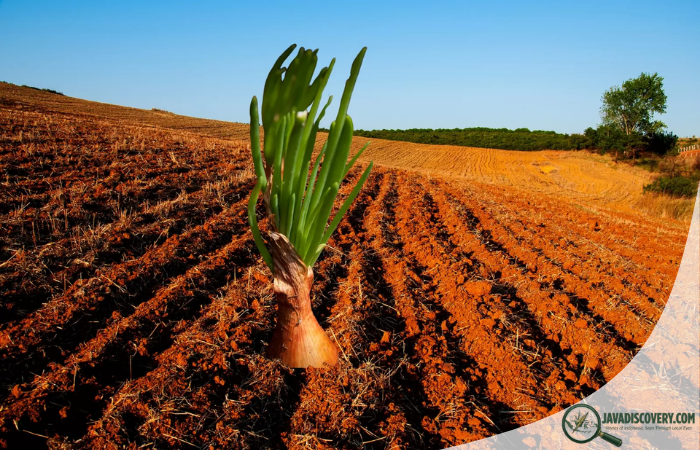
In an agrarian society, rain is more than weather. It is a determining force in agricultural cycles.
The smell of rain, arriving just before the first drops, serves as an early cue. It indicates that conditions are shifting, that the land is about to receive water after a period of dryness.
For farmers, this moment holds practical importance. It suggests the beginning of planting periods, the renewal of soil moisture, and the potential for growth.
Even in areas where modern forecasting is available, sensory observation remains part of how seasonal change is understood.
A Sensory Connection to the Land
The experience of rain in Java is deeply sensory. It is not limited to sight or sound, but includes smell, touch, and temperature.
The scent of wet earth, the coolness of the air, the texture of damp soil underfoot all contribute to a complete perception of change.
This sensory awareness reflects a close relationship between people and their environment.
Rather than observing nature from a distance, individuals experience it directly, through the body and its senses.
The Language of Earth
In Javanese understanding, the land is not passive. It responds, reacts, and communicates in subtle ways.
The smell of rain can be seen as part of this communication. It is the earth’s response to water, a release of scent that signals transformation.
This idea aligns with broader cultural perspectives in which natural elements are interconnected and imbued with meaning.
While not always expressed in formal language, such perceptions influence how people interpret their surroundings.
Emotional Atmosphere of Rain
The arrival of rain changes not only physical conditions but also emotional atmosphere.
The smell that precedes it often carries a sense of calm. It softens the intensity of heat and introduces a feeling of relief.
In some cases, it brings anticipation. The expectation of rain creates a pause, a moment where activity slows and attention shifts.
This emotional response is shared across communities, forming a collective experience tied to environmental change.
Rain Smell in Daily Life
In villages, the smell of rain is woven into everyday routines. It may signal the need to bring drying crops indoors, to cover stored materials, or to prepare for wet conditions.
At the same time, it creates moments of stillness. People may step outside briefly, acknowledging the shift before returning to their activities.
These small interactions reinforce the presence of rain as both a practical and experiential element of life.
Urban Distance from Sensory Cues
In urban areas, the experience of rain smell can be different. Concrete surfaces and pollution alter the composition of the scent.
The connection between soil and rain becomes less direct, and the intensity of the smell may diminish.
This change reflects a broader distance from natural processes. Sensory cues that are clear in rural settings become less pronounced.
As a result, the cultural meaning associated with them may also shift.
Scientific Understanding and Local Experience
From a scientific perspective, petrichor results from oils released by plants and compounds produced by soil-dwelling bacteria. When rain falls, these particles are carried into the air, creating the characteristic scent.
While this explanation provides insight into the mechanism, it does not fully capture the experience.
In Java, the meaning of the smell extends beyond its origin. It is understood through context, memory, and interaction with the environment.
This combination of knowledge systems reflects how scientific and cultural perspectives can coexist.
A Marker of Seasonal Identity
Java’s identity is closely tied to its seasonal patterns. The alternation between dry and wet periods shapes landscapes, livelihoods, and daily routines.
The smell of rain becomes part of this identity. It marks transitions, signaling the movement from one phase to another.
Unlike visual indicators, which may require observation, scent is immediate. It arrives without effort, embedding itself in awareness.
In this way, it serves as a subtle but powerful marker of time.
Moments That Cannot Be Held
The smell of rain is fleeting. It appears briefly, then fades as rainfall becomes steady.
This impermanence contributes to its significance. It is a moment that cannot be prolonged, only experienced as it passes.
Such moments encourage attention. They invite individuals to notice changes that might otherwise go unrecognized.
The Breath Before Rain
Standing in a field or along a village path, just as the scent begins to rise, there is a sense of anticipation. The air feels different, charged with possibility.
Then the first drop falls, followed by another, and soon the landscape is transformed by sound and movement.
Yet even as the rain continues, the memory of that initial scent remains.
In Javanese life, the smell of rain is more than a prelude. It is part of how change is perceived and understood. A quiet signal that connects people to the land, to the seasons, and to the passage of time itself.
Category: Culture
Writer: Anita Surachman
A. SEO Title
The Cultural Meaning of Rain Smell in Javanese Life
B. Meta Description
Discover the cultural meaning of rain smell in Java, where scent, memory, and seasonal rhythms shape everyday life.
C. Meta Keywords
rain smell Java, petrichor Indonesia culture, Javanese seasonal meaning rain, rural Java sensory culture, smell of rain Java villages
D. Excerpt
The scent of rain carries memory and meaning across Javanese life.
F. Focus Keyword
rain smell Java