Young Java Holding Tradition Alive in the Age of Social Media

javadiscovery.com – Morning arrives quietly in a Javanese neighborhood long before the streets are awake. The air carries the faint scent of damp earth and burning incense. Somewhere behind wooden doors, a grandmother arranges flowers and rice for a household offering. In the next room, her grandson scrolls through his phone, eyes adjusting to the glow of the screen. Notifications flicker across his face while the soft chant of a prayer drifts through the house. Tradition and technology occupy the same space, not colliding, not merging, simply coexisting.
A Generation Raised Between Ritual and WiFi
Young Javanese today grow up surrounded by layers of inheritance. Family homes often hold memories embedded in their walls, from carved doors polished by decades of hands to framed photographs of ancestors staring solemnly from another era. These spaces teach without words. Respect is learned through posture, through silence, through knowing when not to speak.
At the same time, smartphones arrive early in life. Children learn to swipe before they learn to write in Javanese script. Global music, foreign slang, and distant political debates arrive instantly, dissolving the isolation that once shaped village life.

The result is a generation fluent in two worlds. One moves slowly, guided by custom, ceremony, and communal harmony. The other moves at the speed of algorithms.
The Language of Respect in a Digital World
Javanese culture is deeply embedded in language. Speech reflects hierarchy, age, and intimacy. Choosing the correct register is a moral act as much as a linguistic one.
Online, these distinctions blur. Social media platforms do not recognize elders. A comment section flattens age and status into identical text boxes. For many young Javanese, this creates unease.
“On social media, I speak freely,” says Raka, a university student in Surakarta. “But when I return home, my words must be careful again. It feels like changing clothes.”
Some elders worry that constant exposure to informal digital language erodes discipline. Others accept it as inevitable. What remains consistent is the expectation that respect is shown offline, in gestures and behavior, even if language online becomes looser.
Social Media as the New Communal Space
In earlier generations, communal life unfolded in courtyards, village halls, and markets. News traveled slowly through conversation. Reputation was built face to face.
Today, social media functions as a new village square. Young people gather there to exchange opinions, display creativity, and test identities. Traditional norms are debated openly, sometimes uncomfortably.
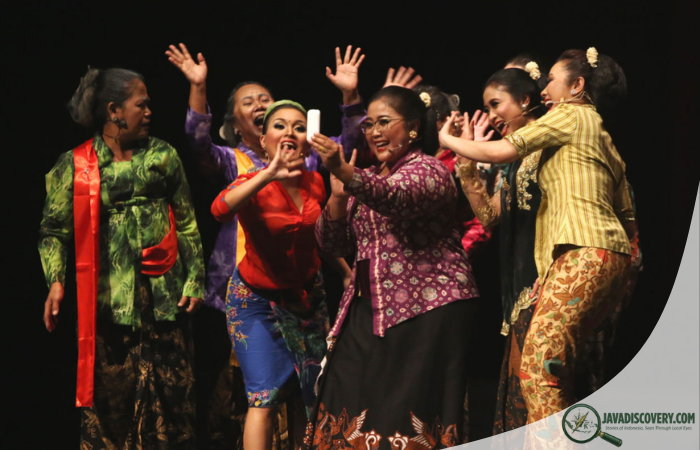
Videos of traditional dances reach viewers who have never attended a village performance. Photos of ceremonial clothing circulate alongside modern fashion. Hashtags replace word of mouth.
Visibility changes meaning. A ritual once private becomes public. A local tradition becomes content.
Ritual in the Age of the Camera
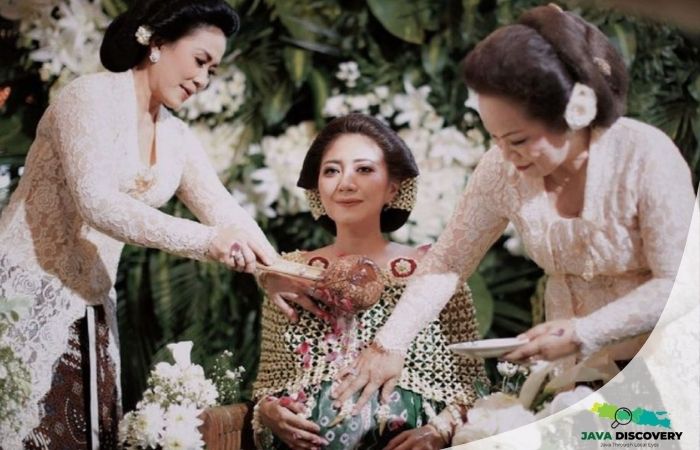
Ceremonies remain central to Javanese life. Birth rituals, weddings, communal prayers, and seasonal observances continue to structure time. Yet the presence of cameras has altered their atmosphere.
Young participants think about framing, lighting, and timing. Ritual moments pause briefly for photographs. Elders sometimes shake their heads, unsure whether sacredness is being preserved or diluted.
Still, documentation has value. In some villages, young people create archives of rituals that might otherwise fade. Videos become records for future generations.
“If we do not record it, it will disappear,” says Ayu, a community volunteer in Central Java. “At least now it lives somewhere.”
Negotiating Obedience and Individual Voice
Traditional Javanese values emphasize harmony over confrontation. Family decisions are often collective. Young people are taught to place communal stability above personal ambition.
Social media promotes the opposite. Individual expression is rewarded. Strong opinions gain attention. Silence disappears.
This tension plays out quietly. Many young Javanese present different selves depending on the space they occupy. Online, they debate social justice, gender roles, and generational authority. At home, they bow their heads and listen.
“It is not rebellion,” says Lina, a young writer from Yogyakarta. “It is survival. We respect our families, but we also need room to breathe.”
Aesthetic Revival and Cultural Performance
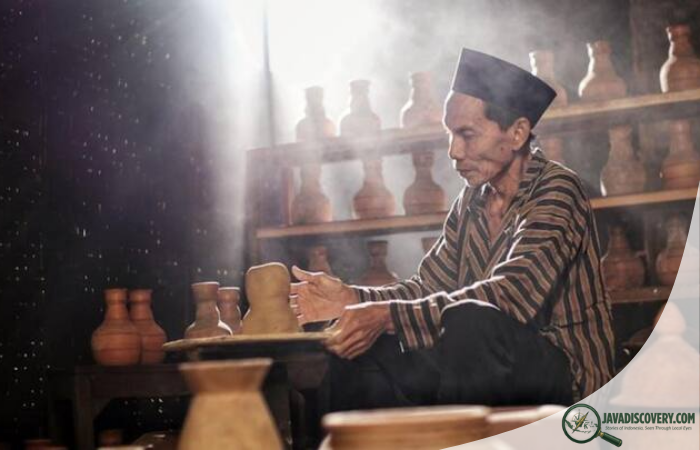
Ironically, the digital age has sparked renewed interest in Javanese aesthetics. Traditional motifs reappear in modern clothing. Classical music influences electronic compositions. Old stories inspire visual art shared widely online.
For some, this revival feels superficial. Symbols travel faster than meanings. Sacred objects become decorative elements.
For others, aesthetics serve as an entry point. Visual attraction leads to curiosity. Curiosity leads to learning.
Cultural practitioners note that interest among young people often begins with appearance before deepening into understanding.
Faith, Spirituality, and Online Influence
Java’s spiritual landscape has always been layered. Belief systems overlap, adapt, and coexist. For older generations, spirituality is practiced through routine and restraint.
Young people encounter spiritual ideas through digital streams. Quotes, teachings, and interpretations appear mixed with entertainment. Authority becomes decentralized.
This creates both confusion and opportunity. Misinformation spreads easily. Yet access allows young people to explore beliefs beyond their immediate environment.
Many describe their spiritual journey as fragmented but sincere. They search for meaning across platforms, then return to traditional practices with new questions.
Living in Parallel Time
Young Java lives in parallel time. Tradition unfolds slowly, guided by calendars older than the nation itself. Digital culture resets daily.
Moving between these rhythms requires constant adjustment. A young person may spend the afternoon attending a ritual that honors ancestors, then spend the evening editing a video for social media.
This duality shapes identity. It produces flexibility, but also fatigue.
Yet within this tension lies creativity. Young Javanese are not abandoning tradition. They are reshaping its expression.
The Shape of What Comes Next
The future of Javanese tradition will not be defined by purity or preservation alone. It will be shaped by negotiation.
Some customs will fade quietly. Others will transform. New practices will emerge that feel unfamiliar to elders but meaningful to youth.
What remains constant is the search for balance. Between respect and voice. Between memory and momentum.
As incense smoke rises beside the glow of a screen, young Java continues its conversation with the past, not finished, not settled, but very much alive.