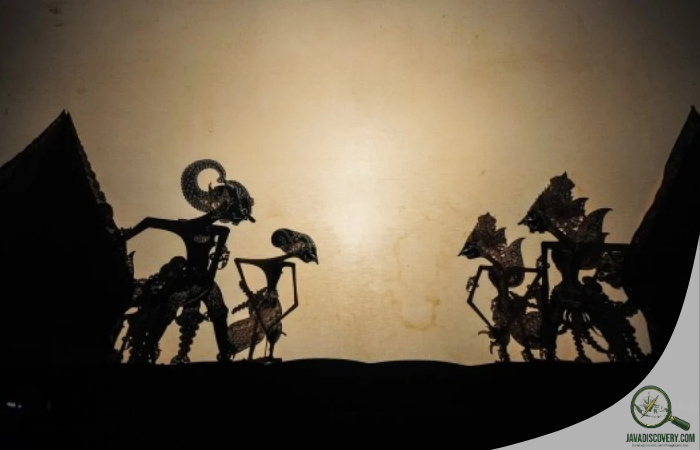
The Quiet Loneliness of Elderly Villagers

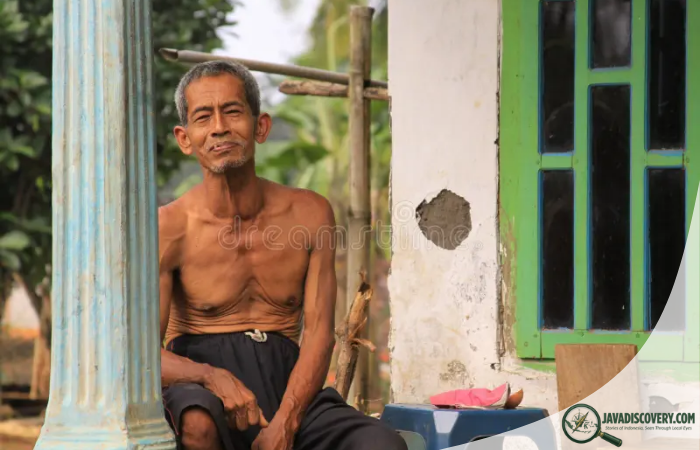
javadiscovery.com — As the long, orange light of “lingsir kulon” (late afternoon) stretches across the swept dirt of a village yard, the quiet loneliness of elderly villagers manifests in the slow, rhythmic creak of a bamboo chair. In the heart of rural Java, “sepi” (silence) is not merely the absence of sound; it is a palpable atmosphere that settles over the “omah” (home) once the children have departed for the “perantauan” (migration) in distant cities. The quiet loneliness of elderly villagers is a modern phenomenon draped in ancient stoicism. While the Javanese value of “nrimo ing pandum” (accepting one’s lot) provides a spiritual shield, the physical reality of empty rooms and silent kitchens tells a story of a shifting social fabric. The “simbah” (elder) remains as a guardian of the ancestral land, a solitary figure navigating the “hawa” (aura) of a house that was built for a crowd but now echoes only with the sound of a ticking clock or a distant bird. The quiet loneliness of elderly villagers is a poignant “lelaku” (spiritual journey), where the final years are spent in a deep, often unspoken, dialogue with the self and the divine.
The Echo of the “Merantau” Culture
To understand the local depth of the quiet loneliness of elderly villagers, one must look at the economic necessity of “merantau.” For decades, the youth of the village have been drawn to the industrial centers of Bekasi, Tangerang, or abroad to Malaysia and Taiwan. They leave behind the “sepuh” (elders) to maintain the family “sawah” (rice fields) and “pusaka” (heirlooms). The quiet loneliness of elderly villagers is the price paid for the “kiriman” (remittances) that build the modern brick houses replacing the old wooden ones. These houses are larger and stronger, yet they often feel “dingin” (cold) because they lack the warmth of “guyub” (togetherness) that once defined the Javanese family unit.
Local voices in the limestone hills of Kidul describe this as “ngenteni mulih” (waiting for the return). An elderly woman, her fingers stained orange from “nginang” (chewing betel nut), explains that the phone calls on Saturday nights are like “tetesing bun” (drops of dew)—refreshing but fleeting. The quiet loneliness of elderly villagers is most acute during the “bakda” (post-holiday) season, when the house is briefly filled with the chaos of grandchildren, only to fall back into a deeper, more hollow silence once the cars drive away. The transition from “rame” (bustle) back to “sepi” is a ritualized heartbreak that the elderly learn to navigate with a “mesem” (smile) that hides a thousand “kangen” (longings).

“The walls are high now, and the floor is ceramic. It is clean, but it doesn’t hold the heat of people. Sometimes, the only thing that talks back to me is the wood in the roof when it settles at night.” — Mbah Darmo, 78, living alone in a village near Wonogiri.
Nature as the Last Companion
In the face of the quiet loneliness of elderly villagers, the “pekarangan” (home garden) becomes a vital social outlet. For many elders, the plants and livestock are not just food sources; they are “kanca” (friends). The quiet loneliness of elderly villagers is mitigated by the act of “ngingu”—tending to chickens, a songbird in a cage, or a row of chili plants. This daily “perawatan” (care) provides a sense of “kegunaan” (usefulness). In the Javanese worldview, as long as one can still “ngobahke awak” (move the body) to serve another living thing, the soul remains “urip” (alive).
This relationship with nature is a sophisticated coping mechanism. The quiet loneliness of elderly villagers is often channeled into “bercocok tanam” (farming), where the elder communicates with the “Dewi Sri” (rice goddess) or the spirits of the trees. The “suara jengkerik” (sound of crickets) and the “angin” (wind) are interpreted as signs and omens, filling the social void with a cosmic presence. This is the “spiritualitas” of the village—finding a community in the “gaib” (unseen) and the “alam” (nature) when the human community has moved to the skyscrapers.
| Element of Loneliness | The Village “Medicine” (Tombo) |
|---|---|
| Empty House (Omah Suwung) | Regular “Pengajian” (Religious gatherings) |
| Lack of Conversation | “Nginang” or “Jagongan” at the local stall |
| Feeling of Uselessness | Tending the “Pekarangan” or grandchildren |
| Fear of the Future | “Pasrah” (Total surrender to the Divine) |
“Sangu Mati”: The Spiritual Preparation
Ultimately, the quiet loneliness of elderly villagers is often reframed as a period of “sangu mati”—preparing the provisions for death. In Javanese philosophy, the final stage of life should be spent in “meneng” (stillness). The quiet loneliness of elderly villagers is seen as an opportunity to detach from “donya” (the world) and focus on “akherat” (the afterlife). This is the “sepi ing pamrih”—being quiet in one’s personal desires. The silence of the house becomes a “semedi” (meditation) room.
An elder who can endure the quiet loneliness of elderly villagers with “sabar” (patience) and “syukur” (gratitude) is considered “mumpuni” (spiritually accomplished). They are not “lonely” in the Western sense of being depressed; they are “nyawiji” (becoming one) with their destiny. This doesn’t mean the pain of missing their children isn’t there, but it is placed within the “cakra manggilingan”—the wheel of life. They understand that their children must “miber” (fly) so the family can thrive. Their “sepi” is a sacrifice, a final act of “kasih sayang” (love) for the lineage.
Conclusion: The Dignity of the Silent Watcher
The quiet loneliness of elderly villagers is a testament to the resilience of the rural Javanese spirit. It is a state of being that balances the ache of abandonment with the peace of spiritual surrender. As the village changes and the “anak muda” move further away, the “simbah” remains as the “penjaga gerbang” (gatekeeper), holding the “roso” of the village in their quiet, trembling hands. The quiet loneliness of elderly villagers reminds us that a life lived in “harmoni” includes the ability to face the silence with dignity.
In the heart of Java, the most profound “suara” (voice) is often found in the silence of an old man staring at his fields or an old woman folding her “jarik” (batik cloth) for the thousandth time. Their quiet loneliness of elderly villagers is not a void, but a “simpanan” (storehouse) of wisdom and endurance. They are the “akar” (roots) that stay deep in the mud so the branches can reach for the city lights. To witness them is to witness the “invisible strength” of the Javanese soul.