Returning to the Village After Years in the City

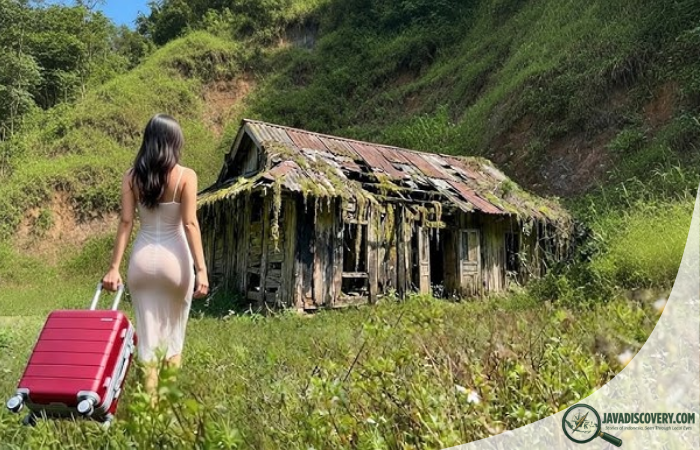
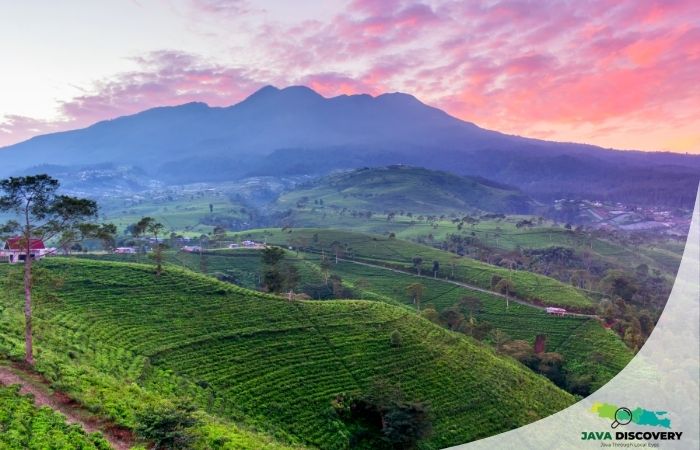
javadiscovery.com — In the quiet hush of a Central Javanese “dusun” (hamlet) as the sun begins to dip below the teak canopy, the experience of returning to the village after years in the city begins with a sudden, overwhelming awareness of silence. To the Javanese “perantau” (migrant), the city—whether it be the concrete sprawl of Jakarta or the neon hum of Surabaya—is often a place of “rame” (noise) and “pamrih” (hidden motives). Returning to the village after years in the city is not just a change in geography; it is a profound “re-entry” into the Javanese soul. It is the transition from being an anonymous cog in the urban machine to being a recognized “bagian” (part) of a living “guyub” (community). In the village, time is not measured by the frantic ticking of a digital clock, but by the “adzan” from the local mosque, the cycle of the “sawah” (rice fields), and the lengthening shadows on the “pendopo.” Returning to the village after years in the city is an act of “sangkan paraning dumadi”—a return to the origin—where the individual seeks to find “tentrem” (inner peace) after a long, wearying battle with the “donyo” (material world).
The Social Shock: From Individual to “Guyub”
To understand the local impact of returning to the village after years in the city, one must first navigate the shift in social “etiket.” In the city, privacy is a luxury and a shield; in the village, it is virtually non-existent. Returning to the village after years in the city means once again becoming a subject of “rasan-rasan” (village gossip), but also a recipient of “gotong royong” (communal help). The “individualisme” that one develops in the urban jungle must be discarded in favor of “tepo seliro” (tolerance) and “rukun” (harmony). In the village, your “urusan” (business) is everyone’s business, not out of malice, but out of a deep-seated Javanese belief that we are all “sedulur” (siblings).
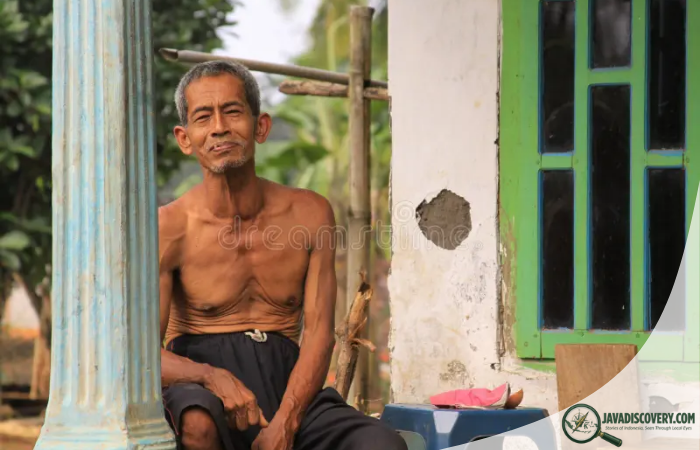
Local voices in the rural heartlands of Wonogiri describe this transition as “ngasake awak” (tempering the body). An old “sesepuh” (elder), puffing slowly on a clove cigarette, observes that those returning to the village after years in the city often arrive with “mripat sing landhep” (sharp eyes)—eyes that are always looking for profit or advantage. The village gradually “softens” these eyes through the sheer weight of “unggah-ungguh” (etiquette). You cannot simply walk past a neighbor’s house; you must “nuwun sewu” (excuse me) and perhaps stop for a glass of “teh anget” (warm tea). This social “lambat” (slowness) is the primary medicine for the urban soul, forcing the returnee to remember that “manungsa” (humans) are defined by their relationships, not their “jabatan” (position).

“In the city, I was a Manager. Here, I am just ‘Le’ (son) of my mother again. It’s humbling, and at first, it was irritating. But then you realize that the Manager was a mask, and ‘Le’ is the truth.” — Budi, 45, returned to Sleman after 20 years in Jakarta.
The Rhythms of “Jam Karet” and Seasonality
Perhaps the most jarring aspect of returning to the village after years in the city is the death of “deadline” culture. In the city, “waktu adalah uang” (time is money), but in the village, time is “paringan” (a gift). The concept of “jam karet” (rubber time) reaches its ultimate expression here. Returning to the village after years in the city requires a complete recalibration of one’s internal “ritme.” You learn that the “tukang kayu” (carpenter) will arrive when the “feeling” is right, and that a meeting starts not at 7:00 PM, but when the “tamu” (guests) have all arrived and finished their snacks.
This seasonality extends to the physical world. Returning to the village after years in the city reintroduces the migrant to the “mongso” (seasons). You become acutely aware of the “pancaroba” (transitional season) when the wind changes and the children get “masuk angin” (colds). You learn the difference between “hujan kiriman” and a local downpour. This connection to the “alam” (nature) is often what urbanites miss most without even knowing it. The “pekarangan” (home garden) becomes a place of active engagement rather than just a patch of grass. Returning to the village after years in the city turns the “perantau” back into a “wong tani” (farmer) at heart, even if they never pick up a “cangkul” (hoe).
| City Life (Urip Kutho) | Village Life (Urip Deso) |
|---|---|
| Anonymity & Privacy | Guyub & Communal Monitoring |
| High Stress / High Speed | Sabar / Alon-alon Waton Kelakon |
| Consumerist / Artificial | Subsistence / Organic / Reciprocal |
| Linear Progress | Cyclical / Seasonal Continuity |
The Spiritual Anchor: “Mawas Diri” and Ancestors
For many, the core motivation for returning to the village after years in the city is “spirituil.” The Javanese “kebatinan” (inner spirituality) thrives in the “sunyi” (silence) of the rural landscape. In the city, one’s “batin” is often “sumpek” (stifled) by the pursuit of wealth and status. Returning to the village after years in the city provides the “ruang” (space) for “mawas diri”—the practice of self-observation. Standing in the middle of a family “sawah” or sitting in the “senthong tengah” of an ancestral home, the returnee is forced to confront their “jatidiri” (true identity).
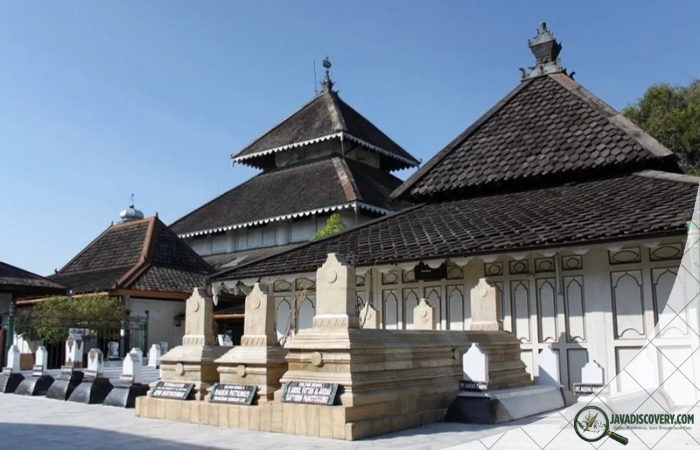
The presence of the ancestors is also much more “nyoto” (real) in the village. Returning to the village after years in the city often involves a “nyekar” (visit to the graves) of parents and grandparents. In the village “makam” (cemetery), the lineage is visible and tangible. This creates a sense of “anteng” (stability). You are no longer a drifting atom in a globalized world; you are a link in a chain. The “berkah” (blessing) of the ancestors is believed to be stronger in the “tanah kelahirane” (land of birth). Returning to the village after years in the city is a way of “ngundhuh wohing pakarti”—reaping the fruits of one’s actions and finding a place where those actions actually have permanent meaning.
The Challenge: Modern Skills vs. Ancient Structures
However, returning to the village after years in the city is not without its “ganjalan” (obstacles). Those who return often bring “ilmu kutho” (city knowledge) that may clash with village “kawicaksanan” (wisdom). Trying to implement “efisiensi” in a village “slametan” (feast) is a recipe for social disaster. Returning to the village after years in the city requires the “perantau” to be a “diplomat.” You must show that your time in the city hasn’t made you “keminter” (acting too smart) or “lali asale” (forgetting your roots).
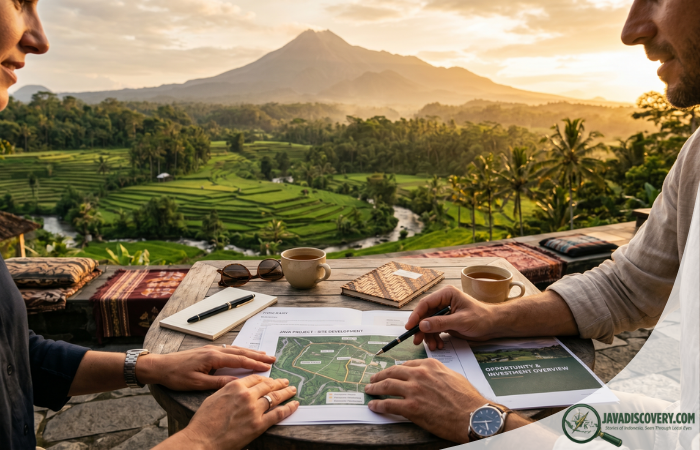
The economic reality can also be a “shock.” Returning to the village after years in the city often means moving from a steady “gaji” (salary) to a more “serabutan” (variable) income or relying on “hasil bumi” (harvest). Many successful returnees find a “jalan tengah” (middle way), using digital tools to work remotely or starting “agribisnis” that respects the local “ekosistem.” This “hybrid” lifestyle is the future of the Javanese village, where the “global” and the “lokal” meet in a state of “rukun.” The successful returnee is the one who can use their city “pengalaman” to strengthen the village without destroying its “nyawa” (soul).
Conclusion: The Village as a Sanctuary
Returning to the village after years in the city is ultimately a journey toward “keselamatan” (safety/well-being). It is the recognition that while the city can feed the “perut” (stomach), only the village can truly feed the “ati” (heart). The Javanese home, with its “hawa adem” (cool air) and its “paseduluran” (brotherhood), remains the ultimate “benteng” (fortress) against the uncertainties of the modern world. Returning to the village after years in the city is an act of “nglungguhi” (occupying) one’s rightful place in the cosmic order.
As the “angkringan” (food stall) begins to fill with neighbors in the evening and the smell of woodsmoke drifts from the “pawon,” the returnee finally feels their shoulders drop. The tension of the city evaporates. Returning to the village after years in the city is a long, winding road, but it leads to a “panggonan” (place) where you are known, where you are needed, and where you are finally home. In the heart of Java, the village is not the past—it is the “abadi” (eternal) present, waiting for its children to come back and rest.