The Cultural Meaning of Monsoon in Javanese Life

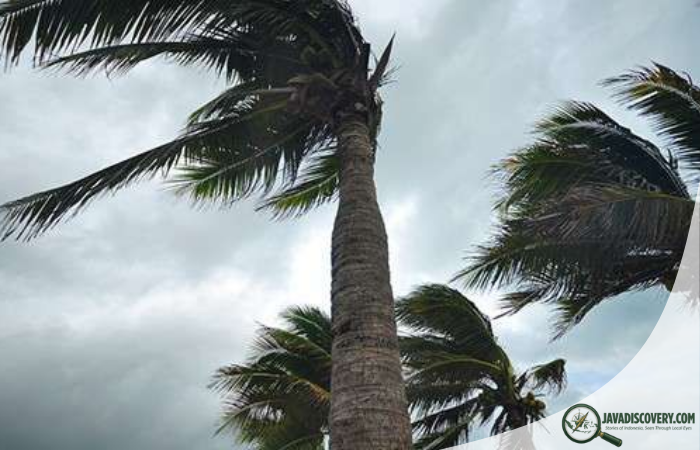
javadiscovery.com – The first heavy rain does not arrive quietly. It strikes the tiled roofs of Central Java with a sudden roar, turning dust into the scent of wet earth within seconds. Wind moves through banana leaves in restless waves. Children run barefoot into courtyards, laughing as gutters overflow. Somewhere in the distance, thunder rolls across rice fields that only weeks ago were cracked and pale. The monsoon has returned, and with it, a shift not only in weather, but in rhythm, belief, and memory.
More Than a Season
In meteorological terms, the monsoon is a wind system driven by temperature differences between land and sea. In Java, it typically divides the year into two broad periods, the rainy season and the dry season. Yet for Javanese communities, the monsoon is not merely a climatic cycle. It is a cultural framework that orders agricultural labor, spiritual observance, architecture, and even language.
The arrival of sustained rain signals more than irrigation. It announces the reopening of possibility. Farmers watch the sky carefully in late October and November, reading subtle changes in cloud formation and wind direction. The first dependable rains determine when to plow, when to transplant rice seedlings, when to gather labor.

Pranata Mangsa and the Wisdom of Seasons
Long before modern forecasting, Javanese farmers relied on pranata mangsa, a traditional calendar system that organizes the year into seasonal segments. Developed centuries ago in agrarian courts, pranata mangsa links constellations, rainfall patterns, plant behavior, and animal activity into a coherent guide for cultivation.
Each mangsa carries distinct expectations. Certain insects emerge in one period. Specific winds dominate another. The first meaningful rains are anticipated within a particular window. While climate variability has altered some patterns, older farmers still reference this system, blending inherited knowledge with contemporary information.
In a village near Yogyakarta, Pak Darno traces seasonal divisions with his finger across a worn notebook. “Rain is not random,” he says. “It has character. If you observe carefully, you know when the earth is ready.” His fields lie fallow at the end of the dry season, soil brittle beneath the sun. After several nights of steady rain, he and his neighbors begin preparing the paddies, water pooling between their toes as buffalo pull plows through softening ground.
Rice and Renewal
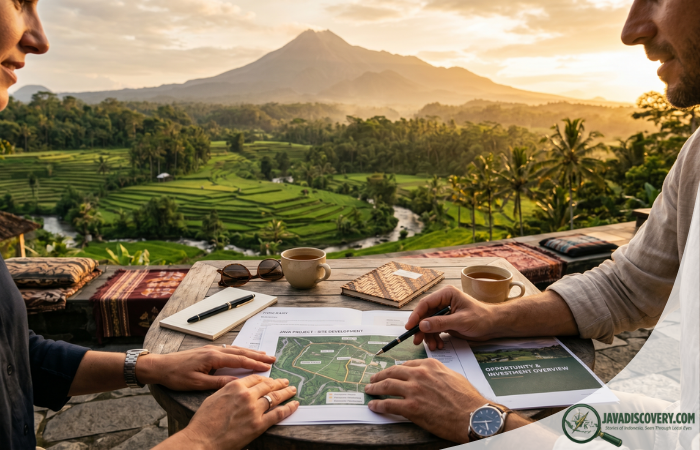
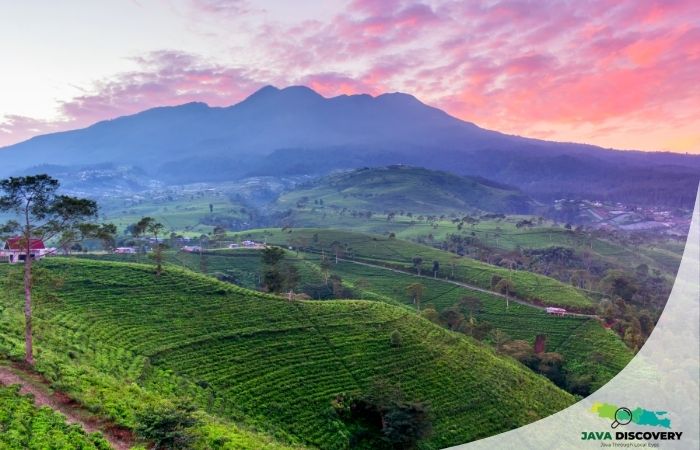
The monsoon breathes life into rice cultivation, the backbone of Javanese subsistence and identity. Terraced fields transform from dusty basins into mirrors reflecting a gray sky. Seedlings, bright and tender, are transplanted by hand in careful rows. Women in wide conical hats bend for hours, their reflections wavering in shallow water.
Rainfall must be sufficient but not excessive. Too little delays planting. Too much can flood young plants. The monsoon is both ally and risk. Its timing affects harvest yield months later, shaping food security and local economies.
When planting begins, some communities hold selamatan, communal meals seeking harmony and protection. Offerings of rice cones, vegetables, and sweet tea are placed at the edge of fields. Prayers are spoken softly, asking for balanced rain and protection from pests. The ceremony binds labor to gratitude, acknowledging forces beyond human control.
Soundscapes of Rain
The rainy season alters the acoustic character of villages. Roofs amplify downpours into a steady drumming. Rivers swell and murmur more urgently. Frogs call from irrigation ditches at dusk, their chorus thick and layered. Even conversations shift, voices raised slightly to compete with falling water.
In urban neighborhoods of Surakarta and Semarang, the monsoon announces itself through traffic slowed by flooded streets and the rhythmic splash of tires. Street vendors pull plastic tarps over carts. Steam rises from bowls of bakso, mingling with cool air after rain. The sensory texture of daily life changes.
Architecture Shaped by Rain
Traditional Javanese architecture reflects intimate knowledge of monsoon dynamics. Joglo houses, with their steeply pitched roofs and wide overhangs, are designed to channel heavy rainfall efficiently. Elevated floors protect interiors from minor flooding. Ventilation systems allow air to circulate even during humid months.
In coastal regions, stilted structures lift living spaces above potential tidal surges intensified during monsoon storms. The design is practical yet aesthetic, merging environmental adaptation with cultural expression.
Craft traditions also respond to seasonal shifts. Batik production often intensifies during drier months, when fabric can dry more quickly under the sun. During prolonged rain, artisans adjust processes, working indoors, attentive to humidity that affects dye absorption.
Spiritual Dimensions of Rain
For many Javanese, rain carries spiritual symbolism. It represents blessing, purification, and continuity. In wayang kulit performances, storms may accompany moments of transformation or divine intervention. In poetry and song, rain often signals longing or renewal.
Islamic prayers for rain, known as salat istisqa, are occasionally performed during extended drought. Congregations gather in open fields, palms raised, asking for relief. When rain finally falls, it is received with a mixture of relief and reverence.
Older syncretic traditions also link rainfall to ancestral presence. In certain rural areas, elders speak of spirits inhabiting springs and rivers, their well being intertwined with environmental balance. Offerings placed near water sources during transitional seasons reflect this worldview.
Monsoon and Memory
The monsoon marks personal timelines. Weddings are often scheduled with seasonal consideration. Travel plans account for flooded roads and landslides in mountainous regions. School calendars align holidays with agricultural cycles influenced by rainfall.
Ibu Rini, a grandmother in Banyumas, remembers childhood evenings spent under kerosene lamps during prolonged storms. Electricity was unreliable then. Rain confined families indoors, fostering storytelling. “We listened to the roof,” she says. “It felt like the sky was speaking.”
Urban Vulnerability and Adaptation
In modern Java, rapid urbanization complicates the monsoon’s impact. Impermeable surfaces increase runoff. Drainage systems strain under intense downpours. Flooding in Jakarta and other cities has become a recurring headline, shaped by both heavy rainfall and land subsidence.
Yet even in cities, cultural attitudes toward rain persist. Street photography often captures children playing in floodwater despite parental warnings. Social media fills with images of darkened skies and dramatic lightning over city skylines. The monsoon remains a shared experience, bridging rural and urban divides.
Climate Change and Uncertain Patterns
Recent decades have introduced greater variability into monsoon cycles. Onset dates shift. Rainfall intensity fluctuates. Farmers who once relied confidently on pranata mangsa now consult mobile forecasts alongside ancestral knowledge. The conversation between tradition and science becomes more urgent.
Prolonged drought can delay planting and reduce yields. Sudden extreme rainfall can trigger landslides in highland villages. The cultural meaning of monsoon evolves as communities confront these changes, balancing reverence with adaptation.
The Emotional Weight of Clouds
On a late afternoon in November, clouds gather above Mount Merapi. The air thickens, expectant. Farmers pause in their fields, scanning the sky. When rain begins, it falls steadily, without violence. Soil darkens. Leaves tremble. A coolness spreads across the landscape.
For a moment, everything feels aligned. The monsoon does not belong to any single belief system or occupation. It belongs to the island itself, threading through courtly calendars, village rituals, architectural forms, and urban routines.
In Java, rain is never only weather. It is inheritance and anticipation, discipline and relief. It structures time not in abstract months but in felt transitions between dryness and abundance. Each season carries memory of the last and promise of the next.
As night settles and rain continues its steady rhythm, the island breathes differently. Rivers swell in darkness. Rice fields absorb the sky. In homes across Java, people fall asleep to the sound of water on tile, aware that by morning the earth will be changed again, nourished and reshaped by the monsoon’s enduring presence.