Ancient Wisdom in the Shadows of Javanese Wayang

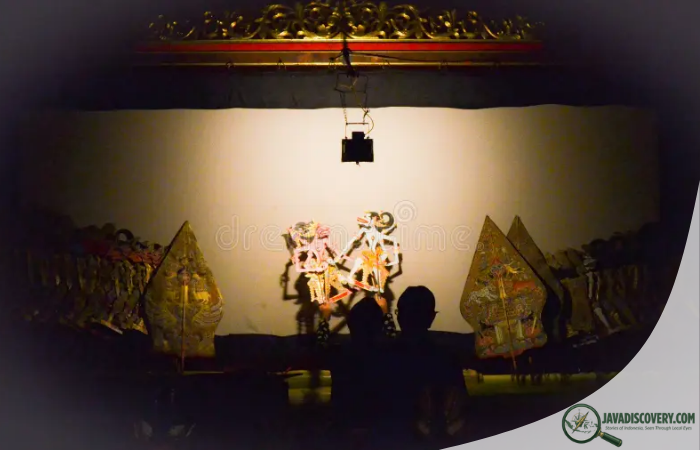
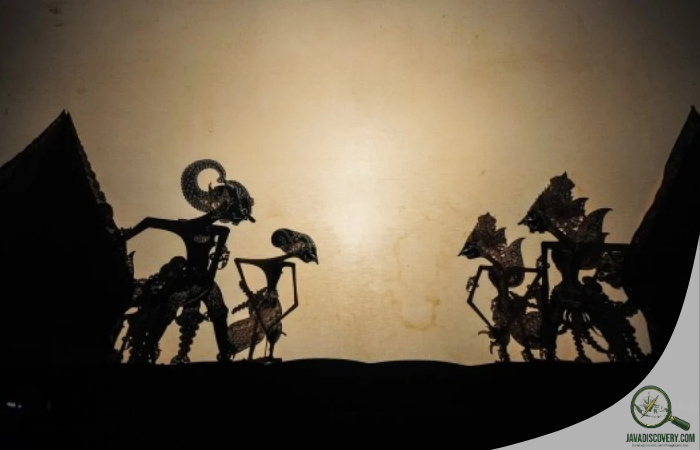
javadiscovery.com – As the sun dips behind the jagged silhouette of Mount Merapi, a heavy humidity settles over the village of Wonosari in Central Java. The air is thick with the scent of jasmine and the distant, pungent aroma of clove cigarettes. Inside a wooden pavilion, an oil lamp known as a blencong is lit, casting a warm, flickering amber glow against a taut white linen screen. This is the kelir, a canvas that serves as the boundary between the seen and the unseen. Tonight, the shadows are waking up. For the Javanese, these dark forms dancing against the cloth are not mere absences of light. They are the bayangan: the living shadows that hold the memories of ancestors, the wisdom of gods, and the very essence of the human spirit. In this flickering space, the physical world dissolves, leaving only the truth of the shadow to tell the story of a civilization.
The Philosophy of the Screen and the Sun
To understand the cultural weight of shadows in Java, one must look beyond the entertainment value of a puppet performance. In the worldview of Kejawen, the traditional Javanese spiritual teaching, the shadow play or Wayang Kulit is a microcosm of the universe. The white screen represents the world of the living, a blank slate where the drama of existence unfolds. The blencong, the traditional bronze oil lamp hanging above the dalang or puppet master, represents the sun: the source of life and divine light. Without the light, there are no shadows. Without the divine, there is no existence.
The shadows cast upon the screen are considered more real than the leather puppets that create them. While the puppets are intricately carved from water buffalo hide and painted with gold leaf and vibrant pigments, they are physical objects subject to decay. The shadow, however, is intangible. It is an ethereal representation of the character’s soul. In the Javanese mind, the physical body is often viewed as a mask or a temporary vessel. It is the shadow, the inner self, that carries the weight of karma and character. When a spectator watches a Wayang performance from behind the screen, they are witnessing the world of spirits, a realm where the physical details of the puppets are stripped away, leaving only the essential silhouette.

This duality is central to Javanese thought. The concept of bayangan extends into daily life, influencing how people perceive their surroundings and their history. A shadow is a reminder that everything in the material world has a spiritual counterpart. The towering banyan trees that anchor village squares are not just timber and leaves: their deep, sprawling shadows are believed to be the dwellings of guardian spirits. To walk through a shadow is to move through a space occupied by something other than oneself. It requires a quiet respect, a recognition that the world is more crowded than it appears to the naked eye.
The Dalang as the Mediator of Realms
At the center of this shadow world sits the dalang. More than a performer, the dalang is a priest, a philosopher, and a medium. Before the first shadow is cast, the dalang must undergo rigorous spiritual preparation. This often involves fasting, meditation, and the burning of incense to invite the ancestors to join the gathering. The dalang sits cross legged for nine hours or more, never leaving his post, moving the puppets with rhythmic precision while narrating the complex epics of the Mahabharata and the Ramayana.
The voice of the dalang changes as he breathes life into each character, but his eyes remain fixed on the interplay of light and shadow. He must understand the physics of the lamp: how moving a puppet closer to the flame makes the shadow grow large and blurred, representing a character in a state of rage or spiritual confusion. Moving it closer to the screen makes the shadow sharp and defined, signifying clarity, focus, and divine grace. This manipulation of light is a sacred skill. The dalang is essentially managing the visibility of the soul.
Local voices in the villages often speak of the dalang as a bridge. An old artisan in Magelang, whose hands are permanently stained with the ink used to detail the puppets, explains that the dalang does not just tell a story. He opens a door. When the smoke from the incense rises and the first strike of the cempala or wooden knocker hits the puppet chest, the atmosphere in the village changes. The air feels heavier, charged with the presence of the past. The shadows on the screen are no longer just leather: they are the ancestors returning to provide guidance to the living. The dalang is the only one capable of holding that connection without being consumed by it.
The Anatomy of a Shadow: Artistry in the Dark
The creation of the puppets used to produce these shadows is an act of devotion that can take months for a single figure. The process begins with the skin of a water buffalo, which is cured, scraped, and dried until it is translucent. This translucency is vital. While the audience on the shadow side of the screen sees only black forms, the audience on the dalang’s side sees the vibrant colors. However, the true artistry is found in the tiny perforations, the thousands of needle sized holes that allow pinpricks of light to pass through the shadow.
These perforations define the character’s jewelry, the texture of their garments, and the expression in their eyes. A shadow of the hero Arjuna must possess a specific grace: a downward gaze and a slender frame that reflects his refined nature. The shadow of the giant Kumbakarna must be massive and jagged, his silhouette radiating a raw, untamed energy. The light passing through the holes creates a shimmering effect, making the shadow appear to breathe and pulse with life. This light within the shadow represents the spark of divinity that exists even in the darkest or most complex characters.
The materials themselves are deeply connected to the Javanese soil. The handles of the puppets are made from the horns of the water buffalo, polished until they shine like obsidian. The colors are derived from local minerals and plants: bone whites, indigo blues, and ochres. Even the wood of the box that holds the puppets, the kotak, is chosen for its resonant qualities. When the dalang taps the box to signal a change in the musical rhythm, the sound must be deep and grounding, like the heartbeat of the earth itself. Every element is designed to heighten the sensory experience, grounding the spiritual narrative in the physical textures of Java.
Shadows of the Sacred Mountains
The significance of shadows is not limited to the theater screen. It is etched into the very landscape of the island. Java is an island of fire, defined by a spine of volcanoes that rise like titans from the tropical plains. These mountains are the ultimate casters of shadows. At dawn, the shadow of Mount Semeru stretches for miles across the sea, a dark finger pointing toward the horizon. For the people living on its slopes, this shadow is a protective cloak. It defines the rhythm of the day and the boundaries of sacred land.
In the ancient stone temples of Borobudur and Prambanan, shadows are used as architectural tools to mark the passage of time and the cycles of the cosmos. During certain times of the year, the sun aligns perfectly with the stupas, casting shadows that point toward specific carvings or cardinal directions. These shadows are not accidental: they are part of a sophisticated astronomical calendar designed by the Sailendra and Sanjaya dynasties over a thousand years ago. To stand in the shadow of a Buddha statue at Borobudur during the summer solstice is to stand in a spot where the shadow itself becomes a vessel for mathematical and spiritual precision.
The shadows in these stone corridors also serve to highlight the bas reliefs. As the sun moves across the sky, the shadows shift, bringing different stories to life. A carving of a village scene that appears flat at noon suddenly gains depth and movement in the late afternoon as the shadows lengthen. This interplay of stone and shadow encourages a slow, meditative walk around the temple, a practice known as pradakshina. The pilgrim is meant to follow the shadows, uncovering the layers of Buddhist or Hindu teachings as the light changes, reflecting the shifting nature of reality and enlightenment.
The Moral Compass of the Dark
In Javanese culture, the shadow is also a metaphor for moral ambiguity. The Javanese rarely see the world in absolute black and white. Instead, they operate in the shades of gray: the shadows. This is best exemplified in the characters of the Wayang. Even the most virtuous heroes have shadows of doubt or pride, and even the villains often possess a shadow of nobility or tragic necessity. The shadow on the screen does not judge: it simply reveals the form as it is.
This cultural nuance is reflected in the Javanese concept of alus or refinement versus kasar or coarseness. A refined person is like a sharp, well defined shadow: consistent, calm, and controlled. A coarse person is like a flickering, distorted shadow: unpredictable and lacking in spiritual depth. By observing the shadows on the screen, the Javanese audience learns how to navigate the complexities of their own lives. They learn that the truth is often found not in the bright, blinding light of the sun, but in the quiet, reflective space of the shadow.
The sound of the gamelan orchestra provides the heartbeat for this moral exploration. The bronze gongs, the xylophones, and the flutes create a wall of sound that envelops the audience, pulling them into a trance like state. The music does not compete with the shadows: it sustains them. The deep resonance of the gong ageng marks the end of a cycle, a reminder that all shadows eventually return to the darkness from which they came. In this space, the village community sits together, sharing the experience of the dark. There is a profound sense of social harmony, known as rukun, as everyone from the smallest child to the oldest grandmother watches the same shadows, absorbing the same ancient lessons of loyalty, sacrifice, and the eternal struggle between order and chaos.
The Modern Twilight
As Java modernizes, the role of the shadow is changing, yet its essence remains remarkably resilient. In the bustling streets of Yogyakarta and Jakarta, the neon lights of shopping malls and the glare of smartphone screens threaten to drown out the subtle flicker of the blencong. However, the Javanese soul continues to seek the shadow. Contemporary artists in Java are using the language of Wayang to comment on modern politics and social issues, casting shadows of fighter jets and skyscrapers alongside the ancient gods. They understand that the shadow is a medium that can carry any story, provided the light is handled with care.
Even in the most modern settings, the ancestral shadow persists. It is found in the way a Javanese businessman might consult a spiritual advisor before making a deal, looking for the hidden “shadow” of the situation. It is found in the way families continue to place offerings of flowers and water in the corners of their homes, acknowledging the spirits that dwell in the shadows. The island may be moving toward the future, but it does so with a constant backward glance at the forms that dance upon the kelir.
The beauty of the Javanese shadow lies in its silence. It does not shout its truth: it whispers it through movement and form. It invites the observer to slow down, to look past the surface of things, and to consider what lies beneath. As the nine hour performance comes to an end and the first light of dawn begins to gray the eastern sky, the dalang carefully places the puppets back into their wooden box. The oil lamp is extinguished, and the white screen is folded away. But the shadows do not truly disappear. They simply retreat into the trees, the mountains, and the hearts of the people, waiting for the next time the light calls them back to tell the story of Java once again.