Life Inside a Pesantren in East Java

javadiscovery.com – Before the first light touches the rice fields of East Java, a bell rings through the cool darkness. The sound is soft but certain. In a compound of tiled roofs and whitewashed walls, dozens of doors slide open almost at once. Bare feet step onto damp stone. The air smells faintly of wet earth and clove cigarettes lingering from the night before. Roosters crow somewhere beyond the fence. Inside the pesantren, the day has begun.
In the province of :contentReference[oaicite:0]{index=0}, Islamic boarding schools known as pesantren form a vast educational network that stretches from coastal towns to inland villages. Some institutions host only a few dozen students. Others shelter thousands. Yet despite differences in size, each pesantren shares a common rhythm shaped by prayer, study, discipline, and community.
The Architecture of Devotion
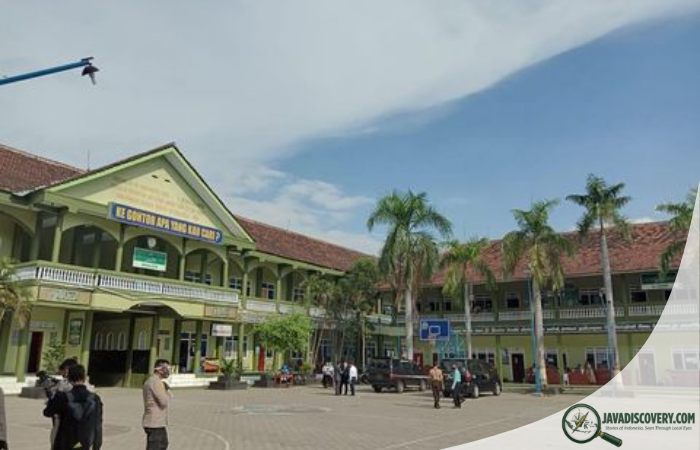
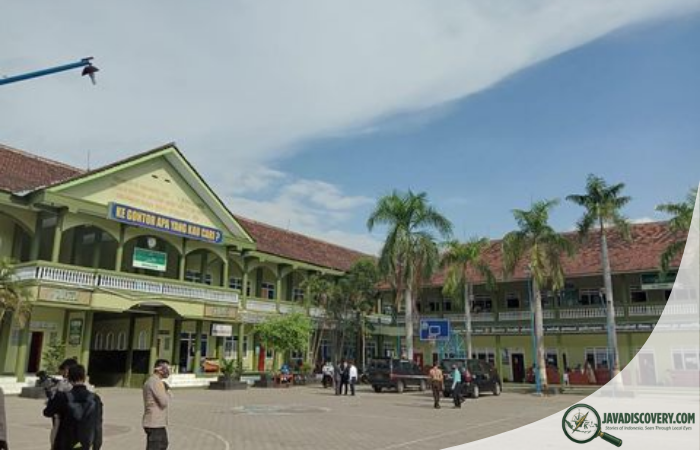
A pesantren is rarely grand in appearance. Most are practical clusters of dormitories, classrooms, a mosque, and the home of the kyai, the religious leader who anchors the institution. In rural districts near :contentReference[oaicite:1]{index=1}, where pesantren culture runs especially deep, compounds are often surrounded by rice paddies and sugarcane fields. The boundary between school and village is porous. Children’s laughter from nearby houses blends with the recitation of Quranic verses.

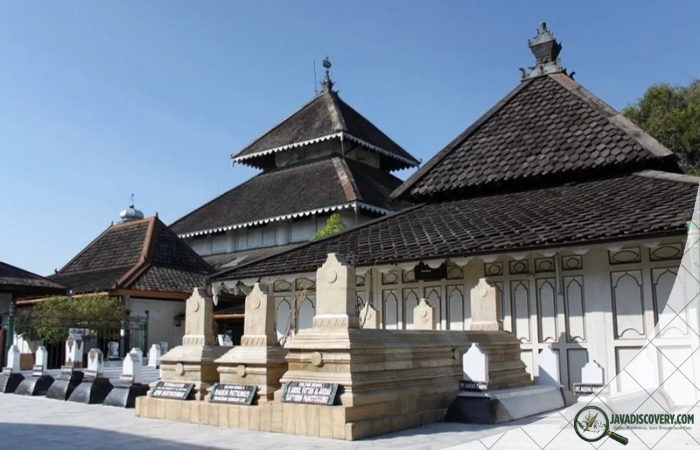
At the heart of every pesantren stands the mosque. Its tiled floor cool beneath kneeling foreheads, its fans humming steadily against the humid air. Here, five daily prayers structure time. The call to prayer ripples outward beyond the walls, reminding farmers and shopkeepers that the students inside are awake and attentive.
The Kyai and the Chain of Knowledge
The spiritual and intellectual authority of a pesantren rests with the kyai. His presence shapes the character of the institution. In East Java, where influential clerics have shaped national discourse, the kyai is not merely a teacher but a moral compass.
Students often speak of their kyai with quiet reverence. “He teaches with patience,” said Ahmad, a sixteen year old santri from a village near Surabaya. “When he explains a kitab, it feels like he is opening a window.”
The kitab he refers to are classical Islamic texts, many printed in yellowing paper and known as kitab kuning. Their margins are filled with handwritten notes accumulated over generations. Lessons unfold slowly. Arabic passages are read aloud, then translated into Javanese or Indonesian. Interpretation follows. The process is deliberate, anchored in a chain of scholarship that links teacher to teacher across centuries.
A Day Measured in Prayer and Study
The daily schedule begins before dawn with tahajud, voluntary night prayer, followed by the obligatory subuh prayer. Afterward, students sit cross legged in study circles known as bandongan. The kyai or senior ustaz reads from a text while students annotate carefully.
By midmorning, formal classes commence. Younger students study foundational subjects such as Arabic grammar, Quranic memorization, and basic jurisprudence. Older santri engage with advanced theology, logic, and ethics.
Meals are simple but communal. Rice, vegetables, tempeh, sometimes salted fish. Students eat from shared trays, reinforcing humility and equality. Conversation flows easily, punctuated by laughter and the clatter of spoons.
Afternoons often include extracurricular activities. Some pesantren teach martial arts rooted in local tradition. Others emphasize public speaking, preparing students to deliver sermons confidently. In certain institutions, computer labs hum quietly as santri learn digital literacy alongside religious studies.
Tradition and Adaptation
East Java’s pesantren are not monolithic. Some, such as :contentReference[oaicite:2]{index=2}, founded in the nineteenth century, have grown into expansive complexes with formal schools and universities attached. Others remain small and intensely traditional, preserving methods of oral instruction that predate modern curricula.
Yet even the most conservative institutions have adapted in subtle ways. Smartphones, once prohibited entirely, are now sometimes allowed under strict supervision. Online lectures connect pesantren to global scholarship. Students debate contemporary issues, from environmental ethics to social media behavior, through the lens of classical texts.
This balance between continuity and change defines much of pesantren life. The structure may appear timeless, but conversation within its walls is dynamic.
Dormitory Bonds
In the dormitories, rows of thin mattresses line tiled floors. Personal belongings are minimal. A folded sarong. A stack of books. A small plastic bucket for washing. Privacy is rare, yet companionship abundant.
At night, after the final prayer, students whisper stories under dim lights. Homesickness surfaces quietly. Many santri enter pesantren as children, leaving families behind for years at a time. Letters and occasional visits sustain connection.
“At first, I cried every evening,” admitted Fikri, now in his third year. “But my friends became brothers.”
Shared discipline forges resilience. When one student struggles with memorization, others gather to help. Success is collective. Failure is shared.
Rituals of the Islamic Calendar
The Islamic calendar punctuates the year with distinct rhythms. During Ramadan, the pesantren transforms. Students wake earlier for sahur, the pre dawn meal. Evening prayers extend long into the night. The recitation of the entire Quran becomes communal goal.
In the month of Muharram, particularly on the night of Suro in Javanese tradition, special prayers and reflections take place. Some pesantren incorporate local customs, acknowledging the layered cultural identity of East Java.
These rituals deepen spiritual consciousness. They also reinforce belonging to a broader Muslim community that stretches far beyond the pesantren gates.
Women in the Pesantren World
Across East Java, female pesantren or dedicated sections for women have flourished. Young women pursue rigorous religious education while navigating expectations around leadership and scholarship.
In one pesantren outside Malang, rows of female students recite hadith in unison, their voices firm. Their teacher, an ustazah with decades of experience, emphasizes intellectual independence. “Knowledge is amanah,” she tells them. “It is a trust.”
Many graduates go on to become educators, community organizers, or scholars in their own right. The pesantren thus serves as both sanctuary and launching ground.
Engagement with the Wider Society
Despite their enclosed structure, pesantren are not isolated from society. Villagers often attend public lectures or seek advice from the kyai. Students participate in community service, teaching Quran recitation to local children or assisting during harvest seasons.
In times of crisis, such as natural disasters that frequently affect East Java, pesantren communities mobilize quickly. Kitchens expand to feed displaced families. Dormitories transform into temporary shelters. The ethic of service extends beyond doctrinal study.
Evening Reflections
As night descends, the compound quiets. Crickets sing beyond the walls. The final prayer of the day settles into collective silence. Some students remain awake, tracing Arabic letters under fluorescent light. Others drift into sleep, exhaustion mingled with contentment.
Life inside a pesantren in East Java is disciplined yet textured with warmth. It is a life measured not by deadlines or notifications but by prayer calls and page turns. Within its walls, generations have grappled with sacred texts, shaped moral character, and forged friendships that endure decades.
The world beyond may accelerate with relentless speed. Inside the pesantren, time moves differently. It bends around devotion, anchored in routine, yet responsive to change. In the hush before dawn, as the bell prepares to ring again, the cycle continues. Knowledge passed hand to hand. Faith practiced step by step. Community sustained in the quiet certainty of shared purpose.