The Evolution of Village Leadership Titles in Java

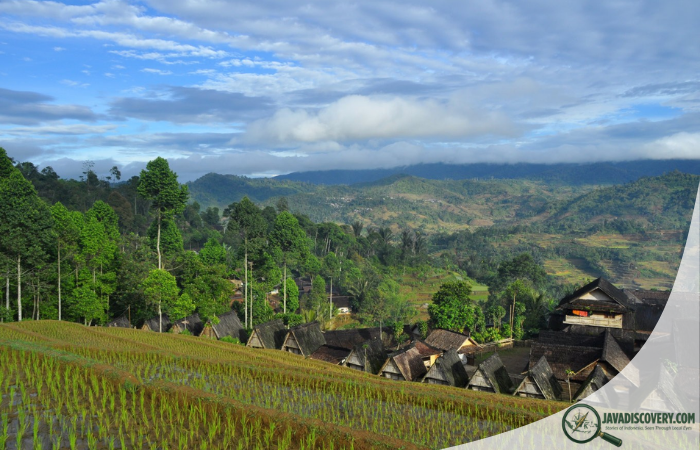
javadiscovery.com – In a modest village office with wooden walls and a faded desk, a nameplate rests quietly at the front. It bears a title that is familiar today, yet its roots stretch far into the past. Long before modern administration defined roles and responsibilities, leadership in Javanese villages was expressed through titles that carried layers of meaning, shaped by culture, authority, and time.
Across centuries, the titles used for village leaders in Java have evolved alongside changes in political systems, social structures, and external influences. These titles were never merely labels. They reflected how leadership was understood, how authority was exercised, and how communities organized themselves.
Each title tells a story of transformation.

Early Forms of Local Leadership
In early Javanese society, leadership at the village level was often informal and based on recognition rather than appointment. Individuals were acknowledged for their experience, wisdom, or influence.
Titles were minimal or fluid.
Authority emerged organically.
Leadership was situational.
Recognition defined the role.
The Emergence of Defined Titles
As political structures became more complex, more defined titles began to appear. These titles helped clarify roles within expanding systems of governance.
Responsibilities became clearer.
Hierarchy developed.
Titles signaled position.
Structure increased.
Influence of Kingdom Administration
During the period of Javanese kingdoms, village leadership became more integrated into broader administrative systems. Leaders often acted as intermediaries between local communities and royal authority.
Titles reflected this connection.
Leaders represented both village and kingdom.
Authority was shared across levels.
Governance became layered.
The Role of the Lurah
One of the most enduring titles in Javanese village leadership is that of the lurah. This role became associated with formal responsibility for managing village affairs.
The lurah coordinated administration.
He represented the village externally.
He maintained order internally.
The title carried both authority and obligation.
Variations Across Regions
Different regions of Java developed variations in leadership titles, reflecting local traditions and administrative differences.
Names differed.
Roles adapted to context.
Local identity shaped terminology.
Diversity marked the system.
Colonial Influence on Titles
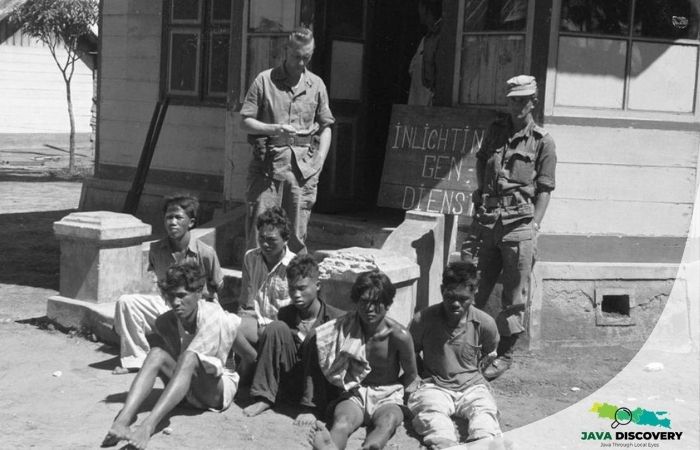
With the arrival of colonial administration, village leadership titles were standardized and incorporated into a formal bureaucratic framework.
Roles were defined by policy.
Titles became official.
Authority was regulated.
External systems reshaped local structure.
Shifts in Responsibility
As titles evolved, so did the responsibilities associated with them. Leadership moved from informal guidance to structured administration.
Record-keeping increased.
Coordination became formalized.
Accountability expanded.
Leadership required new skills.
Continuity of Cultural Expectations
Despite changes in titles and systems, cultural expectations of leadership remained consistent. Respect, fairness, and the ability to maintain harmony continued to define effective leaders.
Values persisted.
Behavior reflected tradition.
Authority required balance.
Culture shaped leadership.
Modern Usage and Legacy
Today, titles such as lurah and kepala desa are widely recognized within formal governance structures. However, their meaning is still influenced by historical layers.
Modern roles carry historical echoes.
Titles connect past and present.
Leadership remains contextual.
Continuity is visible.
Perception of Authority
The way people respond to leadership titles is shaped by both formal recognition and informal perception. Respect is not granted solely by position, but by conduct.
Titles open the role.
Behavior sustains it.
Trust reinforces authority.
Leadership is lived.
Adaptation to Contemporary Governance
As governance systems continue to evolve, village leadership titles adapt to new administrative and social realities.
Responsibilities expand.
Structures adjust.
Expectations shift.
Titles remain relevant through change.
A Name That Carries History
As the nameplate rests quietly on the desk, it represents more than a position. It carries the weight of generations of leadership, shaped by shifting systems and enduring values.
In Java, the evolution of village leadership titles reflects a broader story of adaptation and continuity. Each change marks a response to new circumstances, while each persistence reveals the strength of cultural foundations.
Through these titles, the past remains present, guiding how leadership is understood and practiced within the rhythm of village life.