The Philosophy of Keris Craftsmanship in Java

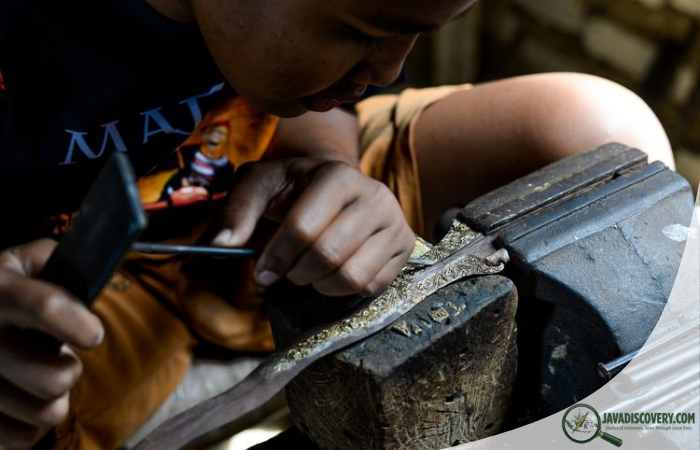
javadiscovery.com – Before dawn in a small Javanese workshop, the air is thick with the scent of charcoal and warm iron. A single oil lamp flickers against wooden beams darkened by decades of smoke. In the corner, a man sits cross legged before a low furnace. His hands, calloused and steady, move with deliberate patience. He is not simply shaping metal. He is shaping meaning.
The keris, a distinctive asymmetrical dagger of the Malay world, is among the most revered cultural objects in Java. Its rippling blade, intricate pamor patterns, and carved wooden hilt carry layers of symbolism that stretch far beyond weaponry. In Javanese understanding, a keris is not merely forged. It is brought into existence through a union of fire, earth, spirit, and intention.
The Keris as Cultural Axis
Across Java, the keris occupies a space between the tangible and the unseen. It appears in royal courts, village ceremonies, and family heirlooms wrapped carefully in white cloth. In cities such as :contentReference[oaicite:0]{index=0} and :contentReference[oaicite:1]{index=1}, palace collections safeguard ancient blades once carried by nobles. Yet in rural villages, modest households preserve keris inherited from ancestors, treated with reverence and quiet pride.

In 2005, the keris was recognized by :contentReference[oaicite:2]{index=2} as a Masterpiece of the Oral and Intangible Heritage of Humanity. The recognition affirmed what Javanese communities had long understood. The keris is not simply a blade. It is philosophy forged in steel.
The Empu and the Sacred Responsibility
At the heart of keris craftsmanship stands the empu, the master smith. The title carries weight beyond technical skill. An empu is expected to possess spiritual discipline, ethical integrity, and deep knowledge of cosmology. In traditional belief, forging a keris demands inner balance. The state of the maker’s heart influences the spirit of the blade.
Inside the workshop, or besalen, silence often accompanies the rhythmic strike of hammer on metal. Some empu fast before beginning a significant piece. Others recite prayers quietly as they work. The furnace becomes a symbolic womb, where raw materials are purified and transformed.
“A keris must be born clean,” said Pak Wiryo, an empu from a village near Surakarta. “If the maker is restless, the blade will carry that restlessness.”
Fire, Iron, and the Marriage of Elements
The physical process of crafting a keris reveals its philosophical depth. Layers of iron and nickel are repeatedly folded and hammered together. Each strike binds materials into unity. Sparks leap into the dim air like fleeting stars.
This layering creates the pamor, the flowing patterns visible along the blade’s surface. No two pamor designs are identical. Some resemble waves, others rice grains, roots, or drifting clouds. The patterns are not decorative accidents. They symbolize harmony between opposing forces, a concept central to Javanese worldview.
Iron represents strength and resilience. Nickel, often sourced historically from meteorite fragments, carries cosmic association. The fusion of earthly and celestial materials embodies the belief that human life stands between the material world and the spiritual realm.
The Luk and the Path of Life
Many keris blades feature a wavy form known as luk. The number of curves is always odd, commonly three, five, seven, or nine. Each number holds symbolic meaning. Three may represent birth, life, and death. Seven suggests spiritual ascent. Nine echoes mystical traditions within Javanese Islam.
The curves themselves mirror the unpredictability of existence. Life does not unfold in a straight line. It bends, rises, and dips. The luk reminds its bearer to accept change with composure.
Straight bladed keris also exist, symbolizing firmness and directness of character. Whether curved or straight, the blade reflects the values its owner hopes to embody.
Ritual and Intention
Commissioning a keris traditionally involves consultation. The empu may ask about the client’s aspirations, temperament, and even birth date. The goal is alignment. A blade intended for leadership differs in symbolic composition from one meant for protection or spiritual growth.
During certain months in the Javanese calendar, particularly in the month of Suro, rituals of cleansing known as jamasan take place. Families carefully wash heirloom keris with scented water and lime. The ritual is both maintenance and meditation, reaffirming connection between generations.
In royal contexts such as the palace of :contentReference[oaicite:3]{index=3}, ceremonial keris are paraded during sacred events. Their presence signifies continuity of authority rooted in moral responsibility.
The Warangka and the Language of Wood
A keris is incomplete without its sheath, or warangka. Carved from fine woods such as trembalo or teak, the warangka balances the blade’s intensity with organic warmth. Its form differs between regions. The gayaman style common in Surakarta appears smooth and rounded, while the ladrang style associated with Yogyakarta displays more elaborate contours.
The hilt, often carved into stylized human or mythic forms, adds another layer of symbolism. Some resemble protective guardians. Others suggest humility through bowed posture. The tactile quality of polished wood contrasts with the cool hardness of steel, reinforcing harmony between softness and strength.
Keris in Court and Community
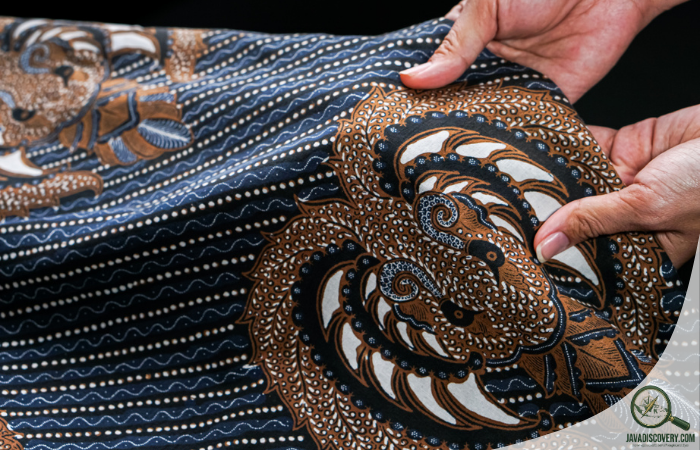
Historically, keris served as weapons in close combat. Over centuries, however, their role shifted toward ceremonial and symbolic functions. In Javanese courts, courtiers wore keris tucked into the back of their batik wrapped attire. The blade’s orientation conveyed subtle messages about rank and circumstance.
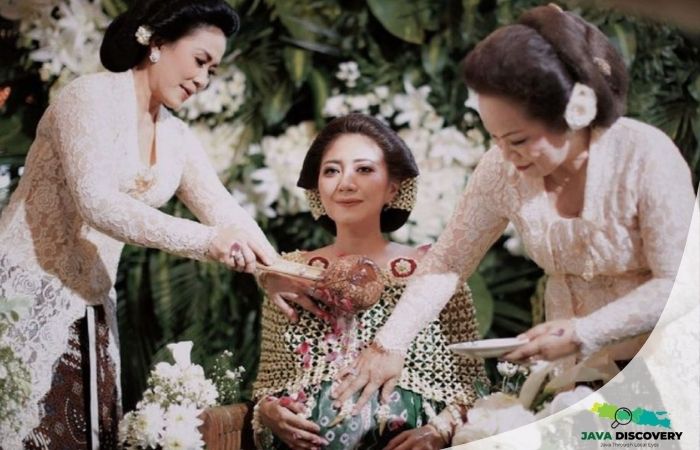
During weddings, a groom may wear a family keris as a sign of readiness to lead a household. In this context, the blade represents responsibility rather than aggression. It embodies self control, wisdom, and courage guided by ethics.
Modern Challenges and Continuity
Today, keris craftsmanship faces challenges. Industrial manufacturing offers cheaper replicas lacking spiritual depth. Younger generations often migrate to cities, distancing themselves from traditional workshops. Yet in pockets of Central and East Java, dedicated empu continue their work.
Workshops in villages outside Surakarta still echo with hammer strikes. Apprentices learn not only technique but patience. They observe how their teachers treat each blade with respect, pausing between steps to assess balance and energy.
Collectors and cultural institutions now document and preserve old keris, ensuring knowledge transmission. Exhibitions contextualize the blade within broader Southeast Asian history, linking Java to regions across the archipelago and beyond.
A Blade That Reflects the Self
Ultimately, the philosophy of keris craftsmanship rests on introspection. A keris is believed to mirror its owner’s character. It is less about possessing power than cultivating inner alignment. The blade’s sharp edge symbolizes discernment, the ability to distinguish right from wrong. Its layered pamor evokes unity within diversity.
In a quiet workshop as embers fade to red, an empu lifts a newly finished blade into the light. He studies the patterns that have emerged from countless folds. They appear like rivers seen from above, meandering yet purposeful.
The keris lies still, but within it resides a narrative of earth and sky, discipline and devotion. It carries centuries of philosophy shaped by fire. In Java, craftsmanship is never merely technical. It is a dialogue between human intention and the unseen forces believed to guide existence.
The keris endures not because it is sharp, but because it is meaningful. Its curves hold memory. Its steel holds prayer. And in the steady hands of the empu, philosophy continues to take form in metal.