Life in a Javanese Village What the World Often Misses

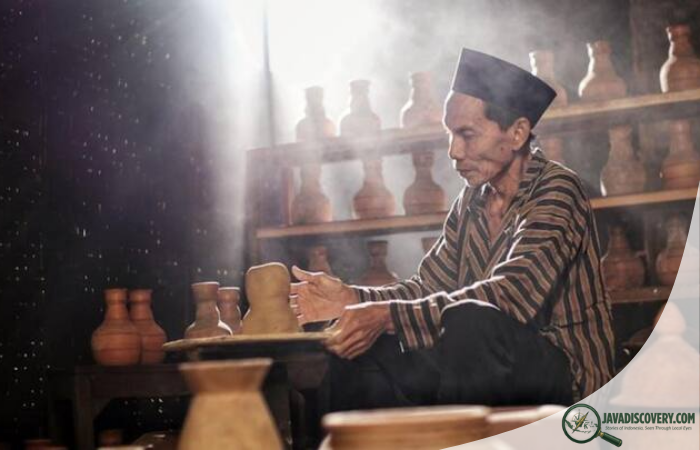
javadiscovery.com – At dawn, before the sun fully clears the coconut palms, the village is already awake. Roosters call from bamboo coops, their cries overlapping in uneven rhythm. Smoke rises in thin threads from kitchen hearths, carrying the scent of firewood and boiling rice. Bare feet brush the cool earth as women sweep their yards with short twig brooms, each movement practiced, unhurried. This is not a scene staged for nostalgia. It is daily life in a Javanese village, unfolding quietly, almost invisibly, beyond the attention of the wider world.
The Rhythm That Cannot Be Rushed
Time in a Javanese village does not announce itself with clocks. It moves according to light, sound, and habit. Morning begins when the air is still cool and the leaves hold traces of dew. Work starts early, pauses at midday when the sun presses down, and resumes as shadows lengthen.
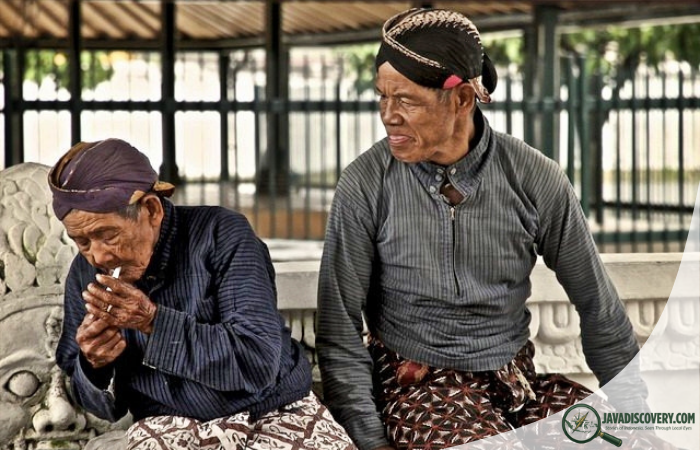
There is no sense of urgency in these routines. Farmers walk to their fields with hoes balanced across their shoulders. Elderly men sit on wooden benches near the road, greeting passersby with soft nods and brief smiles. Children in white and red school uniforms weave past them, their laughter echoing between houses built of brick, wood, and clay tile.

To an outsider, this pace can seem slow. Yet nothing here is idle. Every moment has its place, every pause its purpose.
Homes That Breathe With Their Surroundings
Village houses are not sealed boxes. Doors remain open during the day. Windows are wide, often without glass. Sounds pass freely through walls, as do voices, cooking smells, and the hum of insects.
A house is rarely just a private space. Neighbors step inside without ceremony. A cup of tea appears almost instantly, poured from a dented kettle into thick glass cups. Conversation does not begin with questions, but with shared silence, followed by small observations about weather, crops, or family.
The layout of a village reflects this openness. Paths connect homes like threads in a woven mat. No house stands truly alone.
Community as a Daily Practice
In many parts of the world, community is something spoken about, planned, or scheduled. In a Javanese village, it is practiced daily, often without words.
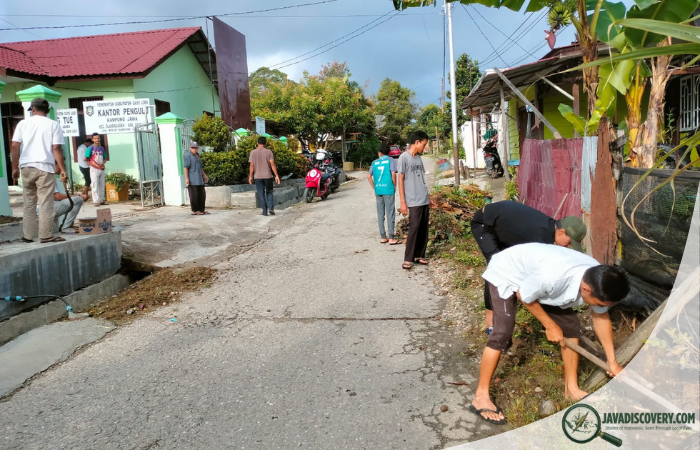
When a house is being repaired, men arrive with tools before they are asked. Women bring food, setting plates on woven mats beneath a tree. Children run errands, carrying nails, water, or messages. Labor is shared, not recorded.
This spirit of mutual help, known locally as gotong royong, is not an abstract ideal. It is an expectation. To live in a village is to belong to its needs.
Unspoken Rules of Belonging
There are rules here, but few are written. One learns them by watching. Speak softly. Do not boast. Greet elders first. Share what you have, even if it is little.
Conflict is handled indirectly. Harsh words are avoided. Silence, when it comes, carries meaning. Harmony matters more than winning an argument.
Work That Shapes Identity
For many villagers, work is inseparable from identity. A farmer is not simply someone who farms. He is tied to his land, its history, and its cycles. The same fields have been planted by fathers and grandfathers. Boundaries are remembered through stories rather than maps.
Women often manage multiple roles with quiet authority. They cook, care for children, tend small gardens, manage household finances, and participate in community gatherings. Their labor is constant, woven into every hour.
Even those who leave the village for work in cities often return. The village remains the anchor.
Food as Memory and Connection
Meals in a Javanese village are simple, but never careless. Rice is central, steamed until soft, served with vegetables, tempeh, tofu, and small portions of fish or chicken. Flavors are gentle, balanced, familiar.
Food is rarely eaten alone. Plates are shared. Children eat beside grandparents. Guests are urged to take more, even when supplies are modest.
Recipes are inherited through observation. Measurements are felt, not written. Taste is adjusted through memory.
The Kitchen as a Social Space
The kitchen is often the heart of the home. It is where stories are exchanged, advice given, and decisions quietly made. Smoke blackens the walls. Pots bear the marks of decades.
Here, life lessons are passed down as naturally as cooking techniques.
Spirituality Without Spectacle
Religion in a Javanese village is deeply woven into daily life, yet it is rarely dramatic. Prayer calls echo across fields, blending with the sound of wind and insects. Offerings appear at doorways, small and humble.
Belief is practiced through routine rather than display. Respect for ancestors, nature, and unseen forces remains strong, even when not openly discussed.
Spiritual balance is understood as part of living well.
Children Growing Into the Village
Children are raised collectively. A child wandering into a neighbor’s yard is watched over without comment. Discipline comes gently, often through example rather than punishment.
Play happens outdoors. Games involve movement, imagination, and cooperation. The village itself becomes a classroom.
Through daily exposure, children absorb values that are difficult to teach directly.
What the World Often Misses
To many outsiders, villages are seen as places left behind by progress. They are described as poor, outdated, or lacking opportunity. Such views miss the depth of what is present.
What exists here is a form of wealth not easily measured. Time is shared. Loneliness is rare. Identity is rooted.
The village does not resist change, but it absorbs it carefully. New ideas are tested against old values. Not everything is accepted, and that selectiveness is intentional.
A Life That Persists Quietly
As evening falls, the village softens. Lights flicker on behind windows. Crickets begin their chorus. Families gather on front porches, talking softly as night settles in.
This life does not seek attention. It continues whether or not it is noticed.
To understand a Javanese village is to learn to look beyond speed, noise, and spectacle. It requires patience, listening, and the willingness to value what moves gently.
In that gentleness lies a way of life the world too often overlooks.