Ludruk Theatre and Working Class Expression in East Java

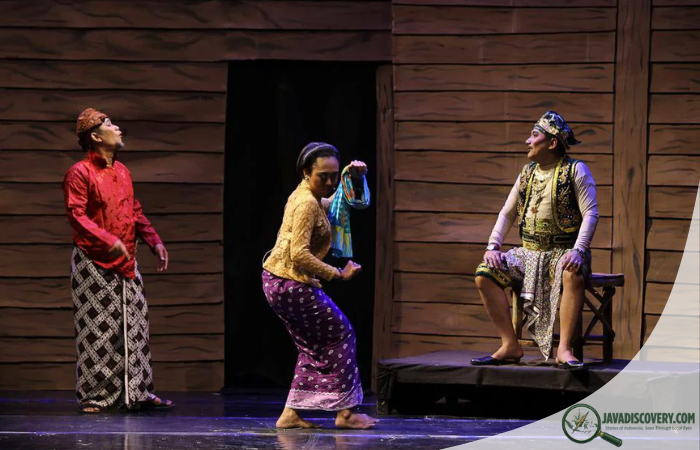
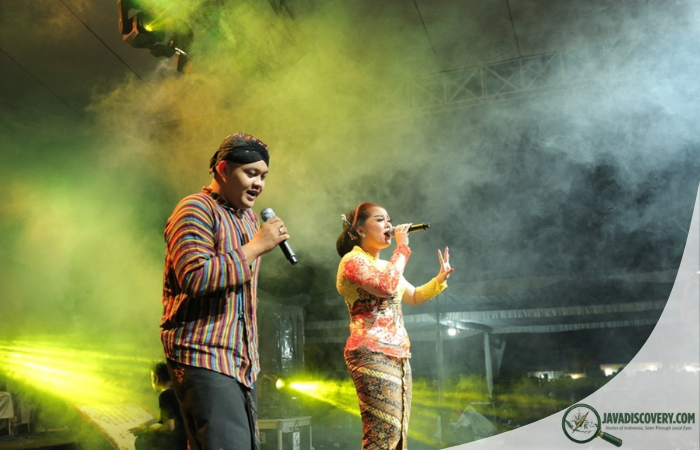
javadiscovery.com – The stage is simple. A wooden platform under bright hanging lamps. Cigarette smoke drifts through humid night air in a kampung neighborhood of Surabaya. The audience sits shoulder to shoulder on plastic chairs and woven mats. Laughter erupts before the first line is even spoken. A man dressed as a glamorous woman sways onto the stage, hips exaggerated, eyes flashing mischief. The gamelan strikes a bold, playful rhythm. A joke lands sharply, teasing local officials, rising food prices, and the daily exhaustion of factory work. The crowd roars. This is Ludruk, East Java’s fiercely democratic theatre, born not in palaces but in the streets.
Roots in the Streets of East Java
Ludruk emerged in the early twentieth century in the working class neighborhoods of East Java. Unlike courtly performances such as wayang wong that drew from epic Hindu narratives, Ludruk told stories grounded in contemporary life. Its performers were laborers, rickshaw drivers, dockworkers. Its stages were marketplaces and open fields.
In industrializing cities like Surabaya and Malang, rapid economic change created new social tensions. Colonial factories and ports attracted rural migrants seeking wages. Urban life brought opportunity but also hardship. Ludruk became a mirror reflecting these realities.

Early troupes traveled between towns, performing for modest fees. Stories centered on petty criminals, rebellious peasants, clever servants, and corrupt officials. The humor was sharp and immediate. The language was everyday Javanese, not refined court dialect. Audiences recognized themselves in the characters.
A Theatre Without Kings
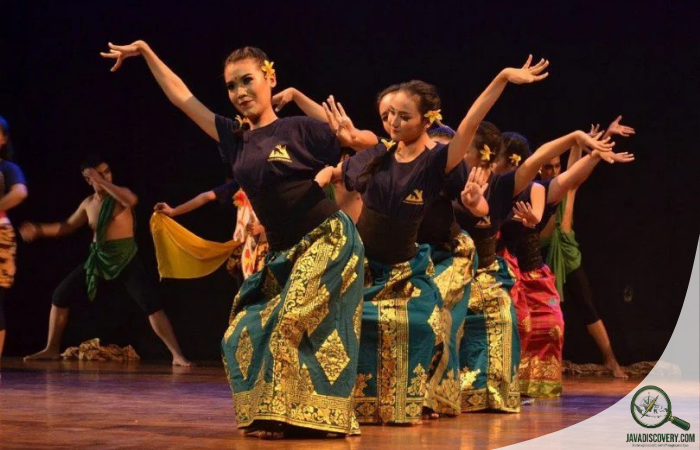
What distinguishes Ludruk is its unapologetic perspective from below. The heroes are not princes. They are ordinary people navigating poverty, injustice, and social change. Performances often open with a comedic dance known as the remo, traditionally performed by male actors, even when portraying female characters. Gender play has long been part of Ludruk’s identity, challenging rigid norms while entertaining crowds.
The structure typically follows a sequence. After the energetic opening dance comes the parikan, a humorous poetic exchange filled with wordplay. Then the main drama unfolds, weaving satire with melodrama. Improvisation is central. Actors respond to current events, inserting fresh jokes about fuel prices or local scandals. No two performances are identical.
The absence of royal themes marked a cultural shift. In a society historically shaped by hierarchical court culture, Ludruk offered a stage where common voices took center position.
Language of the Dockyards
The dialect of Ludruk is deeply rooted in the vernacular of East Java. It embraces bluntness and direct humor. In the port districts of Surabaya, dockworkers developed a reputation for outspoken speech. Ludruk absorbed this linguistic energy. Sarcasm became art. Mockery became social commentary.
Audience participation is common. Spectators shout responses, laugh loudly, even challenge performers. The barrier between stage and crowd dissolves. The theatre breathes with collective emotion.
Scholars often describe Ludruk as a form of social realism wrapped in comedy. Its narratives tackle unemployment, migration, domestic conflict, and political corruption. Yet the tone remains lively. Laughter acts as resilience.
Colonial Shadows and Political Undertones
During the late colonial period, Ludruk sometimes carried subtle resistance. Satirical references to colonial officials or exploitative plantation owners resonated with audiences who understood the coded language. The stage became a safe space for critique disguised as humor.
After Indonesian independence, Ludruk continued to evolve. In the 1950s and 1960s, some troupes aligned with political movements, using theatre to express social ideals. Performances could attract thousands, especially in East Java’s urban centers. The art form flourished in working class districts where entertainment options were limited.
Yet political shifts also brought restrictions. During periods of heightened state control, certain themes were discouraged. Troupes adapted, focusing more on domestic comedy while preserving subtle satire.
Icons of the Stage
Among Ludruk’s legendary figures was Cak Durasim, a performer remembered for his biting wit. His songs reportedly criticized colonial taxation policies, earning both admiration and scrutiny. Stories about him circulate in theatre circles, blending fact and folklore.
In later decades, performers such as Kartolo and Basman kept the tradition alive, bringing Ludruk to television screens while maintaining its streetwise humor. Their faces became familiar across East Java, bridging generational divides.
The Working Class Audience
Ludruk’s power lies in its relationship with its audience. Factory workers finishing late shifts gather to unwind. Street vendors attend after closing stalls. Drivers park their vehicles nearby and sit cross legged in front rows. The theatre speaks their language and reflects their struggles.
In industrial neighborhoods of Gresik and Sidoarjo, performances still appear during community celebrations. Wedding receptions sometimes feature shortened Ludruk segments, blending tradition with festivity.
The humor is earthy. Jokes may revolve around cramped boarding houses, demanding supervisors, or the price of rice in local markets. Beneath the laughter lies shared understanding.
Music, Movement, and Improvisation
A small gamelan ensemble accompanies the performance. The metallic resonance of bonang and saron fills the night air. Rhythms shift quickly from dramatic tension to playful interlude. Costumes are colorful yet practical, reflecting everyday fashion exaggerated for stage effect.
Improvisation remains the heart of Ludruk. Actors often begin with a loose script but adapt dialogue based on audience reaction. If a joke falls flat, it is replaced. If a topical issue sparks excitement, it expands into extended banter.
This fluidity mirrors the unpredictability of working class life. Nothing is fixed. Everything responds to circumstance.
Challenges in the Modern Era
Television, cinema, and digital entertainment have reduced the frequency of traditional live performances. Younger audiences in urban East Java increasingly consume global media. Ludruk troupes face shrinking funding and aging performers.
Yet efforts to preserve the art continue. Cultural centers in Surabaya organize festivals. Universities document scripts and record oral histories. Community groups encourage youth participation, teaching them comedic timing and stage presence.
Some troupes experiment with contemporary themes such as online scams, migrant labor abroad, and environmental concerns. By integrating current realities, Ludruk maintains relevance.
A Living Archive of Urban Emotion
To watch Ludruk is to witness a living archive of East Javanese urban life. It captures slang, humor, anxieties, and aspirations. While official histories record political events, Ludruk preserves emotional truths.
When a character confronts an unjust employer, the applause carries personal memory. When a joke exposes bureaucratic absurdity, laughter becomes collective relief. Theatre transforms private frustration into public catharsis.
The setting may be modest. The lighting simple. Yet the atmosphere crackles with vitality. Children sit wide eyed beside grandparents who recall performances from decades past. Vendors pass through rows selling peanuts and iced drinks. The performance unfolds beneath open skies, framed by modest houses and flickering streetlights.
Endurance Through Adaptation
Ludruk has survived colonial rule, revolution, political transition, and rapid modernization. Its endurance lies in adaptability. It listens to its audience. It speaks in their voice. It thrives not on grandeur but on connection.
As night deepens in a Surabaya neighborhood, the final act concludes with a moral reflection delivered through humor. The crowd disperses slowly, still smiling. Actors wipe sweat from their faces backstage. The wooden stage will be dismantled by morning, leaving little physical trace.
Yet something intangible lingers. A shared recognition. A reminder that art does not belong solely to elites or institutions. In East Java, Ludruk continues to affirm that working class stories deserve spotlight and laughter alike.