Marriage Expectations vs Modern Reality

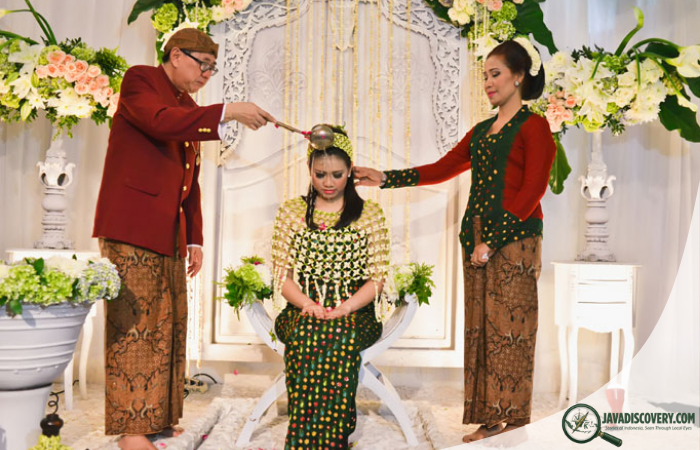
javadiscovery.com — In the velvet twilight of a suburban “perumahan” (housing estate) in West Java, the tension between marriage expectations vs modern reality begins with the quiet clash of two distinct calendars. One is the Primbon, the ancestral Javanese almanac used to calculate the “wetón” (birth-date compatibility) to ensure a prosperous union. The other is a Google Calendar, crowded with corporate deadlines and urban commutes. Marriage expectations vs modern reality is the defining struggle for the millennial and Gen Z “wong Jowo” (Javanese people), who find themselves caught between the “sakral” (sacred) duty to provide grandchildren and the “nyata” (reality) of skyrocketing property prices and career ambitions. In this cultural transition, marriage is no longer just a “nasib” (fate) to be accepted, but a “pilihan” (choice) to be negotiated. Marriage expectations vs modern reality is a journey into the changing heart of the Javanese family, where the traditional “swargo nunut, neroko katut” (following a husband to heaven or hell) is being replaced by a more egalitarian, yet increasingly complex, partnership.
The Weight of “Bobot, Bibit, Bebet”
For centuries, the criteria for a Javanese union were summed up in the triad of “Bobot” (quality/wealth), “Bibit” (lineage), and “Bebet” (social standing). In the traditional framework of marriage expectations vs modern reality, a wedding was not a union of two individuals, but a merger of two “trah” (clans). The parents were the primary architects, seeking a match that would ensure “rukun” (harmony) and social elevation. The expectation was clear: marry young, stay local, and maintain the “silsilah” (genealogy).
Today, the modern reality has shifted these priorities toward “chemistry” and “financial stability.” Young Javanese professionals now prioritize “Bobot” in terms of educational attainment and career trajectory over ancestral titles. However, the pressure of “Bibit” remains a lingering ghost. Even the most cosmopolitan “anak kota” (city child) often finds themselves sitting through a tense family dinner where an auntie asks, “Kapan rabi?” (When are you marrying?) and scrutinizes the partner’s “asal-usul” (origins). Marriage expectations vs modern reality is the art of honoring the elders’ desire for tradition while demanding the individual freedom to choose a partner based on love rather than lineage.

The Digital “Penghulu” and the Dating App Era
In the traditional village setting, the “Mak Comblang” (matchmaker) was the bridge between families. In the current landscape of marriage expectations vs modern reality, that bridge is often a smartphone app. From Tinder to specialized “hijrah” dating platforms, the Javanese youth are navigating a vast digital marketplace of potential partners. This creates a paradox: while they have more “pilihan” (choices) than their ancestors, they also face higher “ekspektasi” (expectations) for a “perfect” match.
This digital reality often clashes with the traditional “ta’aruf” or formal introduction processes still favored by many religious families. Marriage expectations vs modern reality forces young couples to lead a “double life”—chatting privately for months before staging a formal, supervised meeting to satisfy the “adat” (custom). The “reality” is a fast-paced, individualistic search for a soulmate, while the “expectation” remains a slow, communal vetting process. This friction often leads to “galau” (confusion/anxiety) as the youth try to find a partner who satisfies both their Instagram aesthetic and their grandmother’s “weton” calculations.
“My mother still believes that if our birth dates don’t match, the house will be ‘panas’ (unlucky). I try to tell her that as long as we both have stable jobs and share the chores, the house will be just fine.” — Dian, 28, a graphic designer in Semarang.
The “Double Income” Household and Shifting Roles
Perhaps the most significant fracture in marriage expectations vs modern reality is the role of the wife. Traditional Javanese philosophy often placed the woman in the role of “macak, masak, manak” (grooming, cooking, and childbearing). The “expectation” was that the husband was the “imam” (leader) and sole breadwinner. However, the modern “biaya hidup” (cost of living) in cities like Jakarta or Surabaya has made the single-income household a luxury of the past.
The modern reality is the “double income” partnership. Javanese women are more educated and career-driven than ever before. This shift is redefining the “power balance” within the home. Marriage expectations vs modern reality shows a transition toward “partnership” where domestic chores and financial responsibilities are shared. Yet, the “expectation” of the “working mother” to still perform 100% of the domestic labor—the “double burden”—remains a major source of “konflik” (conflict). The negotiation of who washes the dishes and who picks up the kids is the new “medan perang” (battlefield) of the modern Javanese marriage.
| Traditional Expectation | Modern Reality |
|---|---|
| Arranged / Family-vetted introduction | Dating apps / Self-selected partners |
| Weton (Calendar) Compatibility | Personal Chemistry / Financial Stability |
| Single-income (Husband as provider) | Double-income (Shared financial burden) |
| Early marriage & multiple children | Delayed marriage & “Childfree” or late-start families |
The Wedding Spectacle: Adat vs Budget
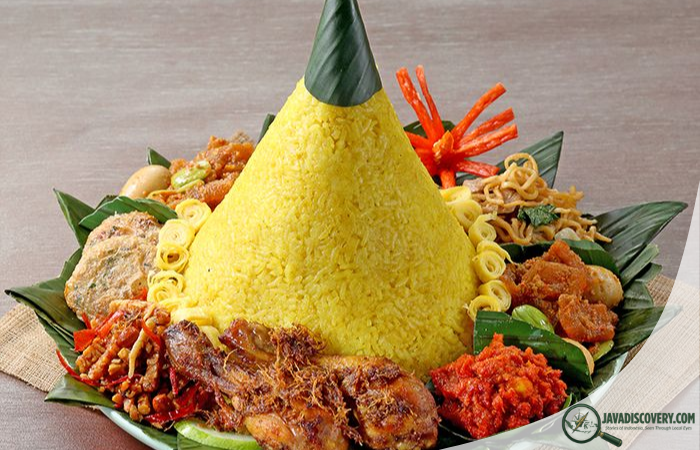
Marriage expectations vs modern reality is most visible in the “hajatan” (wedding feast). In Javanese culture, a wedding is a display of social standing. The expectation is an “open house” with a thousand guests, multiple “kebaya” changes, and expensive catering to maintain “gengsi” (prestige). For many families, the wedding is the most important “investasi” (investment) of a lifetime.
However, the modern reality for many young couples is “tabungan terbatas” (limited savings). They are increasingly questioning the “mubazir” (wastefulness) of a one-day spectacle that costs as much as a house down-payment. We are seeing a rise in “pernikahan sederhana” (simple weddings) or “nikah di KUA” (legal-only weddings). Marriage expectations vs modern reality creates a “perang dingin” (cold war) between parents who want to invite the whole village and the couple who wants a small, intimate gathering. This clash highlights the tension between the “communal” identity of old Java and the “individualistic” financial goals of the new generation.
The Rise of “Childfree” and Delayed Parenting
In traditional Java, the purpose of marriage was “keturunan” (offspring). To be “mandul” (infertile) or to choose not to have children was seen as a tragedy or a failure of “kodrat” (nature). In the current debate of marriage expectations vs modern reality, the “childfree” movement and delayed parenting are becoming significant, albeit controversial, topics. Modern Javanese couples are weighing the “beban ekonomi” (economic burden) and the “kesehatan mental” (mental health) implications of raising a child in a competitive urban environment.
This is where marriage expectations vs modern reality becomes most “panas” (heated). For the older generation, a house without the “tangisan bayi” (crying of a baby) is not a home. For the younger generation, a child is a “tanggung jawab” (responsibility) that requires extreme preparation. This shift reflects a move away from the “banyak anak, banyak rejeki” (many children, much fortune) mindset toward a more “kualitas” (quality) focused approach to family life. The modern Javanese marriage is increasingly defined by the search for “keseimbangan” (balance) rather than just the fulfillment of a biological and social mandate.
Conclusion: The New “Langgeng” (Longevity)
Marriage expectations vs modern reality is not the story of a culture falling apart, but of a culture “rebranding” itself for survival. The “jiwa” (soul) of the Javanese marriage—the pursuit of “tentrem” (inner peace) and “rukun” (harmony)—remains the same. What has changed are the “alat” (tools) and the “peta” (map) used to get there. Modern Javanese couples are not rejecting their heritage; they are “menyaring” (filtering) it to find what works in a world of high-speed internet and globalized economies.
As the “pengantin” (bride and groom) sit on their “pelaminan” (wedding throne), surrounded by the scent of jasmine and the sound of a “gamelan” track played over a PA system, they are balancing two worlds. They are honoring the “leluhur” (ancestors) while planning a life that the ancestors could never have imagined. Marriage expectations vs modern reality is a testament to the Javanese ability to “manut” (adapt) without losing their “identitas.” In the heart of Java, the journey of love and commitment is an eternal dance between the “primbon” and the “passion,” ensuring that the fire of the “keluarga” (family) continues to burn, however different its shape may become.