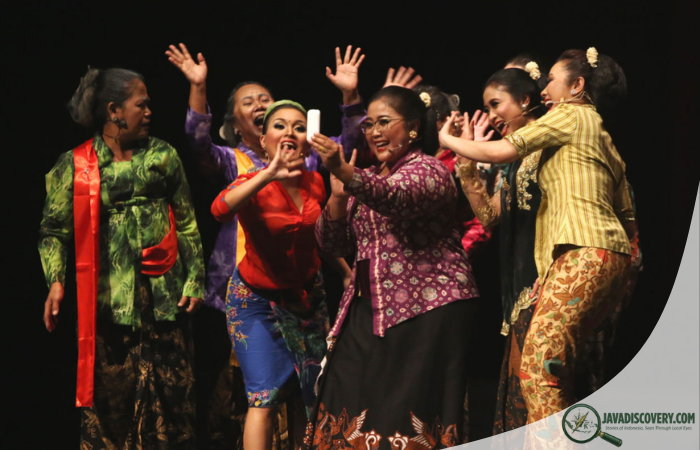
Different Meanings of Hospitality Across Regions in Indonesia

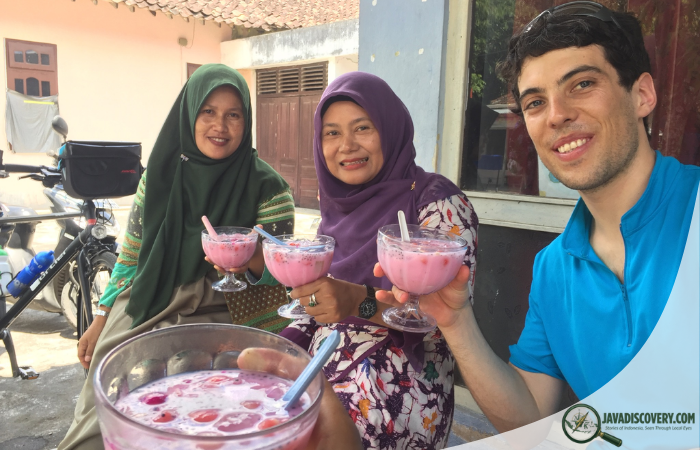
javadiscovery.com — In the shade of a wide-roofed Joglo in Central Java, a guest is presented with a glass of tea that remains untouched for the first twenty minutes of conversation, while in a stilt house in the highlands of South Sulawesi, the same guest is immediately overwhelmed by a mountain of sticky rice and ceremonial coffee. Different meanings of hospitality across regions begin with these varying rhythms of welcome, where the act of receiving a stranger is a sophisticated performance of cultural identity. In the Javanese heartland, hospitality is an exercise in unggah-ungguh (etiquette) and “halus” (refinement), where the goal is to ensure the guest feels “ayem” (tranquil) through a series of subtle, indirect gestures. However, as one moves toward the Batak lands of Sumatra or the rugged peaks of Toraja, different meanings of hospitality across regions shift toward “blakasuta” (outspokenness) and “loyalitas” (loyalty), where hospitality is measured by the sheer volume of the feast and the loudness of the laughter. To explore different meanings of hospitality across regions is to witness the diverse ways a “tamu” (guest) is transformed from an outsider into a temporary member of the “keluarga” (family). It is a journey into the “batin” (inner world) of the archipelago, where the tray of snacks is a sacred altar of communal “rukun” (harmony).
The Javanese Suguh: The Art of the Indirect Welcome
In Java, different meanings of hospitality across regions are defined by the concept of suguh—the obligation to provide. However, the Javanese suguh is never aggressive. It is a slow, methodical unfolding of “penghormatan” (respect). When a guest arrives, they are ushered into the pendopo or the front guest room, and the “suguhan” (offerings) are placed silently on the table. In different meanings of hospitality across regions, the Javanese host intentionally creates a “jarak” (distance) of respect, allowing the guest to settle their “napas” (breath) before the meal begins.
A unique nuance of different meanings of hospitality across regions in Java is the “drinking protocol.” A guest should not drink until the host explicitly says, “Monggo dipun unjuk” (Please, drink). This waiting period is a test of “sabar” (patience) and “andhap asor” (humility). To drink immediately would be seen as “kemaruk” (greedy). This indirectness ensures that the hospitality is not just about the stomach, but about the “roso” (feeling) of being in a space where everyone knows their place in the social “hierarki” (hierarchy).

Batak and Toraja: Hospitality as a Force of Nature
Moving away from the quietude of Java, different meanings of hospitality across regions in North Sumatra or Sulawesi take on a much more “terbuka” (open) and vigorous character. For the Batak people, hospitality is a declaration of “paseduluran” (brotherhood). A guest is often met with a “seruan” (shout) of welcome and an immediate inquiry into their “marga” (clan name). In different meanings of hospitality across regions, the Batak host believes that “makan bersama” (eating together) is the only way to truly “kenal” (know) a person.
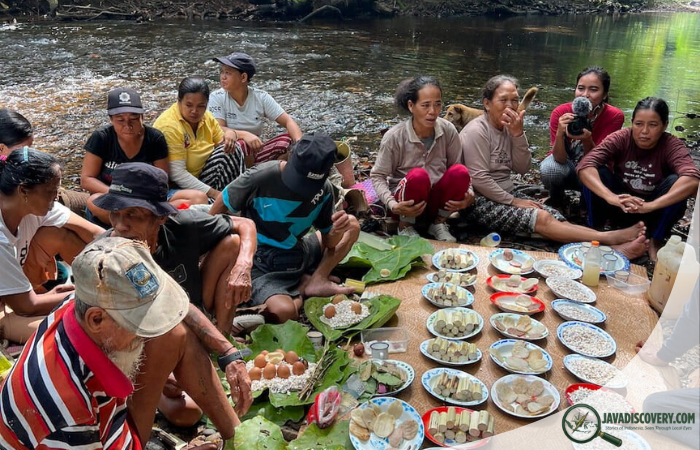
In Toraja, different meanings of hospitality across regions are inseparable from the “Rambu Tuka” (celebrations of life). A guest is not just given a snack; they are often invited to share in the “pa’piong” (meat cooked in bamboo) and home-brewed “tua'” (palm wine). Here, the different meanings of hospitality across regions are measured by “generositas” (generosity). To give sparingly is to bring “malu” (shame) upon the house. The hospitality is an “investasi” (investment) in social bonds, where the guest is expected to bring their “jiwa” (spirit) to the table, engaging in loud, honest conversation that contrasts sharply with Javanese “tepo seliro” (restraint).
“In Java, we serve you with our silence and our smiles, making sure you don’t feel ‘sungkan’ (awkward). But in Sumatra, they serve you with their hearts on their sleeves and a plate that never goes empty. Both are doors to the soul, just opened with different keys.” — Nizam Hamidan, Sociologist.
The Sacred Betel Nut: A Vanishing Universal Code
Historically, different meanings of hospitality across regions were unified by the ritual of sirih pinang (betel nut). From the tip of Aceh to the highlands of Papua, offering a betel quid was the “kunci” (key) to any house. It was a sign of “damai” (peace) and “niat baik” (good intentions). While this practice is fading in urban centers, in rural regions, it remains a vital part of different meanings of hospitality across regions.
The act of chewing together creates a “ruang sakral” (sacred space) where conflict is suspended. In different meanings of hospitality across regions, the red-stained lips of the host and guest are a “segel” (seal) of trust. It proves that despite the “perbedaan” (differences) in language or religion, the fundamental “etika” (ethics) of the archipelago remains the same: a guest is a “titipan Tuhan” (a trust from God) who must be protected and honored as long as they are under one’s roof.
| Region | Key Concept | Guest’s Experience |
|---|---|---|
| Central/East Java | Lembah Manah (Humility) | Soft-spoken, indirect, ritualized tea service. |
| North Sumatra (Batak) | Haholongan (Love/Kinship) | Direct, loud, immediate heavy meal. |
| South Sulawesi (Toraja) | Kaboro’ (Affection/Giving) | Communal feasts, palm wine, clan bonding. |
| East Nusa Tenggara | Sirih Pinang (Communion) | Ritualistic chewing, focus on “adat” protocol. |
The “Guest” as a Spiritual Mirror
Across all different meanings of hospitality across regions, there is a shared belief that the “tamu” brings “rezeki” (good fortune). To treat a guest poorly is to close the “pintu berkah” (door of blessing) on one’s own house. This “ekonomi spiritual” (spiritual economy) ensures that even the poorest household will offer their last “singkong” (cassava) to a stranger. In different meanings of hospitality across regions, the host is actually “servicing” their own relationship with the Divine.
This is why different meanings of hospitality across regions often feel “berlebihan” (excessive) to Western visitors. The “pemaksaan” (insistence) that a guest eat more or stay longer is not a violation of “privasi” (privacy), but a desperate desire to fulfill the “kewajiban moral” (moral obligation). In different meanings of hospitality across regions, the guest is a “cermin” (mirror) of the host’s “kemanusiaan” (humanity). If the guest leaves happy, the host’s “jiwa” (soul) is “tentrem” (at peace).
Urban Individualism and the “Pintu Tertutup”
The modern era is introducing a “krisis” (crisis) into different meanings of hospitality across regions. In cities like Jakarta or Surabaya, the “pintu tertutup” (closed door) policy is becoming common due to “keamanan” (security) concerns and the frantic pace of “hidup modern” (modern life). Different meanings of hospitality across regions are being “komersialisasi” (commercialized), shifting from the home to the “kafe” or “restoran.”
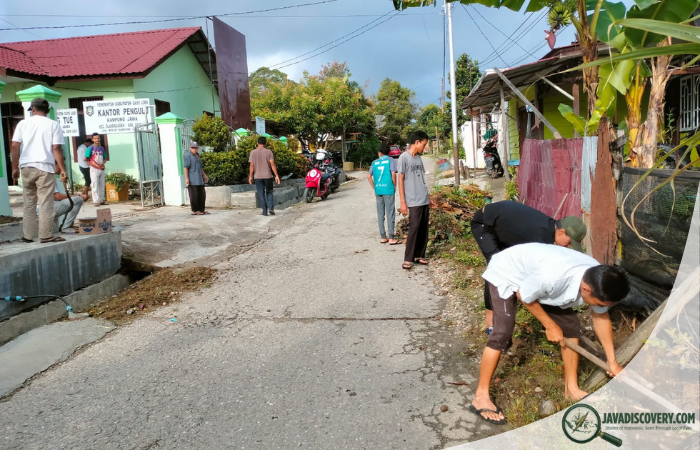
In this transition, different meanings of hospitality across regions lose their “ruh” (spirit). The “transaksional” nature of a restaurant greeting can never replace the “keikhlasan” (sincerity) of a home visit. However, many urbanites are fighting back by creating “komunitas” (communities) that revive these traditions. Different meanings of hospitality across regions are finding new life in “open house” events during “Lebaran” or “Natal,” where the “pagar” (fences) are metaphorically pulled down to let the “guyub” (togetherness) back in.
Conclusion: The Tapestry of Welcome
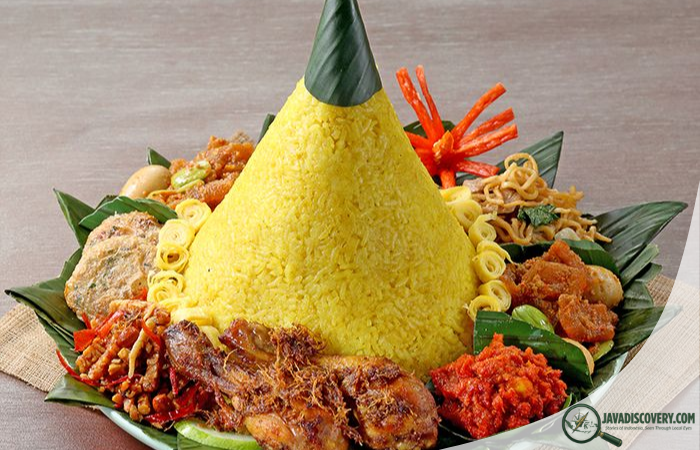
Different meanings of hospitality across regions are the “benang” (threads) that weave the diverse islands of Indonesia into a single “kain” (cloth). Whether it is through the “halus” gestures of Java or the “bersemangat” (energetic) feasts of the East, the “tujuan” (goal) remains the same: to acknowledge the dignity of the other. Different meanings of hospitality across regions prove that “toleransi” (tolerance) is not just a political concept, but a “praktik harian” (daily practice) performed over a plate of food.
As the “senja” (twilight) falls and the “lampu teras” (porch lights) are turned on across the archipelago, millions of doors are being opened. Different meanings of hospitality across regions are being enacted in a thousand different ways, yet the “doa” (prayer) is universal. In the heart of Indonesia, the guest is never a “beban” (burden); they are the “cahaya” (light) that proves the house is truly “hidup” (alive). To enter an Indonesian home is to step into a journey through time and faith, where the simplest “silakan masuk” (please come in) is the beginning of a lifelong “persahabatan” (friendship).