How Javanese Communities Endure the Long Dry Season

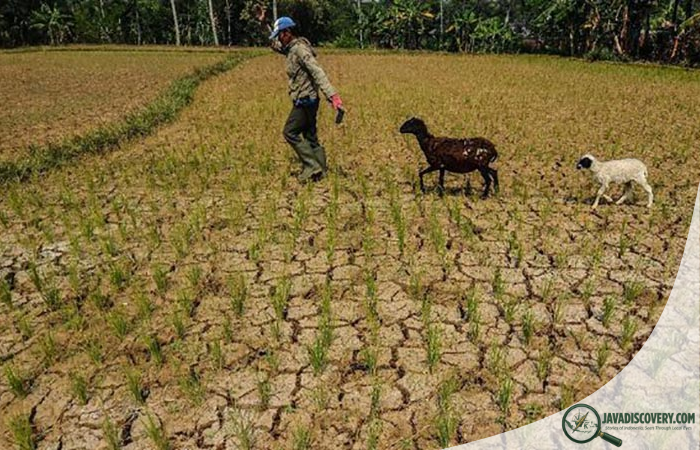
javadiscovery.com – By midyear, much of Java begins to change. The vibrant greens of rice fields soften into muted tones, the air grows thinner and warmer, and the sound of flowing water becomes less constant. In villages across the island, the dry season is not announced by a single event, but by a gradual withdrawal. Streams shrink, soil hardens, and the rhythm of daily life adjusts accordingly.
For centuries, communities in Java have developed ways to endure this period of scarcity. These strategies are not simply reactions to environmental stress. They are systems of knowledge, shaped by observation, memory, and cooperation. In the dry season, survival is not defined by endurance alone, but by adaptation.
The landscape becomes a teacher, and each year offers a reminder of how closely life is tied to water, timing, and balance.

Reading the Signs of Dryness
The arrival of the dry season is anticipated through subtle environmental cues. Farmers observe changes in wind direction, cloud patterns, and the behavior of plants.
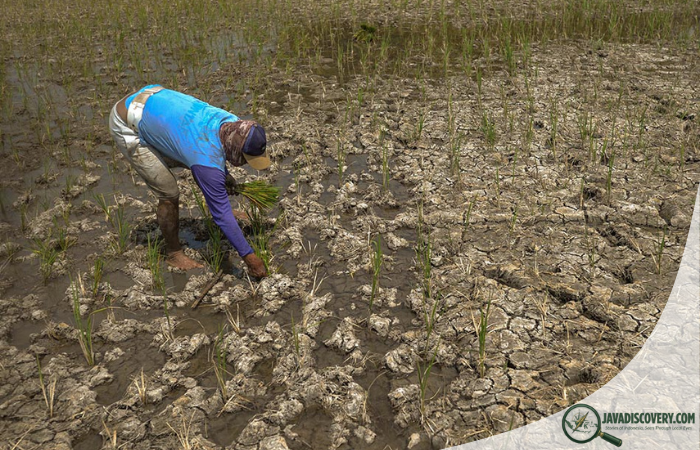
Leaves may begin to curl, grass loses its softness, and the ground develops fine cracks. These signs indicate that moisture is leaving the soil.
Such observations allow communities to prepare in advance, adjusting their activities before conditions become severe.
Water as the Central Resource
Water management is at the core of dry season survival. In many villages, irrigation systems are carefully maintained to ensure that limited water is distributed efficiently.
Channels direct water from rivers or springs into fields, and their flow is regulated according to need.
Access to water is often shared, requiring coordination among farmers. Schedules may be established to determine when each plot receives irrigation.
This collective approach ensures that resources are used sustainably.
Storage and Conservation
In addition to irrigation, water is stored for later use. Wells, reservoirs, and natural ponds become critical sources during periods of low rainfall.
Households may also collect and conserve water for domestic needs, using it carefully to avoid waste.
These practices reflect an awareness that water availability is temporary and must be managed over time.
Crop Adjustment and Flexibility
During the dry season, not all crops can be cultivated. Farmers adjust their planting choices based on water availability and soil conditions.
Drought-resistant crops may replace water-intensive ones. Some fields are left fallow, allowing the soil to recover.
This flexibility reduces risk, ensuring that resources are not overextended.
Crop selection becomes a strategic decision, balancing immediate needs with long-term sustainability.
Soil Management Techniques
Maintaining soil moisture is another key strategy. Farmers use techniques such as mulching, which involves covering the soil with organic material to reduce evaporation.
Terracing and contour planting help retain water and prevent erosion, especially in hilly areas.
These methods enhance the soil’s ability to support crops even under dry conditions.
Livelihood Diversification
When agricultural activity slows, communities often turn to alternative sources of income. Small-scale trade, craftsmanship, and seasonal work provide additional support.
This diversification reduces dependence on a single resource, increasing resilience.
It also reflects a broader understanding of survival, where flexibility extends beyond farming practices.
Social Cooperation and Sharing
The dry season places pressure on resources, making cooperation essential. Communities rely on shared systems of support, distributing water and labor where needed.
Collective work, known in many areas as mutual assistance, helps maintain infrastructure and manage resources.
This cooperation strengthens social bonds, ensuring that no individual faces scarcity alone.
Cultural Practices and Resilience
Cultural practices also play a role in coping with the dry season. Rituals and communal gatherings may be held to mark transitions or express hope for rain.
These practices provide a sense of continuity, reinforcing the connection between people and the environment.
They also offer emotional support, helping communities navigate uncertainty.
Adapting Daily Life
Daily routines shift in response to heat and limited water. Activities may be scheduled during cooler parts of the day, reducing physical strain.
Water usage is carefully managed, with attention to both necessity and conservation.
These adjustments reflect a practical response to changing conditions.
Environmental Awareness
The dry season heightens awareness of environmental limits. Changes in vegetation, water levels, and soil condition become more visible.
This awareness informs decision-making, guiding how resources are used and preserved.
It also reinforces the importance of balance, highlighting the consequences of overuse.
Modern Challenges
Climate change and population growth introduce new challenges to dry season survival. Rainfall patterns may become less predictable, and demand for water increases.
In response, communities adapt by integrating new technologies and practices with traditional knowledge.
This combination allows for more flexible and informed approaches to resource management.
A Season of Adjustment
The dry season is often perceived as a time of limitation, yet it is also a period of adjustment. It reveals the adaptability of communities and the depth of their knowledge.
Each strategy, from water management to crop selection, reflects an ongoing relationship with the environment.
Rather than resisting change, communities work within it, finding ways to sustain life under shifting conditions.
Waiting for Rain
As the dry season continues, attention gradually turns toward the return of rain. Signs of change are watched closely, just as they were at the beginning.
The first clouds gather, the air shifts, and eventually, the cycle begins again.
When rain finally falls, it is not only a relief but a renewal. The strategies that carried communities through the dry months give way to new rhythms, shaped once more by water.
In this cycle, survival is not a single act, but a continuous process. One that reflects the enduring connection between people, land, and the seasons that define them.