Climate Change and Java Future Under Rising Environmental Pressure

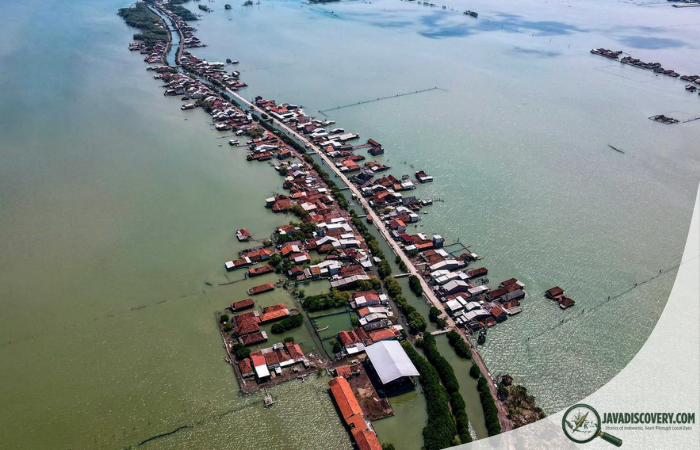
javadiscovery.com – The tide arrives earlier now. Along the northern coast of Java, fishermen pause as seawater creeps across ground that once stayed dry until afternoon. Wooden boats rock gently against flooded walkways. The air smells of salt, algae, and damp concrete. In the distance, the sun rises pale through haze, reflecting off water that should not be there. For many coastal communities, this quiet intrusion has become part of daily life.
An Island Shaped by Balance
Java has always lived in negotiation with nature. Volcanic eruptions renew soil. Monsoon rains dictate planting seasons. Rivers shape settlements and trade routes. For centuries, balance defined survival.
That balance is shifting.

Climate change does not arrive as a single disaster. It appears gradually. Seasons arrive late or end early. Rain falls heavier, then disappears for months. Tides rise centimeter by centimeter. Heat lingers longer.
Across Java, these changes accumulate quietly, altering landscapes and routines in ways that are increasingly difficult to ignore.
The North Coast Losing Ground
The northern coastline of Java faces some of the most visible impacts. Land subsidence, rising sea levels, and tidal flooding combine to redraw the shoreline.
In low lying neighborhoods, water enters homes during high tide. Floors are raised repeatedly. Doors shorten. Streets become canals.
“Every year we add more concrete,” says Pak Rudi, a resident of a coastal village near Semarang. “The sea still comes.”
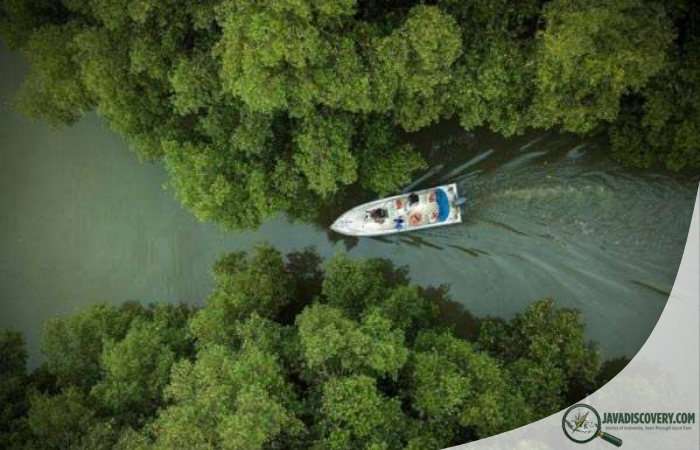
Mangroves once buffered waves. Many were cleared decades ago. Their absence now leaves communities exposed.
Fishing patterns change as coastal ecosystems shift. Species move farther offshore. Smaller catches mean longer trips and higher risk.
Farming Under Uncertain Skies
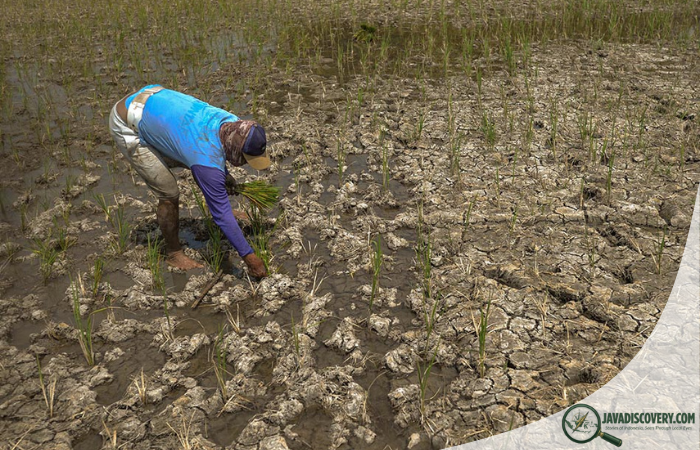
Java’s agricultural heart depends on predictable seasons. Rice fields rely on careful timing. Too much rain destroys seedlings. Too little dries paddies into cracked earth.
Farmers speak of confusion.
“We no longer trust the calendar,” says a farmer in Central Java. “The rain does not listen.”
Delayed monsoons force farmers to gamble on planting. Failed harvests ripple through rural economies.
Some adapt by switching crops. Others wait, hoping for familiar patterns to return.
Heat in the Cities
Urban Java absorbs heat differently. Concrete traps warmth. Trees disappear under development. Temperatures rise.
Afternoons grow oppressive. Electricity use increases as residents rely on fans and cooling. Those without access endure silently.
Street vendors adjust schedules. Construction workers rest longer. Children play indoors.
“The city feels heavier,” says a motorcycle taxi driver in Jakarta. “The sun presses down.”
Water Stress and Urban Inequality
Water access reflects inequality. Wealthier neighborhoods install pumps and storage tanks. Poorer areas rely on irregular supply.
During dry seasons, wells run low. Water vendors appear, selling what was once free.
Groundwater extraction worsens land subsidence, especially along the coast. The cycle feeds itself.
Climate change amplifies existing disparities rather than creating new ones.
Rivers That No Longer Behave
Rivers that once followed seasonal rhythms now overflow unpredictably.
Heavy rains upstream cause sudden floods downstream. Urban drainage systems fail.
Communities respond with sandbags and raised furniture.
“Floods used to come once a year,” recalls an elderly resident along the Bengawan Solo. “Now they come anytime.”
Volcanoes in a Warming World
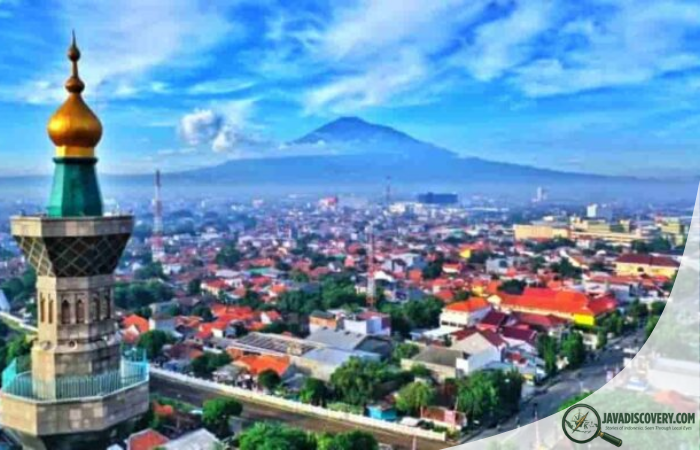
Java’s volcanoes remain active regardless of climate. Yet heavier rainfall increases the risk of lahars.
Volcanic material mixes with rain, turning slopes into channels of mud and debris.
Villages near volcanoes prepare constantly.
Disaster response becomes routine rather than exceptional.
Traditional Knowledge Under Pressure
Javanese culture contains deep environmental wisdom. Agricultural rituals once aligned human activity with natural cycles.
When those cycles shift, traditional indicators lose reliability.
Some elders acknowledge this disruption.
“Nature is speaking differently,” says a cultural leader in Yogyakarta. “We must learn again.”
Youth Facing an Altered Future
Young Javanese inherit uncertainty. Many grow up witnessing environmental change firsthand.
Some leave vulnerable areas. Others stay, adapting creatively.
Environmental awareness spreads through education and social networks.
“We cannot wait for things to return,” says a student activist. “This is the new normal.”
Faith and Environmental Meaning
Spiritual interpretations of climate change vary. Some view it as a test. Others as consequence.
Prayers for rain occur alongside discussions of responsibility.
Religious spaces become centers for reflection and community resilience.
Adaptation Without Romance
Adaptation is often described optimistically. On the ground, it is exhausting.
Raising homes. Replanting fields. Repairing damage.
There is little drama. Only persistence.
What the Future Holds
Java’s future will be shaped by how it responds to ongoing change.
Environmental pressure intersects with population density, economic development, and governance.
There are no simple solutions.
What exists is a landscape in transition, and communities learning to live within it.
An Island Still Listening
Despite disruption, Java continues to listen to its environment.
People observe tides. Watch clouds. Adjust habits.
The relationship with nature evolves.
Climate change is not a distant threat here. It is present, tangible, and shaping everyday life.
The future of Java will depend on whether balance can be reimagined in a warming world.