Urban Migrants and Their Spiritual Bonds to Javanese Villages

javadiscovery.com – In the crowded neighborhoods of Jakarta, Surabaya, and other growing cities across Indonesia, millions of migrants carry memories of villages they left behind. Some arrived years ago seeking work in factories, offices, or small businesses. Others came to pursue education and build new lives in the urban economy.
Yet even after years in the city, the emotional and spiritual pull of the village rarely fades.
For many Javanese migrants, the connection to their ancestral home is not simply nostalgic. It is spiritual, woven into rituals, seasonal journeys, family obligations, and quiet practices that keep the village present in everyday urban life.

Across Indonesia’s cities, this invisible thread continues to bind migrants to the landscapes, graves, mosques, and sacred traditions of rural Java.
The Village as a Spiritual Center
In Javanese culture, a village is far more than a place of birth. It is often understood as a spiritual center of family identity.
Ancestral graves lie within village cemeteries shaded by old trees. Sacred springs and hills may hold stories passed down through generations. Mosques and prayer halls echo with voices that once belonged to parents and grandparents.
Even when migrants move far away, these places remain spiritually significant.
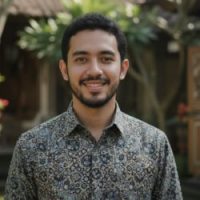
“My body may live in the city,” says Arif, a factory worker who moved to :contentReference[oaicite:0]{index=0} from a village in Central Java. “But my soul still belongs to the village where my parents are buried.”
For Arif and many others, the village remains a moral and spiritual reference point. It shapes how they understand family duty, community belonging, and personal identity.
The Annual Journey Home
One of the most visible expressions of this connection occurs during the annual migration known as mudik. Each year before the Islamic holiday of :contentReference[oaicite:1]{index=1}, millions of Indonesians travel from cities back to their hometowns.
Highways fill with buses, motorcycles, and cars carrying families toward villages scattered across Java.
For urban migrants, this journey is more than a holiday visit. It is a return to spiritual roots.
Many travelers head first to family cemeteries, where they clean ancestral graves and recite prayers. Flowers are scattered across tombstones while relatives gather quietly around them.
The act of visiting graves reconnects migrants with those who shaped their lives, reaffirming bonds that transcend distance and time.
Village Rituals That Continue Across Distance
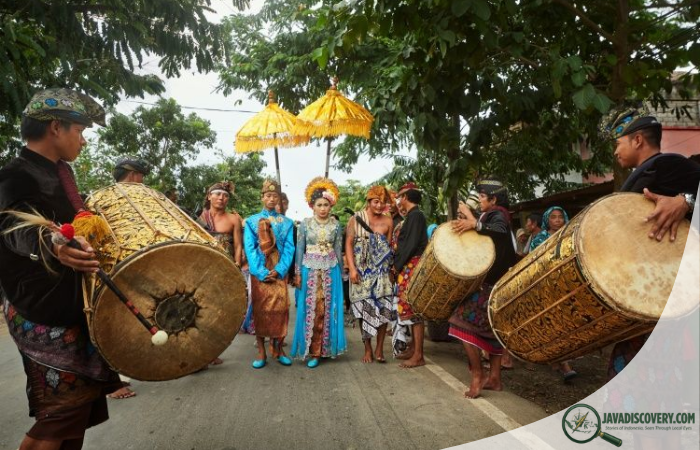
Throughout Java, villages maintain rituals tied to agriculture, seasons, and spiritual harmony. Even migrants living far away often participate indirectly in these ceremonies.
Families may send contributions to support village rituals such as communal prayers, harvest celebrations, or memorial feasts.
One widely practiced tradition is the slametan, a communal meal held to mark important moments in life. These gatherings are believed to maintain spiritual balance within the community.
When migrants cannot attend, relatives may represent them, offering prayers in their names.
Through these symbolic gestures, migrants remain spiritually present within village rituals despite physical absence.
The Role of Ancestral Graves
Ancestral graves hold profound significance in Javanese spiritual life.
In many villages, cemeteries lie slightly elevated above rice fields, shaded by banyan or teak trees. Families visit these sites regularly to maintain connections with ancestors.
Urban migrants often schedule visits during key moments of the year. Before important life decisions, some return home to seek blessings through prayer.
For Siti, who works in a garment factory in :contentReference[oaicite:2]{index=2}, visiting her parents’ graves remains essential.
“Whenever I feel lost,” she says quietly, “I go back to the village. I sit beside their graves and talk to them. After that, my heart feels calm again.”
Such moments reflect a spiritual worldview where ancestors remain part of everyday life.
Urban Prayer Circles and Shared Memory
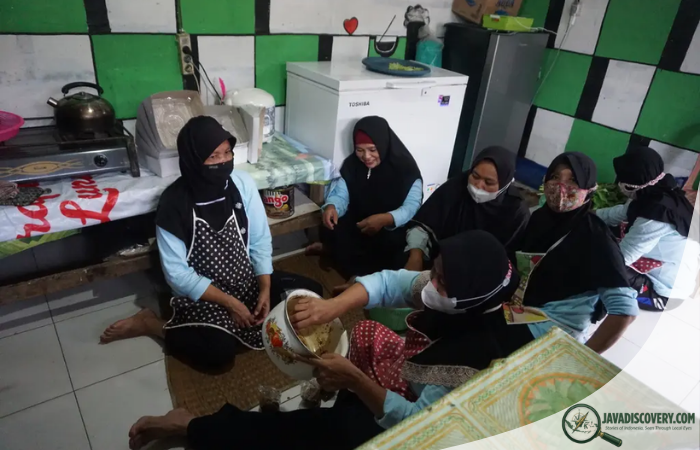
In many cities, migrants from the same village form small social circles that help preserve cultural and spiritual traditions.
These groups often gather for communal prayers, charity events, and religious study sessions. Conversations frequently drift toward memories of home.
Stories about village life circulate easily within these gatherings. Someone remembers the taste of fruit from backyard trees. Another recalls the sound of evening prayers echoing across rice fields.
Through these shared memories, migrants collectively recreate fragments of village identity within urban environments.
Technology Connecting City and Village
Modern technology has added new layers to this long-standing connection.
Mobile phones and messaging applications allow migrants to remain in constant contact with relatives who still live in villages.
Photos of ceremonies, weddings, and funerals are shared instantly across digital networks. Village elders sometimes appear in video calls during family gatherings held hundreds of kilometers away.
These digital interactions cannot replace physical presence, but they allow migrants to witness events that shape village life.
For younger migrants, technology becomes a bridge between two worlds.
Maintaining Ritual Objects and Traditions
Some migrants bring pieces of village tradition with them into the city.
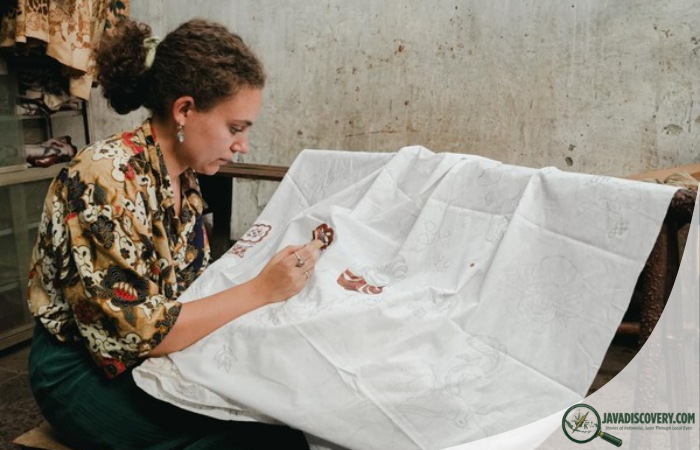
Small prayer spaces inside urban homes often contain objects connected to ancestral heritage. Old family Qurans, heirloom fabrics, or photographs of village houses serve as quiet reminders of origin.
These objects carry emotional meaning beyond their physical form.
They represent continuity between past and present, village and city.
For many migrants, maintaining such items becomes a way of preserving identity in unfamiliar urban landscapes.
Children Growing Up Between Two Worlds
The children of migrants experience this connection differently.
Many grow up in cities yet hear stories about ancestral villages from parents and grandparents. Some visit during holidays and gradually develop their own sense of belonging to these places.
Others struggle to relate to village life that feels distant from their urban routines.
Parents often attempt to pass down cultural and spiritual knowledge during family visits.
Walking through rice fields, introducing children to extended relatives, and explaining family history become important acts of cultural transmission.
The Village as a Place of Return
For some migrants, the village eventually becomes a place of return rather than memory.
After decades in the city, many retirees choose to spend their later years back in their hometowns. The slower rhythm of rural life offers a sense of peace that urban environments rarely provide.
Returning migrants often rebuild old houses or repair family land. They reconnect with neighbors who remember their childhood.
This final return carries deep spiritual meaning.
To live again near ancestral graves and familiar landscapes is seen by many as completing a life journey that began in the village.
A Thread That Distance Cannot Break
Across Indonesia’s expanding cities, rural migrants continue shaping urban culture while maintaining ties to the places they once called home.
The spiritual connection between migrants and their villages remains resilient despite distance, economic pressures, and changing lifestyles.
Each prayer whispered for ancestors, each journey home during mudik, and each story shared among migrants keeps the village alive in memory and practice.
In this way, the countryside of Java continues to exist not only in landscapes of rice fields and mountains but also in the hearts of millions who now live far from them.
The connection is quiet, often invisible to outsiders, yet deeply enduring.
For urban migrants across Java, the village is never truly left behind.