What Tradition Means in Different Regions of Indonesia

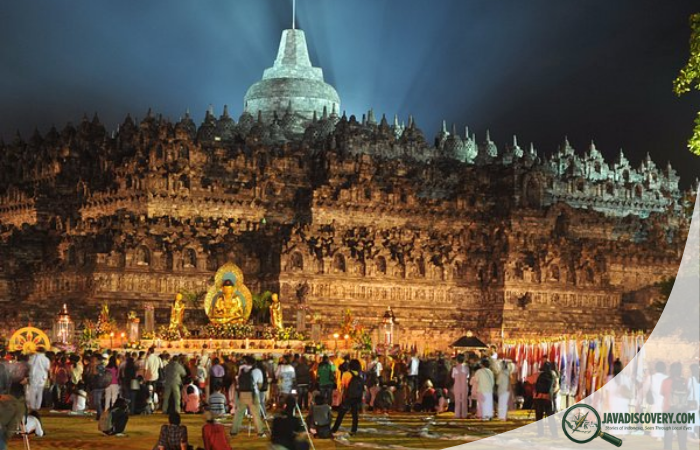
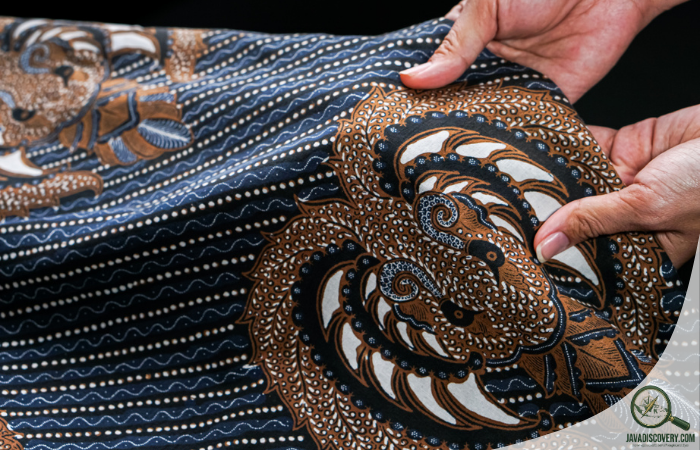
javadiscovery.com – Beneath the shade of a sprawling banyan tree in a Javanese village, an elder meticulously adjusts the fold of his batik sarong, ensuring the pattern aligns with centuries of unspoken etiquette. Simultaneously, thousands of miles away in the rugged highlands of Timor, a young man offers a betel nut to a guest with a specific sequence of hand gestures that signal deep-rooted respect. These acts are not merely habits; they are the physical manifestations of “Adat”—the complex, unwritten code of conduct that governs life across the Indonesian archipelago. What “Tradition” Means in Different Regions is a question that reveals the profound diversity of the Indonesian soul. While the word “tradition” might suggest something static or fossilized, in the Nusantara, it is a living, breathing force. It is the law of the ancestors, the rhythm of the seasons, and the social glue that holds a village together against the encroaching tide of globalization. To explore What “Tradition” Means in Different Regions is to journey through a landscape where the past is never truly behind us, but rather acts as a compass for the present. From the refined etiquette of the Javanese courts to the sacrificial intensity of the Torajan highlands, What “Tradition” Means in Different Regions serves as a reminder that identity is not just about where you are going, but the sacred soil from which you grew.
The Javanese Perspective: Tradition as Refinement (Unggah-Ungguh)
In the heart of Central Java, What “Tradition” Means in Different Regions is defined by the concept of “Alus”—a state of extreme refinement, smoothness, and spiritual control. Here, tradition is synonymous with “Tata Krama” or etiquette. It is a vertical system of social navigation where every word, gesture, and level of speech is calibrated to the status of the person being addressed. For the Javanese, tradition is the art of maintaining “Rukun” (harmony) by suppressing individual ego in favor of communal peace.
When discussing What “Tradition” Means in Different Regions, the Javanese “Unggah-Ungguh” stands out for its psychological depth. It is not just about being polite; it is a spiritual practice of “Eling” (mindfulness). To follow tradition is to be aware of one’s place in the cosmic hierarchy. Whether it is the annual “Sekaten” ceremony or the simple daily ritual of “Sowan” (visiting elders), the Javanese see tradition as the “wadhah” or the vessel that holds the volatile human spirit in check. In this region, What “Tradition” Means in Different Regions is the pursuit of a life that is as balanced and resonant as a perfectly tuned gamelan orchestra.

Bali: Tradition as a Daily Sacrifice (Yadnya)
For the Balinese, What “Tradition” Means in Different Regions is inseparable from the concept of “Yadnya”—holy sacrifice or selfless giving. Unlike the often-hidden psychological traditions of Java, Balinese tradition is a riot of color, sound, and visibility. It is the daily placement of “Canang Sari” (flower offerings) on the street, the towering temple processions, and the rhythmic clanging of the “Rindik.” In Bali, tradition is not a Sunday event; it is an hourly commitment to maintaining the “Tri Hita Karana”—the balance between humans, nature, and the divine.
In the context of What “Tradition” Means in Different Regions, the Balinese view “Adat” as a shield against the “Kali Yuga” (the age of chaos). Tradition is the infrastructure of the village (Banjar), providing a support system that manages everything from water distribution to funeral costs. To the Balinese, What “Tradition” Means in Different Regions is the realization that one is never truly an individual; one is a temporary link in a chain of ancestors and descendants. To break with tradition is to risk “Kualat” (spiritual misfortune), as the land itself is believed to be a living sanctuary that demands constant veneration.
“In the city, they have the law of the police. In the village, we have the law of the breath. Our tradition is the air we breathe; you do not notice it until it is gone, and then you realize you cannot survive without it.” — Opa Domi, 79, a community leader in Flores.
Minangkabau: Tradition as the Harmony of Faith and Custom
In West Sumatra, What “Tradition” Means in Different Regions finds its most famous expression in the philosophy: “Adat Basandi Syarak, Syarak Basandi Kitabullah” (Custom is based on Islamic Law, and Islamic Law is based on the Quran). The Minangkabau people have performed a remarkable feat of cultural synthesis, merging a strictly matrilineal social structure with the patriarchal tenets of Islam. Here, tradition is the “Mother House,” the “Rumah Gadang,” where lineage is traced through the female line and property remains in the hands of women.
When analyzing What “Tradition” Means in Different Regions, the Minang “Adat” is uniquely intellectual and argumentative. It is a tradition of “Musyawarah” (deliberation), where every major decision must be debated until a consensus is reached. For a Minangkabau person, What “Tradition” Means in Different Regions is the ability to be “Merantau”—to travel the world and achieve success—while always remaining anchored to the laws of the clan. Tradition is the “root” that allows the “branch” to grow far away without breaking. It is a dynamic, negotiated identity that proves tradition can be both rigid in its values and flexible in its application.
Toraja and Sumba: Tradition as an Ancestral Debt
In the rugged landscapes of South Sulawesi and Sumba, What “Tradition” Means in Different Regions takes on a weightier, more material form. In these megalithic cultures, tradition is often seen as a “debt” to the ancestors that must be repaid through elaborate and expensive rituals. The “Rambu Solo” funeral in Toraja or the “Pasola” in Sumba are not just festivals; they are the fulfillment of “Adat” requirements that define a person’s status and the family’s honor.
In these regions, What “Tradition” Means in Different Regions is the “Batu” (stone) and the “Darah” (blood). The massive stone tombs and the sacrifice of water buffaloes are the currency of tradition. To follow “Adat” is to ensure that the “umbilical cord” between the living village and the ancestral mountain peaks remains strong. For a Torajan, What “Tradition” Means in Different Regions is the understanding that one lives for the dead, just as the dead continue to watch over the living. It is a cycle of reciprocity that makes the landscape a living archive of family history, where every carved motif on a “Tongkonan” house tells a story of an ancient promise kept.
| Region | Key Concept of Tradition | Primary Manifestation |
|---|---|---|
| Java | Tata Krama (Etiquette) | Refined speech (Unggah-Ungguh) and social harmony (Rukun). |
| Bali | Yadnya (Sacrifice) | Daily offerings, temple festivals, and communal “Banjar” life. |
| West Sumatra | Adat Pusako (Heritage) | Matrilineal lineage and the synthesis of Adat and Islam. |
| Toraja / Sumba | Aluk (Ancestral Law) | Megalithic burials and animal sacrifices for the ancestors. |
| Kalimantan (Dayak) | Belian (Healing/Nature) | Spiritual forest management and communal longhouse living. |
Dayak: Tradition as Ecological Management
Deep in the rainforests of Kalimantan, What “Tradition” Means in Different Regions is a matter of environmental survival. For the Dayak people, tradition is the “Hutan Larangan” (forbidden forest) and the “Tiga Dunia” (three worlds) philosophy. Tradition is the knowledge of which plants heal, which trees must never be cut, and how to read the flight of a bird to predict the success of a harvest. Here, What “Tradition” Means in Different Regions is a sophisticated system of natural resource management disguised as myth.
In the framework of What “Tradition” Means in Different Regions, the Dayak tradition is one of “Solidarity.” The “Betang” or longhouse is the architectural proof of this. To live by tradition is to live in a single hall with forty other families, sharing the hunt and the harvest. For the Dayak, What “Tradition” Means in Different Regions is the refusal to see the self as separate from the jungle. The “spirits” of the forest are essentially the stakeholders in the community, and tradition is the contract that ensures both human and forest can thrive for another thousand years.
Modernity and the “Negotiated” Tradition
As Indonesia urbanizes, What “Tradition” Means in Different Regions is undergoing a fascinating transformation. In the “Kampungs” of Jakarta, tradition is no longer about farming cycles, but about “Silaturahmi”—the tradition of maintaining social connections. During “Mudik,” the massive annual migration at the end of Ramadan, millions of people return to their ancestral villages. This act itself has become a modern tradition, a way to periodically “recharge” one’s identity by reconnecting with the “Adat” of the home region.
Within the discussion of What “Tradition” Means in Different Regions, there is also the rise of “Cultural Tourism.” In places like Ubud or Tana Toraja, tradition is now a commodity, but it is a commodity that also provides the financial resources to keep the ancient rituals alive. This creates a “double life” for many Indonesians, where they may work in a tech startup by day but return to their village to lead a traditional “Gamelan” troupe by night. What “Tradition” Means in Different Regions in the 21st century is the ability to navigate these two worlds without losing one’s “Pusat” (center).
The Conflict of Adat: When Tradition Meets the State
It is important to acknowledge that What “Tradition” Means in Different Regions is sometimes a source of tension. “Adat” often exists in parallel to national law, and sometimes in conflict with it. Whether it is land rights in Papua or marriage customs in remote islands, the local understanding of What “Tradition” Means in Different Regions can be a form of resistance against centralized power. For many indigenous groups, tradition is their only “legal” defense against the encroachment of mining or logging companies. In this sense, What “Tradition” Means in Different Regions is a political statement: “We were here before the laws were written, and our laws are etched into the earth.”
Conclusion: The Unity in Diversity
Ultimately, What “Tradition” Means in Different Regions is the true meaning of “Bhinneka Tunggal Ika”—Unity in Diversity. Indonesia is not a country that is moving “away” from tradition toward “modernity,” but rather a country that is building a modern identity *out of* its traditions. Whether it is the silent refinement of Java, the fiery sacrifices of Bali, or the matrilineal strength of Sumatra, What “Tradition” Means in Different Regions is the soul’s refusal to be forgotten.
As the sun sets over the thousand islands, and the “Bedug” drum or the church bell sounds, the people of the archipelago return to their “Adat.” What “Tradition” Means in Different Regions is the common thread that weaves the individual into the tapestry of the nation. It is the wisdom of the elders passed down like a precious heirloom, and the laughter of children playing games their ancestors played five centuries ago. To understand What “Tradition” Means in Different Regions is to realize that tradition is not a prison, but a foundation. It is the “Akar” (root) that allows the Indonesian tree to stand tall in the storms of history. In the end, What “Tradition” Means in Different Regions is simply the art of being human in the company of those who came before us and those who will follow. It is the eternal “Pulang” (return) to the source of our strength, a journey that every Indonesian makes every single day of their lives.