Exploring The Sufi Syncretic Roots of Javanese Spirituality

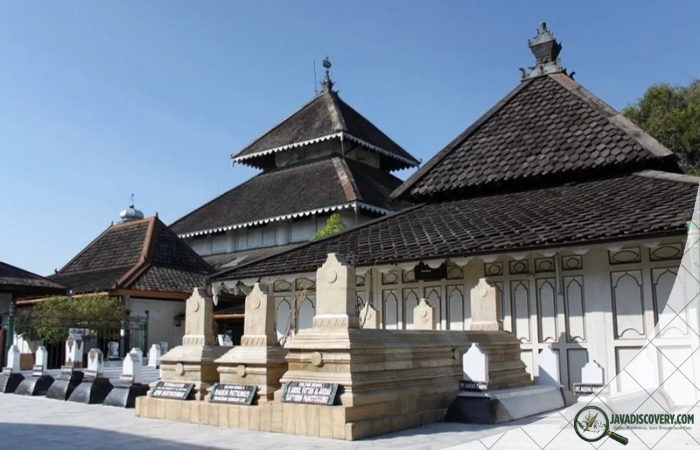
javadiscovery.com – The air inside the complex of the Great Mosque of Demak carries a weight that is difficult to describe. It is not merely the stillness of a historic monument, nor is it strictly the solemnity of a place of worship. As dusk settles over the central Javanese plain, the scent of burning sandalwood incense, or kemenyan, drifts through the open-air pavilions. It mixes with the faint, sweet perfume of jasmine flowers left by pilgrims on the cool stone floors. Here, the sound of the Adhan calling the faithful to prayer does not clash with the distant, melodic resonance of a gamelan set being tuned in a nearby village. Instead, they seem to weave together, creating a tapestry of sound that has defined the Javanese spiritual landscape for centuries. This is the heart of Javanese Sufism, a practice that is neither solely orthodox nor purely indigenous, but a beautiful, complex synthesis that challenges the boundaries of religious categorization.
The Arrival of the Mystics
The history of Islam in Java is not a tale of swift conquest or sudden conversion. It is a story of gradual osmosis. When traders from Gujarat, Persia, and the Arab world arrived on the shores of the archipelago, they did not come with the mandate of an imperial army. They came as merchants, travelers, and teachers. Many of them were adherents of Sufism, the mystical dimension of Islam that prioritizes direct, personal experience of the Divine over rigid dogmatism. They found a society already deeply steeped in a spiritual tradition that drew from both Hindu and Buddhist philosophies, rooted in an older, animistic bedrock that revered the sacredness of nature and the presence of ancestors.
The Sufis recognized something familiar in the Javanese soul. They encountered a people who already understood the concept of a transcendent reality, who believed in the interconnectedness of all life, and who practiced an intense, disciplined introspection. Rather than demanding that the Javanese abandon their existing cultural rituals, the Sufi missionaries embraced them. They acted as a bridge, translating the concepts of Islamic monotheism into a language that the Javanese already spoke. They did not erase the old ways; they reinterpreted them. This was the birth of a syncretic identity that would eventually become the hallmark of the Javanese spiritual experience.

The Wali Songo and the Art of Assimilation
At the center of this transformation stand the Wali Songo, or the Nine Saints. These figures are the architects of the Javanese spiritual identity, legendary saints whose tombs remain the most visited pilgrimage sites in Indonesia. Their strategy was one of radical empathy and cultural intelligence. Sunan Kalijaga, perhaps the most famous of the Nine, is celebrated for his use of wayang kulit, the traditional shadow puppet theatre, to teach Islamic values. He did not ban the puppets, which had their roots in Hindu epics. He transformed them, using the stories to explore questions of morality, the nature of the soul, and the path toward the Divine.
To the orthodox, this might have seemed like a dilution of the faith. To the Wali Songo, it was the essence of true religion: the ability to find the Truth in any vessel. By utilizing the existing tools of Javanese society, they ensured that the message of Islam would take root deep within the soil of the culture. They taught that the outward form of a ritual was less important than the inward state of the heart. This perspective aligned perfectly with the Sufi doctrine of Fana, or the annihilation of the self in the presence of God, which mirrored the Javanese concept of Manunggaling Kawula Gusti, the mystical union between the servant and the Lord.
The Philosophy of Inner Harmony
Manunggaling Kawula Gusti is perhaps the most profound expression of this syncretic philosophy. It suggests that the boundary between the individual and the Divine is not a wall, but a veil. Through constant spiritual discipline, through the purification of the heart, and through the cultivation of deep, meditative silence, the believer can attain a state where their own will becomes aligned with the Divine will. This is not a claim of divinity, but a claim of complete surrender.
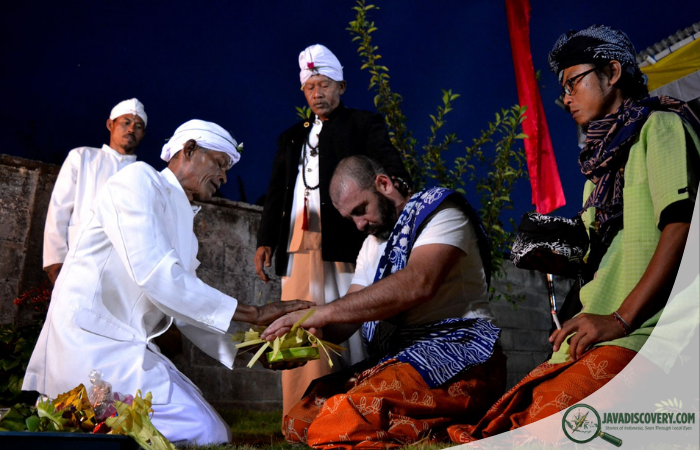
In the quiet of a Javanese morning, one can see this philosophy enacted in the daily lives of the people. It is in the way a person approaches their work, not as a means to an end, but as a form of ibadah, or worship. It is in the practice of the Selamatan, a communal ritual meal where neighbors gather to offer prayers for protection and gratitude. The ritual itself is a blend of pre-Islamic tradition and Islamic supplication. The food, the incense, and the collective sitting together on the floor are all elements that predate the arrival of Islam, yet the prayers offered are rooted in the Quran. In this context, the rituals are not competing systems; they are complementary layers of meaning.
The Living Legacy of Ziarah
The practice of Ziarah, or pilgrimage to the tombs of the saints, is the most visible manifestation of the enduring power of Javanese Sufism. Thousands of people travel to the sites of the Wali Songo every year. They do not come to worship the saints as gods. They come to seek barakah, or spiritual blessing, and to tap into the energy of those who were closer to the Divine. They sit in the hushed, cavernous spaces of the tomb complexes, reciting prayers and reflecting on their own lives.
This practice is often criticized by those who favor a more puritanical approach to religion, but for the Javanese, it is an essential part of their spiritual identity. It is a way of keeping the connection to the past alive. It is a recognition that the wisdom of the ancestors is not dead; it is a living, breathing force that continues to guide and protect the community. The tomb is not a place of the dead; it is a place of profound, living conversation between the present and the eternal.
Navigating the Modern Tension
In the contemporary era, this syncretic tradition faces new challenges. With the rise of more globalized, standardized forms of religious expression, the “gentle Islam” of Java is sometimes positioned as a target for reform. There are voices that call for the removal of the rituals they deem un-Islamic, for the standardization of practices, and for a stricter adherence to a singular, orthodox interpretation of the faith. This has created a palpable tension within the society, a struggle between the desire to modernize and the need to preserve the unique character of Javanese identity.
Yet, the resilience of these traditions should not be underestimated. Javanese Sufism has survived colonial rule, political upheaval, and the pressures of globalization. It survives because it provides something that a strictly legalistic approach to religion cannot: a sense of belonging, a connection to the land and its history, and a spiritual framework that is deeply embedded in the everyday reality of the people. It is not an abstract theory, but a way of living that acknowledges the complexity of the human experience.
The Quiet Resilience of Syncretism
To walk through a village in Java is to witness the continued relevance of this spiritual syncretism. It is in the way the local Kyai, or Islamic scholar, is also a custodian of traditional wisdom, a person who understands the importance of the old rituals as well as the teachings of the Quran. It is in the way the children are taught the Arabic alphabet alongside the stories of the Javanese epics. It is in the inherent politeness and the deep-seated respect for the balance of the universe that characterizes the Javanese temperament.
This is a spirituality of inclusion. It is a way of life that refuses to see the world in black and white terms. It acknowledges that truth is multifaceted and that the Divine can be encountered in a thousand different ways. It is a path that values the heart over the intellect, and peace over confrontation. For the global audience, looking at the Javanese experience offers a powerful lesson in the possibility of harmony.
Reflections on a Mystical Path
As the sun sets, casting long shadows over the grave of a saint, the atmosphere becomes heavy with potential. It is a time for the inner life, a time to withdraw from the distractions of the world and to reflect on the meaning of one’s journey. The air is cool, the silence is profound, and the presence of the past feels incredibly close. This is the moment when the syncretic nature of Javanese spirituality becomes clear. It is a bridge between the seen and the unseen, between the human and the Divine, between the ancient traditions and the living faith.
To understand the spirit of Java is to understand that the path to the Divine is not a straight line, but a labyrinth. It is a journey that requires patience, humility, and the ability to listen to the whispers of the past. It is a tradition that has survived because it has been willing to evolve, to adapt, and to incorporate the best of what it encountered while remaining true to its core. And in doing so, it has created a spiritual landscape that is as deep, as complex, and as beautiful as the island itself.
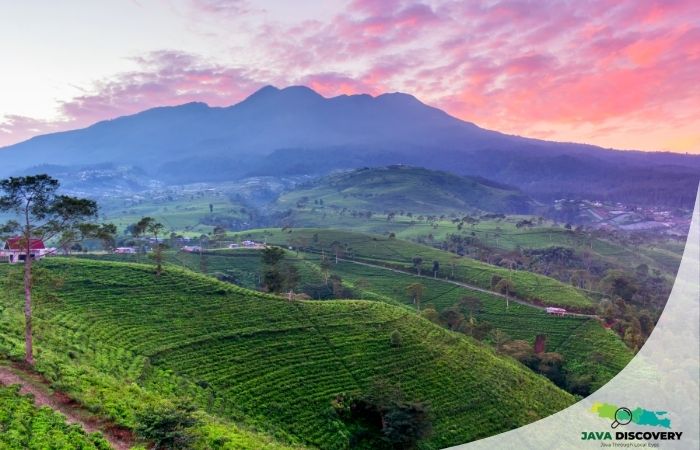
The lessons of Javanese Sufism are not just for the Javanese. They are for anyone who seeks to live a life of spiritual integrity in a fragmented world. They remind us that we are not solitary individuals fighting for our own salvation, but participants in a vast, interconnected web of life. They remind us that our traditions are not burdens, but gifts, and that our ancestors are not distant figures, but partners in our journey. As the stars emerge above the volcanoes, the cycle begins again, and the people of Java continue their path, guided by a faith that is as old as the mountains and as fresh as the morning breeze.