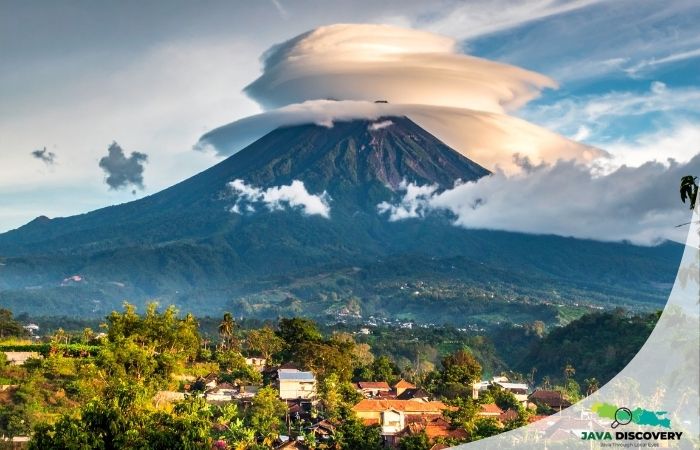
Microclimates Inside Javanese Valleys and Hidden Weather Worlds

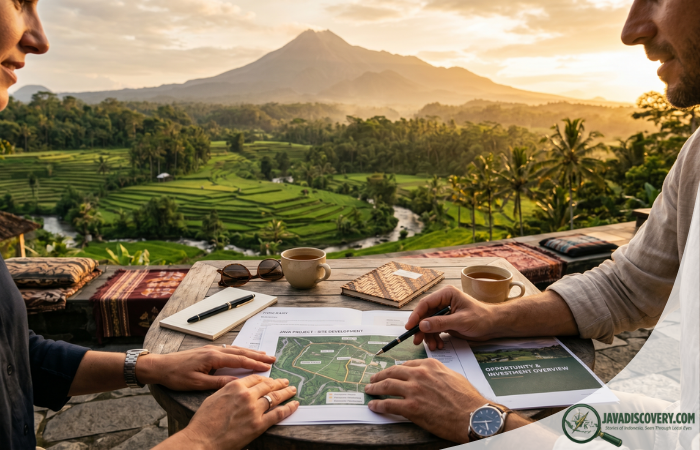
javadiscovery.com – Before the sun rises fully above the volcanic ridges of Java, a quiet transformation is already underway deep inside its valleys. A thin layer of mist settles across rice fields, clinging low to the ground as if the earth itself is exhaling. The air feels cooler here than on the slopes above. Leaves glisten with condensed moisture, and the scent of damp soil lingers in the stillness. In these early hours, valleys across Java reveal a secret rarely noticed from afar. Each one holds its own climate, shaped not by distance, but by terrain.
Across the island, valleys carved between volcanoes and hills create microclimates that differ sharply from the surrounding landscape. A few hundred meters of elevation or a slight shift in slope direction can change temperature, humidity, wind flow, and rainfall patterns. These subtle variations influence how people farm, what crops can grow, and how daily life unfolds.
In Java, climate is not uniform. It is layered, intimate, and deeply tied to the contours of the land.

Understanding Microclimates in Java
A microclimate refers to a localized climate that differs from the surrounding region. In Java, these microclimates emerge from the island’s complex topography. Volcanoes rise abruptly from plains, while valleys dip between ridges, trapping air and moisture in unique ways.
Temperature often decreases with elevation, but valleys complicate this pattern. Cool air tends to sink at night, settling into low areas. This creates pockets of colder temperatures at valley floors, even when nearby slopes remain warmer.
During the day, sunlight interacts differently with each valley depending on orientation. Valleys facing east receive early sunlight, warming quickly. Those facing west may stay cooler longer, shaded by surrounding ridges.
These small differences accumulate, producing distinct environmental conditions that shape both ecosystems and human activity.
The Role of Volcanic Landscapes
Java’s valleys are inseparable from its volcanic history. The island sits along the Pacific Ring of Fire, where tectonic forces have formed a chain of active and dormant volcanoes.
Between these towering peaks lie fertile valleys filled with volcanic soil. Over centuries, rain and erosion carved channels through these landscapes, creating natural basins where water and nutrients accumulate.
The result is a patchwork of agricultural zones where each valley behaves differently. Some retain moisture longer, supporting rice cultivation year round. Others dry more quickly, favoring crops such as cassava or maize.
The geology beneath the surface continues to influence how these microclimates function.
Morning Mist and Night Cooling
One of the most visible signs of valley microclimates appears in the early morning. As night falls, temperatures drop and moisture in the air condenses into fog or dew.
In valleys, this effect intensifies. Cool air flows downward from surrounding slopes and becomes trapped, creating a cold layer that lingers until the sun rises high enough to disperse it.
Farmers often wake to fields covered in mist, a daily occurrence that shapes agricultural rhythms. Crops absorb moisture from the air, reducing the need for irrigation during certain seasons.
This natural cycle becomes part of the local understanding of weather, passed down through generations of observation.
Wind Patterns and Air Circulation
Wind behaves differently inside valleys compared to open plains. During the day, warm air rises along valley walls, drawing cooler air upward from below. At night, the process reverses as cooler air descends.
This daily circulation creates a gentle but consistent airflow that influences temperature and humidity.
In narrow valleys, wind movement can be restricted, leading to more stable and humid conditions. In wider valleys, breezes may move more freely, creating greater variation throughout the day.
These patterns affect everything from crop growth to the drying of harvested produce.
Rainfall Variations Across Short Distances
Rainfall in Java is influenced by monsoon systems, but local geography can alter how rain falls within specific valleys.
Moist air rising along mountain slopes cools and condenses, producing rainfall that may be concentrated on one side of a ridge. Valleys located in the rain shadow of these slopes can receive significantly less precipitation.
As a result, two villages separated by a single ridge may experience very different growing conditions.
Farmers learn to adapt by selecting crops suited to their specific microclimate. Rice may dominate in wetter valleys, while drier areas support alternative agriculture.
Agriculture Shaped by Microclimates
For centuries, Javanese farmers have relied on detailed knowledge of local microclimates. This knowledge guides decisions about planting schedules, crop selection, and irrigation techniques.
Rice Cultivation in Moist Valleys
In valleys where water accumulates and humidity remains high, rice thrives. Terraced fields capture water flowing from higher elevations, creating stable conditions for cultivation.
The combination of fertile volcanic soil and consistent moisture allows for multiple harvests each year.
Dryland Farming on Valley Edges
On the edges of valleys where conditions are drier, farmers often plant crops that require less water. Cassava, corn, and peanuts adapt well to these environments.
This diversity of crops within short distances reflects the influence of microclimates on agricultural practices.
Specialty Crops and Unique Conditions
Some valleys develop microclimates ideal for specialty crops such as coffee, tea, or certain vegetables. Slight differences in temperature and humidity can affect flavor, texture, and yield.
These localized conditions create distinct agricultural identities tied closely to specific regions.
Human Settlements and Climate Awareness
Villages in Java are often built with careful attention to microclimate conditions. Houses may be positioned to take advantage of cooling breezes or to avoid areas prone to flooding.
Traditional architecture incorporates ventilation, shading, and materials suited to local temperature patterns.
Community life also adapts to these conditions. Daily routines shift with temperature changes, with outdoor work often concentrated in cooler morning and evening hours.
Over time, these adaptations become part of cultural knowledge embedded in everyday life.
Ecological Diversity Within Valleys
Microclimates contribute to biodiversity by creating varied habitats within small geographic areas.
In a single valley, differences in sunlight, moisture, and soil can support multiple plant and animal species. Forest patches, agricultural land, and river ecosystems coexist within close proximity.
This diversity supports complex ecological relationships that sustain both natural systems and human livelihoods.
Challenges in a Changing Climate
As global climate patterns shift, the delicate balance of microclimates in Java faces new challenges.
Changes in rainfall patterns, temperature increases, and deforestation can disrupt the conditions that valleys depend on. Reduced forest cover alters water retention and airflow, affecting local climates.
Farmers who rely on traditional knowledge must now adapt to less predictable conditions. Planting cycles that once followed stable seasonal patterns may require adjustment.
Understanding microclimates becomes even more important in navigating these changes.
A Landscape of Hidden Climates
From above, Java may appear as a continuous landscape of green fields and volcanic peaks. Yet within its valleys lie countless hidden climates, each shaped by subtle interactions between land, air, and water.
These microclimates remind us that environment operates on many scales. While national weather patterns provide a broad framework, local conditions determine the details of daily life.
For the people who live in these valleys, climate is not an abstract concept. It is something felt in the cool air before sunrise, observed in the movement of mist, and understood through generations of experience.
In the quiet spaces between mountains, Java reveals one of its most intricate and often overlooked features. A landscape where climate changes not across continents, but within the gentle curve of a vall