
The Ritual Soundscape of Dawn in Javanese Villages

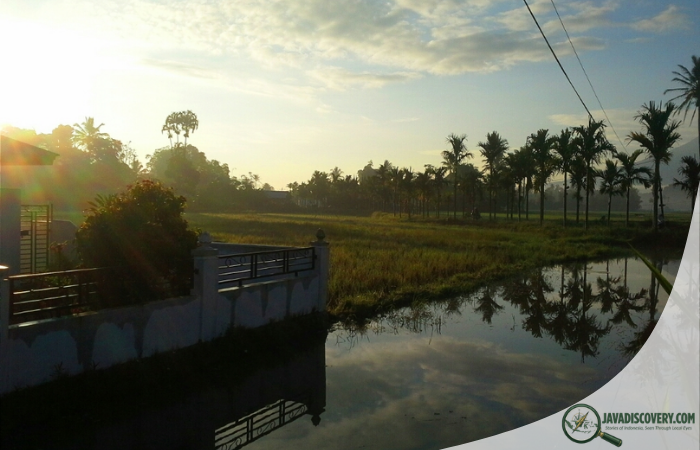
javadiscovery.com – Before the sun lifts its pale rim above the rice fields, before the motorbikes begin to hum along narrow asphalt roads, the villages of Java awaken in sound. It begins almost imperceptibly. A rooster calls from behind a bamboo fence. Another answers from across a darkened yard. Leaves tremble in the cool pre dawn air. Then, from a small mosque tucked between tiled roofs, a human voice rises into the fading night. The call is neither hurried nor theatrical. It is steady, melodic, intimate. In that moment, the village is not yet visible, but it is fully alive.
Before Light, There Is Sound
Dawn in a Javanese village unfolds first through the ear. The horizon remains ink blue, but the acoustic landscape begins to shift. In Central Java, in villages outside Yogyakarta and Magelang, the first structured sound is often the adzan, the Islamic call to prayer. The voice, carried by modest loudspeakers, drifts over banana trees and fish ponds, slipping through wooden shutters and woven bamboo walls.
Each muezzin has a distinct cadence. Some elongate certain syllables, their voices trembling gently in the cool air. Others deliver the call in a lower register, almost conversational. The sound is devotional, but it is also communal. It signals the transition from private sleep to shared consciousness.

As the final phrase fades, doors creak open. Footsteps shuffle across stone courtyards. The rhythm of water splashing into metal basins announces ablution. Even without sight, one could map the village through its layered sounds.
The Mosque as Acoustic Center
The village mosque does more than anchor spiritual life. It shapes the soundscape. In East Java, in communities near Malang and Jombang, dawn recitations sometimes continue after prayer. Verses from the Quran ripple softly through the loudspeaker, mingling with the rustle of palm leaves.
Older men cough discreetly. Sandals slap gently against tiled floors. Children, still half asleep, mimic the movements of elders. The mosque does not dominate the landscape visually as dramatically as ancient temples, yet acoustically it forms the heart of morning.
Sound radiates outward in concentric circles. Houses closest to the mosque awaken first. Farther edges of the village receive the call seconds later, slightly diluted by distance. The delay creates subtle echoes, a natural reverberation shaped by rice paddies and narrow alleys.
Roosters, Insects, and the Ecology of Morning
Beyond human ritual, the natural world contributes its own choreography. Roosters crow not as solitary performers but as participants in a chorus. One call sparks another. The tempo is unpredictable yet patterned. In West Java, in villages near Bogor, the humid air amplifies the sharp clarity of each crow.
Insects add a fine texture beneath louder sounds. Crickets taper off as light approaches, their nocturnal dominance giving way to the first chirps of sparrows. Swallows trace arcs above rooftops, wings slicing the air with faint whistles.
This ecological layering reveals an ancient continuity. Long before electric speakers and diesel engines, dawn belonged to animals and wind. Human ritual entered into this preexisting orchestra rather than replacing it.
The Kitchen Awakens
As the eastern sky lightens to ash gray, another dimension of sound begins to surface. In modest kitchens, wood is split and placed into clay stoves. The crackle of firewood mingles with the metallic clang of pots. Water poured from enamel kettles strikes aluminum pans with a bright ring.
Women sweep front yards with stiff brooms made from coconut fronds. The rhythmic brushing against packed earth produces a soft scraping, steady and methodical. In villages outside Solo, this sweeping often becomes a shared act. Neighbors exchange brief greetings across low fences, voices still gentle from sleep.
The scent of frying shallots drifts outward. Oil hisses as tofu meets heat. Though scent is not sound, it seems inseparable from the auditory environment. The village is assembling itself through sensation.
Children and the Pulse of Routine
By the time sunlight touches the tops of coconut trees, the tempo accelerates. Schoolchildren recite multiplication tables aloud while dressing in crisp uniforms. Zippers rasp. Backpacks thud onto wooden benches. Laughter breaks unexpectedly, high and unrestrained.
In Central Java, especially in agricultural communities near Klaten, farmers ready their tools before heading to the fields. The metallic ring of a hoe striking stone resonates briefly. Motorbikes cough to life in uneven succession, each engine carrying a distinct pitch shaped by age and repair.
These sounds mark a shift from ritual stillness to productive motion. Dawn is no longer contemplative. It is kinetic.
The Bamboo Loudspeaker and Local Announcements
In some villages, especially those with strong communal traditions, dawn includes brief public announcements. A village official may use the mosque loudspeaker to remind residents of an upcoming wedding, a community clean up, or a funeral prayer. The voice is practical, slightly amplified, woven seamlessly into the morning soundscape.
This practice reinforces the acoustic unity of the village. Information travels not through private devices but through shared air. Everyone hears the same message at the same time.
Layers of Faith and Memory
Although Islam shapes much of Java’s dawn ritual, elements of older belief systems linger subtly in sound. In some communities, elderly residents still whisper quiet invocations rooted in Javanese kejawen spirituality before stepping outside. The words are soft, nearly private, yet they add another thread to the fabric of morning.
In highland villages near Dieng, where mist often blankets potato fields, the echo of prayer mingles with wind sweeping across volcanic slopes. The natural acoustics differ from coastal settlements. Sound carries farther in thin mountain air, creating a sensation of expanded space.
The Transition to Daylight
As the sun rises fully, the ritual intensity of dawn dissolves into routine. The call to prayer becomes memory. Roosters quiet. Insects retreat. The steady hum of daily labor takes over.
Yet something essential has already occurred. The village has synchronized itself through sound. Individuals who woke in isolation now move in subtle alignment. Prayer, sweeping, cooking, and greeting have established a shared tempo.
Modern Intrusions and Enduring Patterns
Mobile phone alarms now punctuate some mornings, introducing digital tones into ancient rhythms. In peri urban areas outside Semarang, construction trucks may rumble earlier than roosters. Yet even here, the adzan remains central. Its melodic arc persists above mechanical noise.
The coexistence of tradition and technology creates a layered acoustic identity. Java’s villages do not resist change entirely. They absorb it, adjusting tempo without abandoning core ritual.
Listening as Cultural Insight
To understand Javanese village life, one must listen carefully at dawn. Architecture can be photographed. Ritual can be described. But the emotional texture of community emerges most vividly through sound.
When the final echo of the morning call dissolves into the chatter of sparrows, there is a brief pause. It is almost imperceptible, a breath between sacred and ordinary time. Then daily life surges forward.
Dawn in a Javanese village is not silent beauty. It is structured resonance. It is devotion carried on humid air, broom strokes across packed soil, the metallic strike of pots, the crackle of wood fire, the laughter of children stepping into new light.
As daylight settles across terraced fields and tiled roofs, the ritual soundscape fades into the background. Yet it will return the next morning, steady and patient, binding the community once more through shared vibration.