Traditional Conflict Resolution in Different Regions


javadiscovery.com — In the cool, high-altitude shadows of a Tongkonan house in Toraja, a long-standing dispute over ancestral land is settled not by the cold strike of a judge’s gavel, but by the shared consumption of a sacrificed buffalo. A thousand miles away, in a seaside village in Maluku, two families once divided by grievance embrace in a ritual of Pela Gandong, sealing their peace with an oath that transcends generations. Traditional conflict resolution in different regions of Indonesia begins with the understanding that “keadilan” (justice) is not a binary of win or lose, but a restorative process designed to mend the “sobekan” (tear) in the social fabric. Across the 17,000-island expanse of the archipelago, traditional conflict resolution in different regions of Indonesia prioritizes “persaudaraan” (brotherhood) over “hukuman” (punishment). In the Javanese heartland, this manifests as Rembug Desa, where the goal is a “mufakat” (consensus) that leaves no one with the sting of “isin” (shame). To explore traditional conflict resolution in different regions of Indonesia is to witness a sophisticated indigenous legal system where “adat” (custom) acts as a living bridge. It is a journey into the “batin” (inner world) of a nation that believes “rukun” (harmony) is the highest form of law.
The Javanese Rembug: The Art of Quiet Consensus
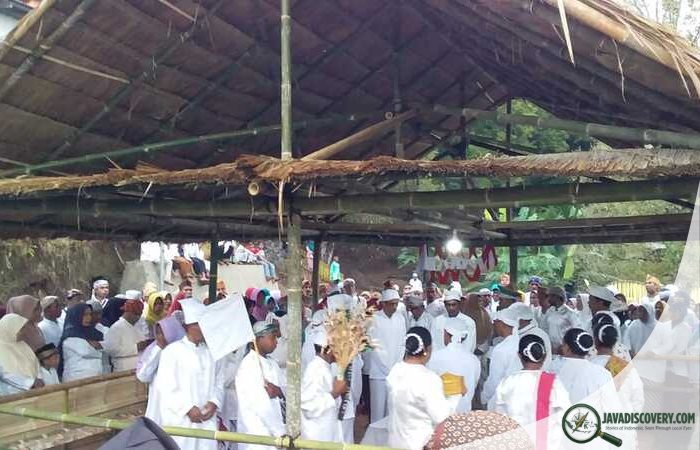
In the villages of Central and East Java, traditional conflict resolution in different regions of Indonesia is defined by Rembug Desa. This is a gathering of elders and the parties involved, held in a neutral space like the village hall or under a banyan tree. In the Javanese framework of traditional conflict resolution in different regions of Indonesia, direct confrontation is considered “kasar” (crude). The “pemimpin” (leader) uses “bahasa halus” (refined speech) to peel back the layers of the dispute, guiding participants toward a middle ground.
A unique nuance of traditional conflict resolution in different regions of Indonesia in Java is the concept of tepo seliro (tolerance). Once a consensus is reached, it is expected that all parties “ikhlas” (sincerely) accept the result. This form of traditional conflict resolution in different regions of Indonesia functions as social “lem” (glue), ensuring that a local spat does not escalate into a “perpecahan” (split) that could haunt the community for generations. The victory is not for the individual, but for the “ketentraman” (tranquility) of the village.

The Pela Gandong of Maluku: Covenants of Blood and Spirit
In the Maluku islands, traditional conflict resolution in different regions of Indonesia takes a more “sacred” and binding form through Pela Gandong. This system creates an eternal brotherhood between villages, often across the divide of Islam and Christianity. When a conflict arises, traditional conflict resolution in different regions of Indonesia involves invoking the ancestral “sumpah” (oath) that binds these communities together.
In the context of traditional conflict resolution in different regions of Indonesia, the Pela acts as a permanent peace treaty. If a dispute occurs, elders from both sides meet to perform a ritual that might involve drinking “sopi” (local liquor) or symbolic blood-brotherhood rites. This traditional conflict resolution in different regions of Indonesia is so powerful that even during sectarian unrest, these ancient bonds often remained the only structures that prevented total “kehancuran” (destruction), proving that ancestral loyalty can supersede modern political tensions.
“In the state court, one person goes home crying and the other smiling. In our ‘adat’ circle, everyone goes home to the same feast. We don’t just fix the problem; we fix the family. That is true justice.” — Opa Samuel, 78, an Adat elder in Ambon.
The Torajan Buffalo: Sacrifice as a Social Cleansing
In South Sulawesi, traditional conflict resolution in different regions of Indonesia among the Toraja people is often linked to the “status” of ritual animals. Major disputes are resolved through Kombongan Adat (the traditional council). Here, the resolution often involves a “denda” (fine) paid in the form of pigs or buffaloes. Within traditional conflict resolution in different regions of Indonesia, the act of “menyembelih” (slaughtering) the animal signifies the “pembersihan” (cleansing) of the communal stain.
The meat is then distributed among the community, including the aggrieved party. This traditional conflict resolution in different regions of Indonesia ensures that while the “pelaku” (offender) pays a significant price, the “korban” (victim) and the village benefit collectively. It transforms a “hukuman” (punishment) into a communal “pesta” (feast), effectively erasing the “dendam” (grudge) through the shared physical experience of eating together under the watchful eyes of the ancestors.
| Region / System | Primary Mechanism | Cultural Philosophy |
|---|---|---|
| Java (Rembug Desa) | Musyawarah & Mufakat | Preserving Rukun (Harmony) |
| Maluku (Pela Gandong) | Ancestral Oaths / Pela Covenant | Eternal Brotherhood |
| Sumatra (Batak – Tunggonan) | Clan Mediation (Dalihan Na Tolu) | Family Kinship & Integrity |
| Toraja (Kombongan) | Sacrificial Fines (Animal) | Spiritual & Social Cleansing |
The Power of Shame: Social Ostracism as a Deterrent
A silent but effective side of traditional conflict resolution in different regions of Indonesia is the use of “pengucilan” (social ostracism). In many “adat” societies, the ultimate penalty is not prison, but being ignored by the village. In traditional conflict resolution in different regions of Indonesia, if an offender refuses to participate in the “damai” (peace) ritual, they effectively become a “ghost” in their own home.
For an Indonesian villager, this “sanksi sosial” (social sanction) is more terrifying than a fine. It means no help during the harvest, no invitations to weddings, and no prayers at their funeral. Traditional conflict resolution in different regions of Indonesia leverages this deep-seated “kebutuhan” (need) for community to force individuals to settle their differences. It is a system built on “isin” (shame) and “tanggung jawab” (responsibility), reminding every person that their existence is tied to the collective.
Conclusion: The Soul of Restorative Justice
Traditional conflict resolution in different regions of Indonesia is the “benteng” (fortress) that has kept the diverse tribes of the archipelago from falling into “chaos” for millennia. It proves that justice is not found in a book of laws, but in a “pertemuan” (meeting) of hearts. Whether through the “halus” negotiations of Java or the “berani” (brave) sacrifices of the East, traditional conflict resolution in different regions of Indonesia remains the “ruh” (spirit) of the islands.
As the “bedhug” drum sounds or the tribal gong echoes across the valley, the circles of “musyawarah” continue to form. Traditional conflict resolution in different regions of Indonesia is a journey of “ikhlas” and “paseduluran” that reminds us that the highest form of law is the love for one’s neighbor. To preserve traditional conflict resolution in different regions of Indonesia is to ensure that the “suara” (voice) of the ancestors continues to guide us toward a world where every “konflik” is simply a bridge to a deeper “persatuan” (unity). In the silence after the consensus is reached, the “tentrem” (peace) returns to the land.