The Javanese Diaspora in Lombok

javadiscovery.com – Before sunrise breaks over the rice fields of eastern Lombok, the air carries the faint scent of damp earth and wood smoke. Roosters call from bamboo fences, and somewhere beyond the palms, a woman hums a Javanese lullaby as she sweeps her yard. The melody does not originate from this island. It traveled here decades ago, crossing the Java Sea with families who carried their memories in woven bags and their future in hope.
Crossing the Sea: Migration and Promise
The story of the Javanese presence in Lombok is inseparable from Indonesia’s vast transmigration program, formally expanded in the twentieth century but rooted in earlier waves of movement during colonial times. Under the Dutch administration, population pressure in Java was already acute. Later, during the New Order era under President, transmigration became state policy. The aim was clear: reduce density in Java and develop outer islands.
For many families from Central and East Java, Lombok appeared as both uncertainty and promise. The island, dominated by the towering presence offered fertile volcanic soils and the possibility of land ownership. In villages near Selong and Pringgabaya, plots were measured and distributed. New settlements emerged with familiar names such as Sumber Rejeki and Tegal Mulyo, echoes of the homeland embedded in unfamiliar terrain.

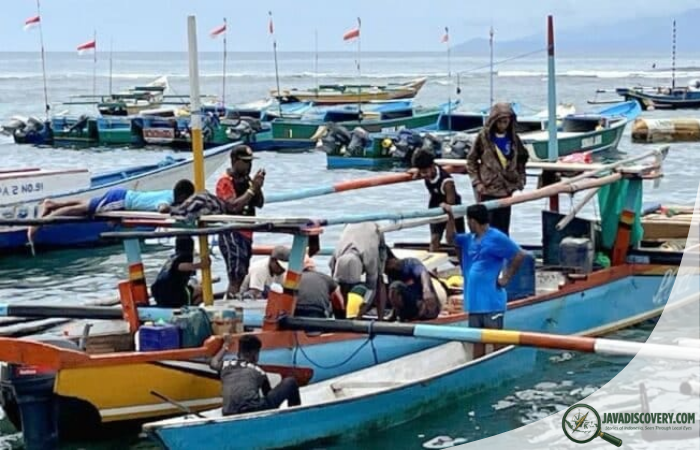
The journey itself was transformative. Elder migrants still recall the first glimpse of Lombok’s coastline from crowded ferries departing from Surabaya. The sea felt vast, the future unclear. Yet many carried seeds from Java, both literal and symbolic: rice varieties, cassava cuttings, prayer books, and wayang stories passed from grandparents to grandchildren.
Between Sasak and Java
Lombok is primarily home to the Sasak people, whose language, customs, and Islamic traditions differ in nuance from those of Java. The early years of coexistence were marked by cautious curiosity. Markets became the first sites of cultural exchange. Javanese farmers introduced irrigation techniques shaped by centuries of wet rice cultivation, while Sasak neighbors shared knowledge of local weather patterns and soil behavior.
Language shifted in subtle ways. Children born in Lombok to Javanese parents often grew up bilingual, speaking Javanese at home and Sasak in the fields or at school. Over time, accents blended. The refined levels of Javanese speech softened in daily use, replaced by a more practical, direct style influenced by Sasak rhythms.
Marriage further intertwined the communities. In mixed households, wedding ceremonies combined elements from both traditions. A Javanese siraman ritual might precede a Sasak nyongkolan procession. The bride’s kebaya could be embroidered in Lombok motifs. These unions created not merely families but new cultural grammars.
Land, Labor, and Identity
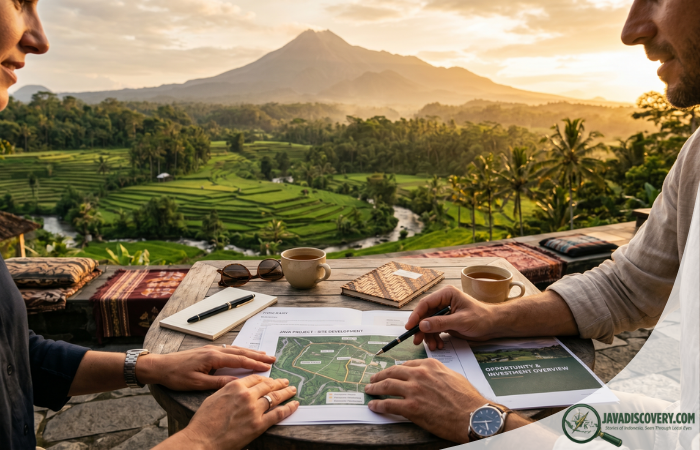
The agricultural landscape of Lombok differs from Java’s dense terracing. Here, fields stretch wide beneath open skies, interrupted by dry seasons that test endurance. Javanese farmers accustomed to abundant rainfall had to adapt. Wells were dug deeper. Crops diversified to include maize and tobacco alongside rice.
In the village of Sukadana, an elderly farmer named Pak Darto sits beneath a mango tree and describes the early years. “The soil was generous,” he says, running his fingers through a handful of dirt. “But we had to learn her language.” He speaks of droughts that cracked the earth and of communal labor days when neighbors gathered to repair irrigation channels. These shared struggles forged solidarity that transcended origin.
Economic mobility varied. Some families prospered, purchasing additional land or sending children to universities in Mataram. Others remained smallholders, their livelihoods vulnerable to market fluctuations and climate shifts. Yet identity remained layered. They were Javanese by ancestry, Lombok by daily reality.
Faith and Practice
Islam binds both Javanese and Sasak communities, but expressions differ. In parts of Lombok, especially in the north, traces of Wetu Telu practice blend Islamic teachings with older cosmologies. Javanese migrants, many influenced by the pesantren culture of East Java, often adhered to more orthodox forms.
Mosques in transmigrant villages reflect this heritage. The call to prayer resonates across fields in a cadence reminiscent of rural Java. In some settlements, recitations of selawat follow rhythms familiar to those raised near Kediri or Jombang. Religious study circles gather after evening prayers, where elders recount stories of saints and scholars from Java’s Islamic history.
Yet adaptation occurs here too. Local preachers integrate Sasak references into sermons. Youth groups organize Quranic recitations that incorporate Lombok’s melodic inflections. Faith becomes a meeting ground rather than a dividing line.
Food as Memory
Food tells a quiet story of migration. In Lombok’s eastern districts, warungs run by Javanese families serve pecel and rawon alongside ayam taliwang and plecing kangkung. Coconut milk thickens curries in ways reminiscent of Java’s interior, yet chilies burn with Lombok’s signature intensity.
During harvest festivals, dishes reflect both worlds. Sticky rice wrapped in banana leaves sits beside spicy shredded chicken. Sweet tea, brewed dark and fragrant, accompanies conversations that drift between recollections of Java and observations about Lombok’s changing climate.
For second and third generations, these flavors are not foreign or hybrid. They are simply home.
Education and Aspiration
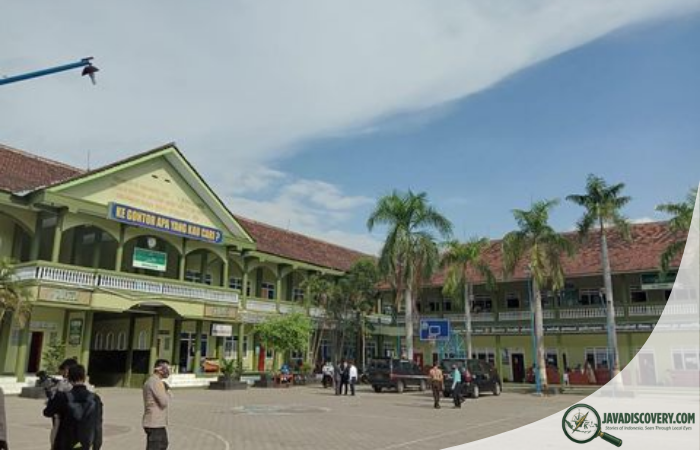
Transmigration was not merely about land but about opportunity. Schools were constructed alongside houses. Today, many children of Javanese migrants pursue higher education in Mataram or even return to Java for university. Some become teachers, civil servants, or entrepreneurs.
In classrooms, history lessons frame migration within national narratives of unity and development. Yet personal stories complicate this perspective. Students speak of grandparents who struggled with homesickness, of letters once sent across the sea, of relatives who chose to remain in Java.
Digital connectivity now narrows distances that once felt insurmountable. Social media groups link families across islands. Wedding invitations travel instantly. Yet when ferry horns echo across Lombok’s western ports, the sound still carries a trace of departure and arrival.
Cultural Preservation in New Soil
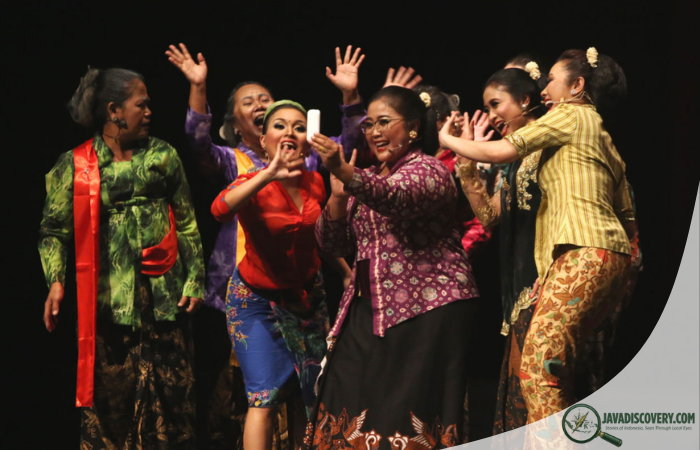
Wayang performances occasionally animate village nights, though they are less frequent than in Java. Gamelan ensembles practice for weddings, their bronze tones mingling with Lombok’s own musical traditions. Community leaders organize cultural events to teach younger generations about Javanese dances and language levels.
There is a quiet determination to preserve heritage without isolating from surroundings. “We are part of Lombok now,” says Ibu Sari, a school principal whose parents arrived in the 1970s. “But our roots give us strength.”
Her words capture the delicate balance of diaspora life: holding onto origin while embracing transformation.
Environmental Challenges
Lombok faces environmental pressures from climate variability and land conversion. Extended dry seasons strain water resources. Younger farmers experiment with drought resistant crops and cooperative irrigation systems. Lessons from Java’s long agricultural history prove valuable, yet conditions differ enough to demand innovation.
Mount Rinjani looms as both protector and reminder of vulnerability. Its eruptions in past centuries shaped the island’s fertile soils. Today, its slopes draw hikers from across the world, altering local economies. Some Javanese families have shifted from farming to tourism related work, guiding treks or operating homestays.
Adaptation once again defines survival.
Memory Across Generations
In the evenings, elders recount stories of departure. They describe leaving behind ancestral graves, of farewells at train stations in Surabaya, of seasickness on crowded decks. Their grandchildren listen with fascination but limited emotional connection. Lombok is the only homeland they know.
Yet rituals of remembrance persist. During Idul Fitri, some families travel back to Java if resources allow, visiting graves and relatives. Others send prayers from afar, trusting that intention bridges distance.
Identity becomes less about geography and more about narrative. The diaspora is not frozen in time. It evolves with each generation.
A Quiet Integration
Unlike some migrant communities marked by tension, the Javanese presence in Lombok has largely integrated into the island’s social fabric. Shared religion, agricultural cooperation, and intermarriage fostered cohesion. Differences remain visible in accent or ceremony, yet they enrich rather than divide.
At dawn, when smoke rises from kitchen fires and motorbikes hum toward fields, it is difficult to distinguish origin by sight alone. What endures is the rhythm of rural life shaped by collective labor and shared aspiration.
The Javanese diaspora in Lombok reveals a story not of displacement alone but of adaptation, resilience, and cultural conversation. It is a reminder that islands, though separated by water, are connected by currents of movement and memory.
As the sun sets behind Mount Rinjani and shadows lengthen across rice paddies, the lullaby returns. Its words are Javanese, its echo Lombok. In that blending lies a quiet testament to Indonesia’s layered identity.