A Year in Java Through Seasons Rituals and Daily Life

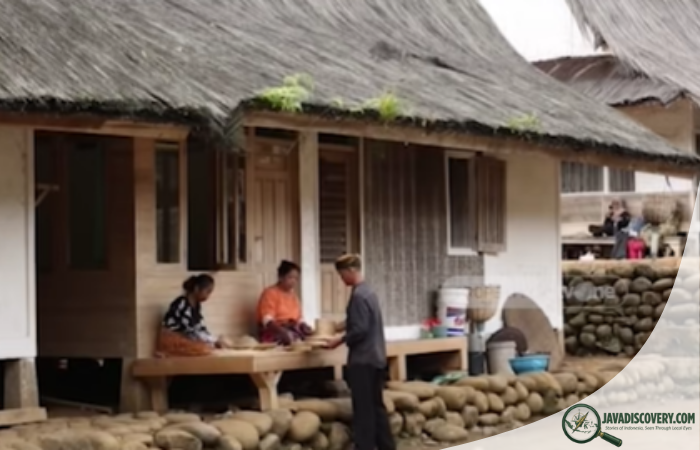
javadiscovery.com – At the turn of the year, Java does not erupt in fireworks alone. It shifts in subtler ways. The wind carries a different scent. The rice fields gleam under heavier skies. The call to prayer feels dampened by thick clouds pressing low over volcanic ridges. Time on this island is not measured only by calendars pinned to walls. It is traced in rain, harvest, fasting, flowering trees, and the slow rotation of communal rituals that bind villages to one another and to the land.
To spend a year in Java is to witness a choreography between climate and culture. The island breathes through two primary seasons, rainy and dry, yet within them unfold layers of ceremony, migration, planting, pilgrimage, and quiet domestic repetition. In cities, skyscrapers reflect the changing light. In villages, farmers read the sky as scripture. Across coasts, highlands, and urban neighborhoods, daily life bends to rhythms older than the republic itself.
The Rainy Season and the Return of Water
January to March Beneath Heavy Skies
By January, the monsoon has settled in. Rain arrives not as drizzle but as declaration. It crashes onto tiled roofs, drums against bamboo walls, floods alleyways within minutes. Rivers swell brown and urgent, carrying leaves, branches, and sometimes fragments of distant hillsides. The air thickens with humidity, wrapping skin in a constant sheen.

In Central Java’s lowland villages, rice fields brim like shallow lakes. Farmers wade calf-deep through water, planting young green shoots in neat rows. Their reflections tremble with each raindrop. The scent of wet earth rises rich and metallic.
“Without this rain, nothing moves,” says Pak Darto, a farmer near Klaten, pausing beneath his conical hat. “We complain about floods, but we fear drought more.”
Children walk to school balancing umbrellas against sudden downpours. Motorcyclists pull over beneath roadside warungs when rain becomes too dense to see through. In cities like Yogyakarta and Bandung, traffic slows to a patient crawl, exhaust mingling with petrichor.
The rainy season is a test of infrastructure and resilience. Landslides threaten hillside communities. Yet it is also a season of planting, of faith in eventual abundance. The rhythm of water dictates the rhythm of labor.
Ritual Cleansing and Communal Prayer
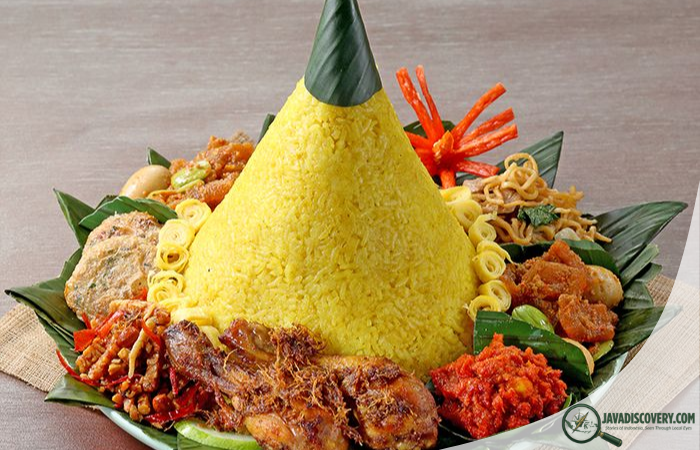
Early in the year, many Javanese communities hold rituals of purification. In coastal towns, fishermen gather for sedekah laut, offering thanks to the sea. Women prepare cones of yellow rice and arrange flowers in woven trays. Prayers rise above the crash of waves. Boats decorated with flags drift outward, carrying symbolic offerings into deeper water.
In inland villages, slametan ceremonies punctuate life’s transitions. A birth, a new home, even the first planting of the season calls neighbors together. Men sit cross-legged on woven mats. A modest meal is placed at the center. Verses are recited softly, asking for balance and protection. The atmosphere is intimate, restrained. Community is reaffirmed through shared food and quiet invocation.
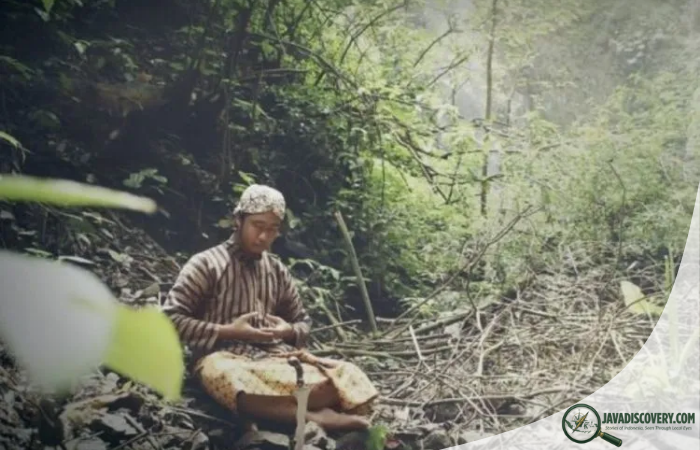
These rituals reflect a worldview shaped by Kejawen philosophy, where harmony between the visible and invisible worlds remains essential. Though most Javanese identify as Muslim, traces of older cosmologies persist in gestures of respect toward mountains, rivers, and ancestral spirits.
Ramadan and the Changing Pulse of the Day
The Lunar Month That Reshapes Time
When Ramadan arrives, the island shifts again. The fasting month moves according to the lunar calendar, sliding gradually through seasons over the years. Whenever it falls, daily life reorganizes around its demands.
Before dawn, neighborhoods stir to the sound of sahur. Drums echo through narrow lanes as volunteers wake residents for the pre-fasting meal. Kitchens glow in the dark. Steam rises from rice pots. Fried tempeh crackles in oil.
Daytime quiets. Restaurants close their shutters. Conversations soften. By late afternoon, markets bloom with color as vendors sell sweet kolak made from bananas and palm sugar, crispy gorengan, and chilled drinks. The air is fragrant with anticipation.
At sunset, the call to prayer signals release. Families break their fast with dates and water. Mosques fill for evening tarawih prayers. Children chase each other between rows of worshippers, laughter echoing against whitewashed walls.
Ramadan reveals the discipline embedded in Javanese culture. Patience, self-restraint, and communal solidarity are not abstract virtues but daily practices.
The Dry Season and the Geometry of Light
April to September Under Open Skies
By late April, rain retreats. Skies clear into vast blue expanses. The sun sharpens shadows into crisp lines. Rice fields transition from watery mirrors to dense carpets of green, then gold as harvest approaches.
Harvest time is laborious and celebratory. Farmers cut stalks by hand or with small machines. Piles of rice dry on tarpaulins along village roads. The scent is grassy and warm. Children help gather fallen grains, their laughter drifting across fields.
“This is when we breathe,” says Bu Sri, her hands deft as she bundles stalks. “We see the result of months of work.”
In the highlands of Dieng Plateau, potato farmers dig into cool volcanic soil. On the northern coast, salt farmers rake crystalline layers from evaporated ponds. Each region adapts to the dry season’s particular opportunities.
Lebaran and the Great Homecoming
At the end of Ramadan comes Idul Fitri, known locally as Lebaran. It is the most significant annual migration on the island. Millions travel from cities back to ancestral villages in a movement called mudik. Highways clog with cars and buses. Train stations overflow with families carrying boxes of gifts.
In villages, houses are scrubbed clean. Gates are repainted. Women prepare opor ayam simmered in coconut milk, ketupat rice cakes wrapped in woven palm leaves, and spicy sambal. The aroma drifts through entire neighborhoods.
On the morning of Lebaran, people dress in fresh clothes and gather for communal prayers in open fields. Forgiveness is sought from elders, hands pressed together in quiet apology. Tears mix with smiles. Social bonds are renewed.
Lebaran is less spectacle than reunion. It reveals the enduring gravity of home in Javanese identity.
Markets, Schools, and the Texture of Ordinary Days
Between major rituals, life unfolds in routines that rarely attract attention yet define the island’s character. Traditional markets open before sunrise. Vendors arrange chilies like scattered rubies, stack tofu in neat cubes, hang chickens from metal hooks. Bargaining is brisk but polite.
Schools begin early. Children in crisp uniforms cycle along narrow roads, their backpacks bouncing lightly. Teachers blend national curriculum with local wisdom, reminding students of proverbs such as alon alon asal kelakon, slow but certain progress.
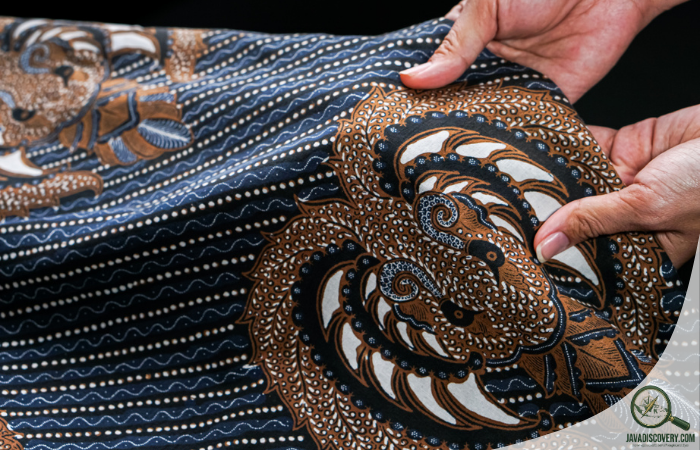
In batik workshops of Solo and Pekalongan, artisans trace wax patterns onto cotton. Each motif carries symbolic weight. Parang suggests strength and continuity. Kawung represents purity and balance. The dry season’s steady light aids precision.
Daily prayer punctuates time across both city and countryside. The call to prayer floats over rooftops at dawn, noon, afternoon, dusk, and night. Its repetition forms an acoustic spine through the year.
Mountain Ceremonies and Ancestral Echoes
In the Tengger highlands near Mount Bromo, the Yadnya Kasada ceremony unfolds during the dry months. Tenggerese Hindus climb to the crater’s edge before sunrise, carrying offerings of vegetables, fruit, and livestock. Smoke rises from the volcano’s throat as prayers are cast into the abyss.
The ritual honors ancestral legend and acknowledges the mountain’s volatile power. Even for observers from other parts of Java, the ceremony resonates with familiar themes of respect toward nature’s forces.
Farther west, in rural Banyumas, villages hold sedekah bumi, thanksgiving for the earth. Traditional dances animate dusty courtyards. Gamelan music reverberates against wooden houses. Food is shared across social lines. Gratitude anchors community.
Shifting Winds and the Edge of Change
October and November Waiting for Rain
As the year bends toward its close, anticipation returns. Fields lie fallow, cracked in places by months without heavy rain. Farmers watch the horizon for darkening clouds. The first storm after a long dry spell carries an almost electric relief.
In urban centers, students prepare for exams. Office workers adjust to fiscal calendars. Yet even amid modern demands, seasonal awareness persists. Fruit sellers know precisely when rambutan will flood markets in bright red clusters. Fishermen track lunar cycles that influence tides.
Climate change complicates these patterns. Rain arrives later or falls harder than memory suggests. Elders compare present seasons with those of decades past. Adaptation becomes part of annual planning.
December Evenings and Quiet Reflection
By December, the monsoon gathers strength once more. The cycle feels complete. Families reflect on marriages celebrated, harvests secured, losses endured. Villages host modest year-end gatherings. Children rehearse dances for school performances. Churches in predominantly Christian communities of Central Java glow with candlelight as Christmas approaches, illustrating the island’s religious diversity.
The year does not conclude with finality. It loops gently into another beginning.
The Continuity Beneath Change
Across twelve months, Java reveals itself not through singular spectacle but through layered repetition. Rain nourishes rice. Rice feeds families. Families gather in ritual. Ritual reinforces harmony. Harmony guides daily conduct.
The island’s megacities pulse with innovation and ambition, yet even there, seasonal markers endure. Office workers join mudik exodus. Urban residents seek mountain air during dry months. Religious holidays pause commerce.
A year in Java teaches attentiveness. It demands listening to monsoon rain on tile roofs, to gamelan echoing under starlit skies, to the soft murmur of prayers spoken over shared meals. It reveals how spirituality, agriculture, and social etiquette interlock like gears in a patient machine.
Time here is circular rather than linear. Each season prepares the next. Each ritual echoes those before it. The island’s soul rests not in permanence but in continuity, in the willingness to adapt without severing roots.
When rain falls again in January, filling irrigation canals and soaking rice paddies, the story begins anew. A year has passed, yet nothing essential has been lost. Java continues, steady and attentive, shaped by seasons and sustained by the quiet discipline of daily life.