Dream Interpretation in Rural Java and Its Living Beliefs

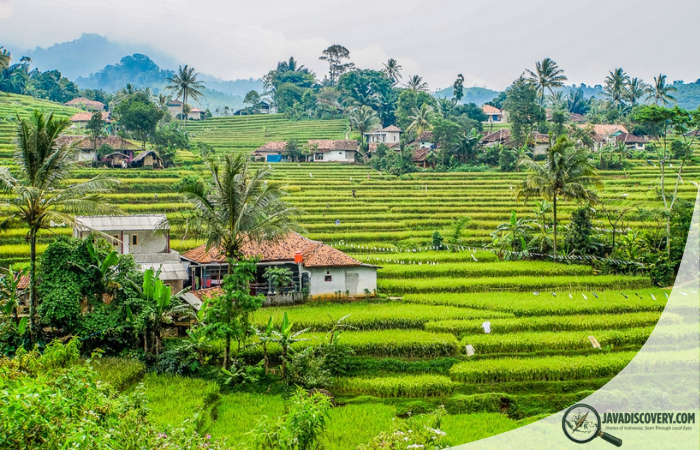
javadiscovery.com – Before sunrise brushes the rice fields with pale gold, many villagers in Central Java have already searched their memories for fragments of the night. A falling star. A flooded house. A snake coiled beneath a bed. These are not dismissed as stray images from sleep. In rural Java, dreams are signals, warnings, blessings, and sometimes negotiations between worlds. They are discussed over morning tea with the same seriousness as weather forecasts.
The Night as a Second Realm
Across :contentReference[oaicite:0]{index=0}, particularly in rural communities, the boundary between the visible and invisible is understood as porous. Daylight belongs to labor and obligation. Night, however, opens another dimension. When the body rests, the soul is believed by some to travel.
This belief draws from layers of Javanese spirituality that blend Islamic teachings, older animist traditions, and traces of Hindu Buddhist cosmology. Dreams are not merely psychological echoes. They may carry messages from ancestors, spirits, or divine forces.

In a village near :contentReference[oaicite:1]{index=1}, an elderly farmer named Pak Wiryo explains it quietly. “When we sleep, our guard is lowered,” he says. “That is when truth can enter without resistance.”
The Primbon and Symbolic Codes
Central to dream interpretation in rural Java is the primbon, a traditional Javanese compendium of mystical knowledge. Among its many sections are guides to decoding dreams. Though versions differ from village to village, certain symbols recur with striking consistency.
To dream of clear water often signals fortune or spiritual cleansing. Muddy water suggests confusion or conflict. Snakes may represent hidden enemies or, in other contexts, unexpected wealth. Teeth falling out can imply loss within the family.
The interpretation depends on context, personal circumstance, and timing. No symbol stands alone.
Timing and Cosmic Alignment
The Javanese calendar, with its intricate cycles of market days and spiritual markers, influences how dreams are read. A dream occurring on a specific day may carry different weight than the same dream on another.
Villagers sometimes consult elders to determine whether a dream demands action or patience. Not every dream requires response. Discernment is essential.
Dreams as Warnings
In rural districts near :contentReference[oaicite:2]{index=2}, stories circulate of dreams that foretold illness or accident. A mother dreams of a cracked bridge days before her son injures himself crossing a narrow bamboo path. A fisherman dreams of turbulent seas and decides to postpone his journey.
Such accounts reinforce communal belief. Skeptics may attribute these correlations to coincidence, yet within the village, the narrative carries moral instruction. Pay attention. Remain alert. Respect the unseen.
Dreams function as emotional rehearsal, preparing the dreamer for potential outcomes.
Ancestral Presence in Sleep
One of the most profound aspects of dream interpretation in rural Java involves encounters with ancestors. A deceased grandparent appearing in a dream may signal unfinished obligation or offer reassurance.
When such dreams occur, families often visit gravesites to pray and clean the area. The act acknowledges continuity between generations. It affirms that relationships do not end with death.
In these moments, dreams become bridges across time.
The Tone of the Encounter
Interpretation hinges not only on imagery but on emotional tone. Was the ancestor smiling or silent? Was the atmosphere calm or heavy? Villagers pay close attention to feeling.
A peaceful encounter suggests blessing. A tense exchange may prompt reflection on neglected duties or strained family ties.
Islamic Influence and Scriptural Guidance
Islam shapes contemporary Javanese spirituality, and religious teachers often reference prophetic traditions regarding dreams. In Islamic understanding, some dreams originate from divine inspiration, others from daily thoughts, and still others from darker forces.
In pesantren communities, students are taught to distinguish between meaningful dreams and ordinary mental residue. Prayer before sleep is encouraged to invite clarity.
This framework coexists with older symbolic systems, forming a layered interpretive landscape.
Psychological Dimensions
While spiritual explanations dominate public discourse, dreams also reveal psychological truths. A farmer burdened by debt may dream of collapsing roofs. A young bride anxious about relocation might dream of losing her way in dense forest.
Even when interpreted mystically, these dreams provide emotional release. Discussing them aloud allows hidden fears to surface within a supportive circle.
In this sense, dream interpretation in rural Java functions as communal therapy disguised as tradition.
Collective Dreams and Shared Meaning
Occasionally, similar dreams ripple through a community during times of crisis. Before volcanic tremors near :contentReference[oaicite:3]{index=3}, some villagers reported visions of smoke and restless earth.
Whether coincidence or subconscious response to subtle environmental cues, these shared dreams strengthen communal bonds. They generate collective vigilance.
The Role of the Elder Interpreter
Every village tends to have at least one respected elder known for interpretive wisdom. This person may not claim mystical power. Instead, they possess deep knowledge of symbolism and human nature.
When a troubling dream disturbs a household, family members gather to recount every detail. The interpreter listens carefully, asking about recent events, emotional states, and even dietary habits. Interpretation becomes conversation rather than proclamation.
Through dialogue, anxiety transforms into manageable narrative.
Modern Skepticism and Quiet Persistence
Younger generations exposed to urban education sometimes question traditional interpretations. Smartphones glow in bedrooms where grandparents once told stories by oil lamp. Yet even among skeptics, curiosity lingers.
A vivid dream can unsettle the most rational mind. When unease persists, many still turn to elders for reassurance. Tradition adapts rather than vanishes.
Dreams and Moral Reflection
Some dreams are interpreted as moral reminders. A vision of wandering endlessly may suggest spiritual neglect. A house engulfed in flame might symbolize uncontrolled anger.
Rather than predicting external events, these dreams call for introspection. The dreamer is encouraged to pray, reconcile conflicts, or adjust behavior.
In this way, dream interpretation reinforces ethical norms.
Night Conversations in Bamboo Houses
After evening prayers, families in rural Java often sit together on cool tile floors. Crickets pulse in the darkness. Someone begins recounting a dream from the previous night. Children listen wide eyed as elders debate its meaning.
The conversation drifts between humor and seriousness. Laughter breaks tension when symbols grow ominous. By the time lamps are extinguished, fear has softened into shared understanding.
The Persistence of Mystery
Despite centuries of interpretation, dreams remain elusive. Not every symbol resolves neatly. Some visions fade without explanation.
Yet uncertainty does not diminish belief. Instead, it deepens humility. The unseen world is acknowledged as vast and intricate.
Conclusion: Maps in the Dark
As dawn returns and roosters call across misty fields, villagers step back into daylight tasks. Rice must be planted. Markets must open. Children must walk to school.
Still, fragments of the night linger. A dream remembered may guide a decision, temper a mood, or prompt a prayer.
Dream interpretation in rural Java is less about prediction than relationship. It sustains connection between people and ancestors, between emotion and action, between visible life and hidden currents.
In the quiet hours before sunrise, when the world feels suspended between shadow and light, dreams become maps drawn in darkness. And in rural Java, those maps are read with care.
Category: Spiritual
Writer: Laras Pramesti
A. SEO Title
Dream Interpretation in Rural Java and Its Living Beliefs
B. Meta Description
Explore dream interpretation in rural Java, where symbolism, spirituality, and ancestral memory shape how communities understand the night.
C. Meta Keywords
dream interpretation in rural Java, Javanese spirituality, primbon Jawa, village beliefs Java, Javanese mysticism, dreams and omens Java
D. Excerpt
In rural Java, dreams are maps drawn in the dark.
F. Focus Keyword
dream interpretation in rural Java