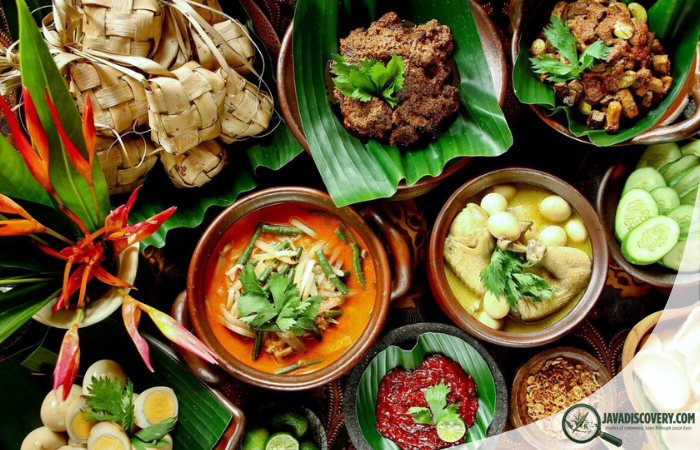
From Royal Kitchens to Home Stoves in Javanese Cuisine


javadiscovery.com – In the heart of Java, where shadow puppets dance across bamboo screens and temple bells mark the passing of time, a culinary story unfolds that spans centuries. Javanese cuisine, with its complex balance of sweet, savory, and aromatic flavors, carries whispers of royal banquets, humble village meals, and the ever-changing tastes of a living culture.
The Royal Origins of Javanese Cooking
Long before the clatter of modern kitchens, Javanese cuisine thrived in the palaces of Yogyakarta and Surakarta, where royal chefs—abdi dalem—meticulously prepared feasts for sultans and their courts. The palace kitchens were not mere spaces for cooking; they were theaters of artistry, where each dish was a composition of color, scent, and texture.
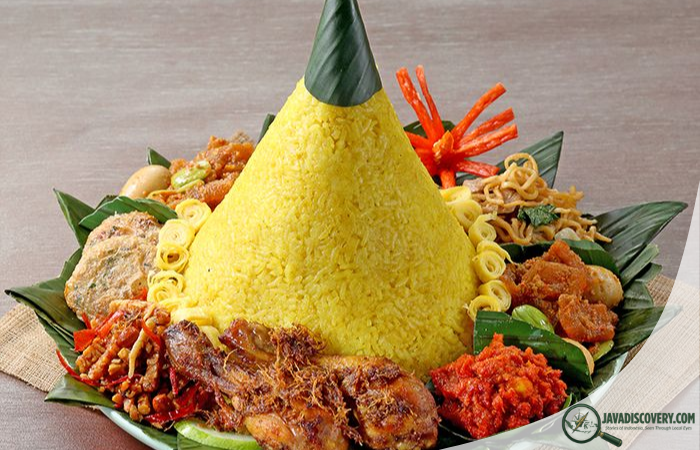
Within the high-walled courtyards, steaming bamboo pots released fragrant clouds of coconut, lemongrass, and galangal. The royal menu was a delicate dance of sweet gula jawa, fiery cabe rawit, and earthy herbs. Dishes like tumpeng—cone-shaped rice surrounded by an array of vegetables, meats, and eggs—symbolized prosperity and cosmic balance. Each component held a ritual significance, and meals were as much spiritual experiences as they were culinary delights.

Royal Recipes and Their Symbolism
The Javanese palate favors subtlety over overt spice, and palace dishes reflected this philosophy. Sweet-soaked opor ayam—chicken simmered in coconut milk with a hint of palm sugar—showcases the court’s preference for harmony, where no single ingredient dominates. Similarly, gudeg, young jackfruit stewed with palm sugar and coconut milk, was not only a favorite of the kraton but also a dish steeped in patience and slow cooking techniques that mirrored the contemplative rhythms of palace life.
Royal chefs often inherited their knowledge through centuries of apprenticeship. Techniques were carefully guarded secrets, handed down from mentor to disciple, ensuring continuity of flavor and tradition. Even today, some palaces maintain a kitchen staff devoted solely to preserving these ancient methods.
The Migration of Palate: From Court to Commoner
As the influence of the sultanates extended to villages and towns, royal recipes began to trickle down to everyday life. Peasants and merchants adapted grand dishes using locally available ingredients. Coconut milk remained a luxury, but palm sugar, native herbs, and seasonal vegetables became staples for home cooks.
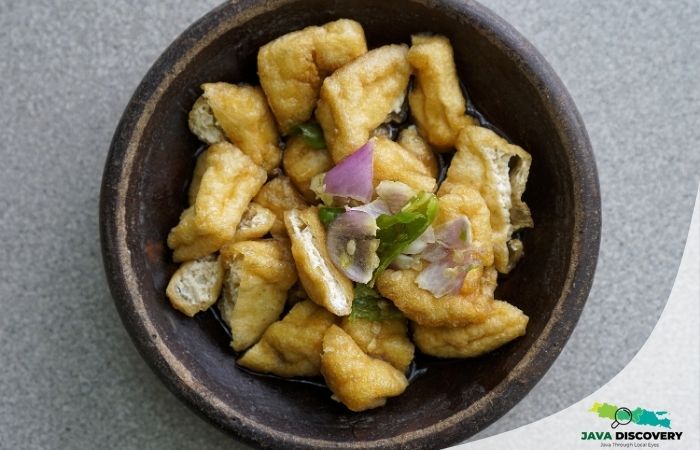
The evolution of Javanese cuisine in the domestic sphere reflects ingenuity and practicality. For instance, sayur lodeh—vegetable stew in coconut milk—transformed from an elaborate palace side dish into a nourishing everyday meal. Villagers substituted expensive meats with tempeh, tofu, or seasonal greens, demonstrating the adaptability of royal flavors to the rhythms of daily life.
Street Flavors and Market Kitchens
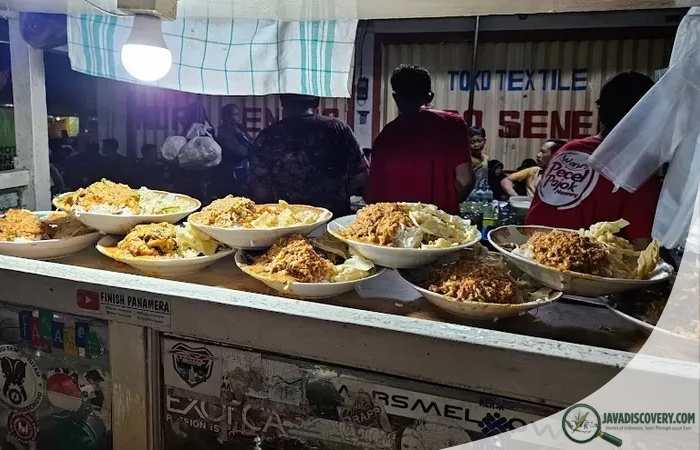
By the 19th century, Javanese food culture expanded beyond the palace and home into the bustling marketplaces. Vendors with clay stoves and woven bamboo baskets introduced snacks such as serabi pancakes and getuk cassava cakes. These street treats retained the subtle sweetness and aroma that characterized the royal kitchens, making the flavors accessible to all social classes.
The markets also became hubs of culinary experimentation. Spices from Java’s coastal trade routes, including cloves, nutmeg, and pepper, infused local recipes. Dishes like nasi liwet—rice cooked in coconut milk with anchovies and herbs—illustrate how Javanese cuisine absorbed regional influences while maintaining its core identity of balance and harmony.
The Modern Home Kitchen and Culinary Continuity
In contemporary Java, kitchens hum with a fusion of tradition and innovation. While the grand feasts of the kraton are rare, the essence of royal cuisine survives in daily meals. Home cooks wield pressure cookers alongside earthenware pots, blending age-old techniques with modern convenience. Despite technological shifts, certain rituals persist: the careful layering of spices, the slow simmer of coconut milk, and the ceremonial presentation of tumpeng during celebrations.
Families preserve these culinary traditions through storytelling and hands-on practice. Grandmothers recall the scent of gula jawa caramelizing in a brass pan; fathers teach children to pound spices in mortar and pestle; mothers demonstrate the art of folding banana leaves for steaming rice. These acts of transmission ensure that the cultural memory of Javanese cuisine remains vivid, even as tastes evolve.
Cultural Reflections in Every Dish
Javanese cuisine is more than nourishment—it is a mirror of cultural values. The preference for harmony, patience, and subtlety reflects broader philosophical currents in Javanese life, influenced by Hindu-Buddhist teachings and later Islamic thought. Meals are often communal, emphasizing social bonds and respect for nature. Ingredients are carefully chosen to honor the seasons, the land, and the ethical responsibility of sustenance.
Even the smallest snack carries cultural weight. Bakpia, sweet mung bean-filled pastries, were once a ceremonial gift, now a staple in local celebrations. Lumpia, delicate spring rolls, recall centuries of trade with Chinese merchants and the adaptability of Javanese kitchens to external influence.
The Ongoing Journey of Javanese Cuisine
Today, Javanese cuisine continues to evolve, bridging past and present. Chefs experiment with plating, presentation, and fusion while maintaining the core principles of balance, aroma, and texture. Yet, whether served in a palace hall, a humble village kitchen, or a street-side stall, the essence of Javanese cooking remains the same: a celebration of flavor, patience, and human connection.
From royal kitchens to home stoves, the journey of Javanese cuisine is a story of adaptation, resilience, and cultural continuity. Each dish tells a tale—not only of ingredients and techniques but of the people who nurtured and cherished them across generations. It is a living tradition, steeped in history, yet vibrant in its present, inviting us to taste not just food, but the rich tapestry of Java itself.
In tracing the evolution of Javanese cuisine, we glimpse a world where food is a vessel of culture, a symbol of harmony, and a medium of memory. From the ornate feasts of sultans to the simple home-cooked meals, the flavors of Java encapsulate centuries of history, trade, and human creativity. This culinary journey reminds us that eating is never merely about sustenance—it is an immersion into the spirit, artistry, and values of a place and its people.