The Sustenance of Seasons: Traditional Storage Systems for Food

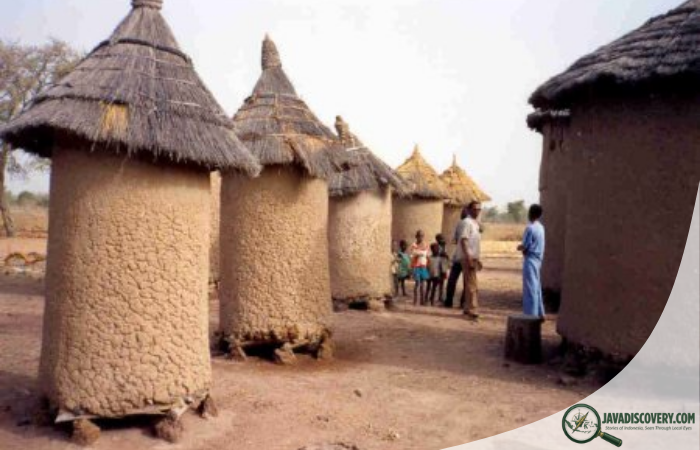
javadiscovery.com – In the golden twilight of a harvest in rural Wonogiri, traditional storage systems for food begin with the rhythmic stacking of “padi” (unhusked rice) inside a towering wooden structure known as a “lumbung.” To the Javanese, these are not merely silos; they are the sacred treasuries of “Dewi Sri,” the Rice Goddess, where the lifeblood of the village is guarded against the damp rot of the tropics. Traditional storage systems for food are a masterclass in vernacular engineering, utilizing the natural breathability of teak wood, bamboo, and clay to preserve the harvest for months without a single watt of electricity. In a landscape defined by the cycle of “rendengan” (rainy season) and “ketiga” (dry season), these systems are the physical manifestation of “pranata mangsa”—the ancient Javanese cosmic calendar—ensuring that the family’s “rezeki” (blessing) remains “awet” (durable) and pure through the turning of the year.
The Lumbung: The Architectural Guardian of Rice
To understand the local reliance on traditional storage systems for food, one must first look at the “lumbung padi.” This structure is elevated high above the ground on four massive pillars, often fitted with circular wooden discs called “bledheg” to prevent rodents from climbing into the grain. The elevation serves a dual purpose: it protects the crop from the rising moisture of the volcanic soil and allows for “sirkulasi udara” (air circulation) to flow beneath the floor. In Javanese philosophy, the lumbung is the stomach of the household; if the lumbung is full, the family can remain “tentrem” (tranquil) regardless of the fluctuations in the market.
The choice of wood for the lumbung is a matter of both durability and spiritual alignment. “Kayu jati” (teak) is the preferred material, prized for its natural oils that repel termites and wood-boring beetles. The joints are traditionally secured with wooden pegs rather than iron nails, allowing the structure to “sway” during the frequent tremors of the island, keeping the grain undisturbed. Traditional storage systems for food like the lumbung are built to last for generations, often becoming heirloom structures passed down from one “kepala keluarga” (head of household) to the next, carrying the literal and metaphorical weight of the family’s survival.

Local voices in the “desa” (villages) of Central Java describe the lumbung as a place of quiet reverence. An elder farmer explains that one never enters the lumbung with a “heavy heart” or in a state of anger. The rice is a living spirit, and traditional storage systems for food are designed to honor that spirit. The scent inside is one of dry straw and toasted earth, a fragrance that signifies safety and abundance. The lumbung is the village’s insurance policy, a communal or familial bank where the currency is the very grain that built the great civilizations of the archipelago.
The Pogo: Fire, Smoke, and Preservation
In the “pawon” (traditional kitchen), traditional storage systems for food take a more intimate and atmospheric form known as the “pogo.” The pogo is a sturdy bamboo or wooden rack suspended directly above the “luweng” (wood-burning stove). As the cook prepares daily meals, the rising heat and “asap” (smoke) from the fire envelop the items stored on the rack. This constant exposure to smoke acts as a natural preservative, drying out moisture-sensitive items like corn, shallots, and bundles of “tempe” wrapped in teak leaves.
The smoke contains phenolic compounds that inhibit the growth of mold and ward off insects, creating a sterile environment in the middle of a humid kitchen. This is one of the most ingenious traditional storage systems for food because it uses the “sisa energi” (waste energy) of the cooking process. Corn cobs stored on the pogo can last for over a year, their kernels hardening into amber-like beads that are later ground into “nasi jagung.” The pogo represents the Javanese value of “irit” (frugality) and the total utilization of every element within the domestic sphere.
The pogo also serves as a ripening station. “Pisang” (bananas) and “mangga” (mangoes) are often placed there to accelerate their sweetness through the gentle warmth of the rising air. The visual of the pogo—heavy with hanging bundles of garlic and blackened by years of soot—is a hallmark of the Javanese hearth. Traditional storage systems for food in this context are not hidden away in a pantry; they are part of the kitchen’s living geography, constantly interacting with the daily life of the “ibu” (mother) who tends the flame.
The Gentong and the Mastery of Clay
Water and liquid ferments require different traditional storage systems for food, primarily centered around the “genthong” (large clay jar). Made from the iron-rich red clay of the plains, the genthong is an unglazed vessel that “perspires.” Through the process of evaporative cooling, the contents remain significantly cooler than the surrounding air. For the Javanese, the genthong is the ultimate vessel for “wedang” (drinks) and the storage of “beras” (husked rice) for daily consumption.
The thermal mass of the clay provides a stable environment for “tape” (fermented cassava or glutinous rice). The genthong regulates the internal temperature, preventing the fermentation from becoming too aggressive in the midday heat. Traditional storage systems for food made of clay are valued for their “adem” (cool/calm) quality, which is believed to transfer to the consumer. Drinking water from a clay genthong is said to ground the spirit, a physical connection to the “bumi” (earth) that modern plastic dispensers cannot replicate.
In the coastal regions, smaller clay pots are used for the storage of “terasi” (shrimp paste) and “petis.” The salt-rich environment of these fermented pastes, combined with the breathable walls of the clay, allows them to develop a deep, “umami” complexity over time. Traditional storage systems for food in these maritime communities are focused on the alchemy of salt and sun, where the clay pot acts as the catalyst for the transformation of raw seafood into a stable, long-lasting condiment that defines the Javanese palate.
Leaves and Wrappings: The Organic Skin
Perhaps the most widespread of the traditional storage systems for food in Java is the use of “daun-daunan” (various leaves) as temporary storage and preservation barriers. The “daun pisang” (banana leaf) and “daun jati” (teak leaf) are not just packaging; they are active biological agents. Teak leaves, in particular, contain natural tannins that possess antimicrobial properties, making them the ideal storage wrap for “tempe” and “nasi berkat.”
When “tempe” is fermented inside a teak leaf, the leaf provides the perfect amount of oxygen for the “Rhizopus” mold to flourish while keeping harmful bacteria at bay. This organic “packaging” is one of the most sustainable traditional storage systems for food ever devised. It is biodegradable, abundant, and adds a specific “aroma” to the food that is highly prized. In the markets of Solo and Yogyakarta, food wrapped in leaves is always valued more than that in plastic, as the leaf is seen as a sign of “kesegaran” (freshness) and “keaslian” (authenticity).
The “besek”—a small lidded box made of woven bamboo—is another critical component. Used for the short-term storage of snacks and ritual foods, the besek allows for “ventilasi” (ventilation) that prevents the food from becoming “basi” (spoiled) in the heat. Traditional storage systems for food like the besek are an extension of the weaving culture of Java, turning the island’s grasses and palms into functional tools that protect the household’s sustenance while maintaining a low ecological footprint.
The Persistence of Ancient Wisdom
As modern refrigeration spreads across Indonesia, traditional storage systems for food are undergoing a period of re-evaluation. While a refrigerator is convenient for meat and dairy, it often kills the “roso” (flavor/feeling) of traditional Javanese ingredients. Many Javanese still prefer to store their “bumbu” (spices) on a pogo or in a clay jar, claiming that the “kulkas” (fridge) makes the garlic lose its pungency and the rice lose its texture. This preference is a quiet testament to the effectiveness of the old ways.
The return to traditional storage systems for food is also driven by a growing awareness of food security and sustainability. In the event of a power outage, the family with a filled lumbung and a seasoned pogo remains unaffected. These systems represent a “teknologi tepat guna” (appropriate technology) that is perfectly tuned to the Javanese environment. They are resilient, low-cost, and deeply integrated into the cultural and spiritual life of the people. They remind us that true progress is not always about the newest machine, but about the most harmonious relationship with the world around us.
Ultimately, traditional storage systems for food are about the Javanese virtue of “gemmi”—the wisdom of saving for a rainy day. To fill a lumbung or to hang corn on a pogo is an act of hope and a promise to the future. It is a way of saying that despite the uncertainties of the seasons, the family will be fed, and the community will endure. As long as the smoke rises from the luweng and the teak wood stands strong, the ancient storage systems of Java will continue to guard the bounty of the earth, one grain at a time.