Gudeg vs Rawon The Flavors That Define Java’s Culinary Soul

javadiscovery.com – On one island, two flavor worlds. In Yogyakarta, gudeg simmers patiently until young jackfruit turns the color of teak and tastes like caramelized forest. Far to the east, rawon arrives as a midnight-black broth that smells nutty, earthy, and a little mysterious. Together, they tell the story of Java’s palate—refined sweetness meeting bold depth.
Gudeg — The Sweet Soul of Yogyakarta
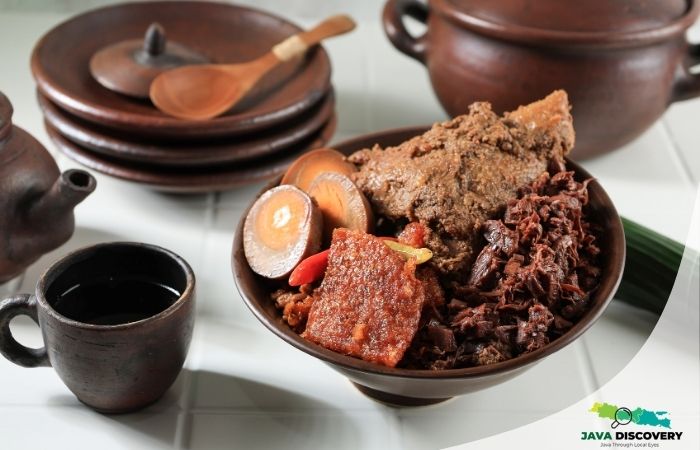
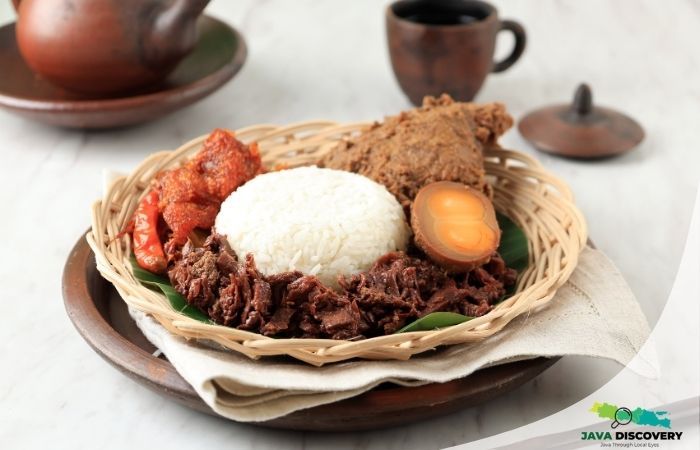
Gudeg is built from unripe jackfruit (gori or nangka muda) slow-cooked for hours with coconut milk, palm sugar, bay leaves, galangal, and teak leaves that lend a distinctive brown hue. The result is tender, slightly fibrous fruit that tastes gently sweet and savory at once—comforting without ever shouting.
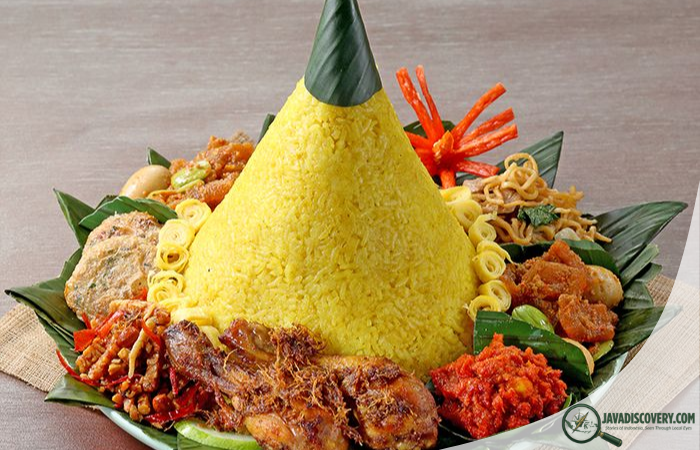
Two classic styles define the experience. Gudeg basah stays moist and saucy, perfect for soaking into warm rice, while gudeg kering cooks longer until the fibers gloss over and turn jammy. On the plate, gudeg rarely travels alone: there’s usually krecek (spicy cow-skin stew that brings chili heat and chew), simmered chicken, hard-boiled eggs braised in coconut gravy, tofu or tempeh, and a spoon of sambal for balance. It is breakfast for some, late-night comfort for others, and a symbol of the city’s patient, harmonious culinary rhythm.

Rawon — The Bold Black Soup of East Java
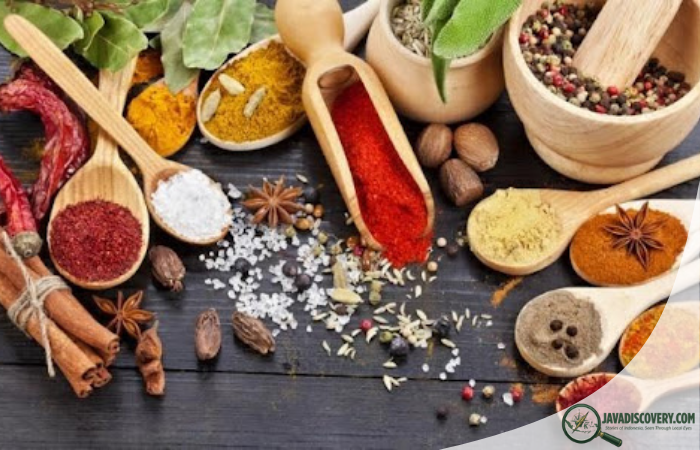
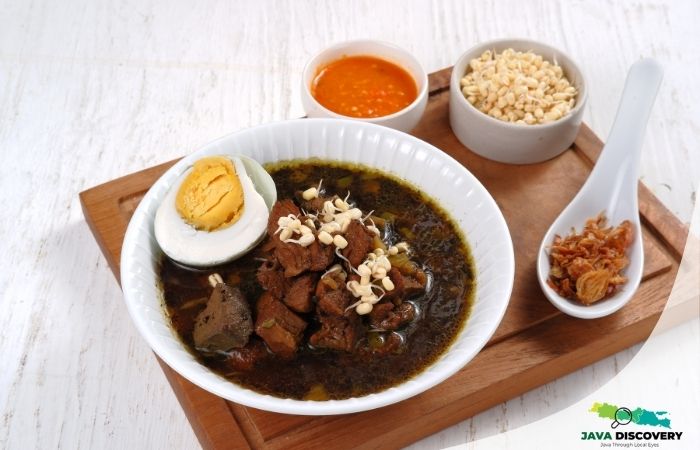
Rawon speaks in shadows—its color comes from keluak (pangium) nuts, whose fermented flesh turns broth into lacquer-black velvet. Beef—often shank or brisket—simmers with a spice paste of shallots, garlic, coriander, candlenut, turmeric, ginger, galangal, lemongrass, and the star, mashed keluak. The flavor is deep and layered: earthy like damp teak, faintly nutty, with a clean, savory finish.
Traditionally associated with Surabaya, Malang, and the Pasuruan–Probolinggo corridor, rawon is served with steamed rice, a squeeze of lime, crisp bean sprouts, scallions, and salty counterpoints like telur asin (salted egg) and empal (sweet-fried beef). A fistful of prawn crackers and a dab of sambal lift the edges. Where gudeg is semitone-sweet, rawon is bass-note savory.
Sweetness and Shadow — What These Dishes Say About Java
Gudeg and rawon carry more than flavor; they carry philosophy. Gudeg prizes patience, gentle heat, and the art of coaxing sweetness from humble ingredients—an echo of courtly Yogyakarta where refinement and restraint shape taste. Rawon embraces intensity and contrast—heat versus cool herbs, light rice against black broth—mirroring East Java’s bolder street-side energy and robust spice culture.
Geography and history play their parts. Central Java’s old trade lanes made palm sugar and coconut staples of the kitchen, while East Java’s ports and markets encouraged spice-forward profiles and hearty beef soups for laborers and travelers. Both dishes become edible maps of place and memory.
How to Recognize the Real Thing
Authentic Gudeg
Look for fibers of jackfruit that hold their shape, a natural brown tint (often from teak leaves), and sweetness that doesn’t cloy. The supporting cast matters: proper krecek should be spicy-bright, and the egg should be stained tan from long braising.
Authentic Rawon
True rawon is glossy but not greasy, with a clean blackness and a perfume of keluak rather than simple soy-salt. The broth should coat the rice lightly, and the lime-sprout garnish should freshen, not mask, the soup’s earthy core.
Where to Taste Them on the Island
For Gudeg in Yogyakarta: Explore the old streets around Wijilan and Prawirotaman where family-run kitchens stir jackfruit through the night. Many spots offer both basah and kering versions; ask for a mixed plate with krecek, chicken, and egg to understand the harmony of textures.
For Rawon in East Java: In Surabaya and Malang, morning bowls steam from market-side warungs; in Probolinggo and Pasuruan, roadside eateries keep cauldrons going all day. Order your bowl with sprouts and salted egg, then add lime and sambal in small steps until the balance sings.
Home Kitchen Notes
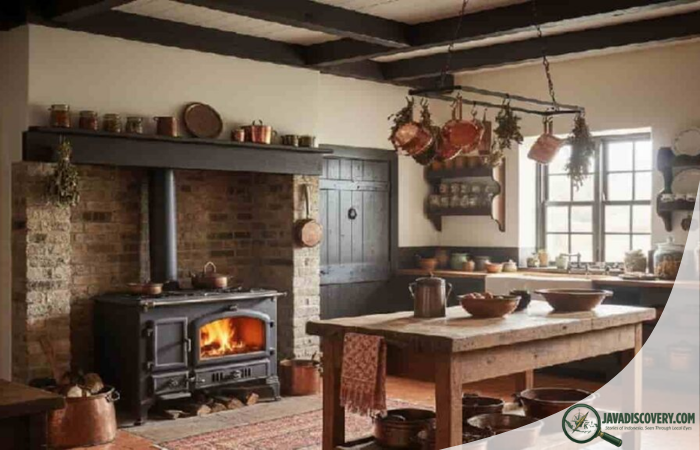
If you’re cooking at home, think about heat and time. Gudeg thrives on low, steady warmth and patient reduction; a heavy pot and an unhurried afternoon will reward you. Rawon needs careful spice blending and good keluak—opt for pre-prepared, food-safe kernels or pastes from reliable sources, and toast your spices lightly to wake their aroma before simmering with the beef.
Closing — One Island, Many Ways to Be Delicious
Gudeg and rawon aren’t rivals so much as complements. One paints with sunlight and palm sugar; the other with shadow and nut-brown spice. Taste them side by side and you’ll find what Java has long known—sweetness and depth belong to the same table, teaching us that harmony is richer when it includes contrast.