The Sacred Flow of Java Water Rituals and Ancient Soul

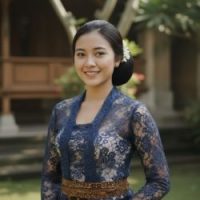
javadiscovery.com – Beneath the heavy canopy of ancient banyan trees in the heart of Central Java, the sound of trickling water is more than a natural melody. It is a sacred dialogue. Here, water is not merely a resource but a vessel for the divine, a liquid memory that connects the present to a lineage of ancestors and deities. In a quiet courtyard, a mother carefully prepares a large earthenware bowl, filling it with cool well water and scattering the petals of seven different flowers: jasmine, rose, magnolia, and cananga. As the scent of crushed blossoms rises in the morning heat, she prepares for the Siraman, a ritual bath that signifies the transition from one life stage to another. This act of pouring water is the heartbeat of Javanese spirituality, a rhythmic cleansing of the soul that seeks to restore the delicate balance between the physical world and the unseen realms of the spirit.
The Philosophy of Banyu: Life in Every Drop
For the Javanese, water is known as banyu in everyday speech, but in the realm of the sacred, it is often referred to as tirta. This term, rooted in Sanskrit, denotes holy water or a place of pilgrimage. To understand the cultural meaning of pouring water in Java, one must first grasp the concept of cosmic equilibrium. The Javanese worldview, heavily influenced by a blend of animism, Hinduism, Buddhism, and Islam, suggests that the universe exists in a state of constant vibration. Human beings, through their actions and thoughts, can either maintain this harmony or disrupt it. Water is the primary tool used to recalibrate this balance.
Water is perceived as a feminine force: cool, yielding, yet capable of carving through stone. It represents the source of life, fertility, and the essential purity of the origin. When water is poured, it is rarely just a physical act of hydration or hygiene. It is an intentional gesture of “ngumbah” or washing away the “sakal” (spiritual impurities) and “bebendhu” (misfortune). This belief is so deeply ingrained that even the location from which the water is drawn matters. Water taken from a single source is sufficient for daily chores, but for a ritual of significance, water must often be gathered from seven different sacred springs, representing the seven layers of the heavens or the seven generations of ancestry.

This philosophy extends to the very structure of the island. Java is defined by its water: the torrential rains of the monsoon, the steaming thermal springs of the volcanic highlands, and the crashing waves of the Indian Ocean. Every body of water is believed to have a guardian. From the smallest village well to the vast expanse of the Southern Sea, the presence of water demands a ritualistic acknowledgment. To pour water is to acknowledge the life force that sustains the rice paddies and the human spirit alike.
Siraman: The Seven Springs of the Soul
Perhaps the most visually stunning and emotionally resonant water ritual in Java is the Siraman. Performed traditionally before a wedding or during the seventh month of a first pregnancy (a ceremony known as Mitoni), the Siraman is an immersive experience designed to “cleanse” the individual before they enter a new chapter of existence. The ritual usually takes place in the morning, in a garden or a semi open pavilion where the sunlight can filter through the trees, creating a dappled pattern on the wet stone floors.
The water used in the Siraman is a complex concoction. It is not just H2O: it is a botanical infusion. The inclusion of “Kembang Setaman,” or the flowers of the garden, is essential. Each flower carries its own symbolic weight. The white jasmine represents purity of heart, the red rose represents the courage of life, and the magnolia (kanthel) represents the “attachment” or the enduring bond between the individual and their family. When these petals are stirred into the water, the liquid becomes a fragrant barrier against negative energy.
During the ceremony, the person being bathed sits on a chair covered with various traditional mats and leaves, including the “daun kluwih” (symbolizing excellence) and “daun alang-alang” (symbolizing resilience). Elders and family members take turns pouring the water over the individual’s shoulders using a “siwur,” a traditional ladle made from a polished coconut shell with a bamboo handle. Each scoop of water is accompanied by a silent prayer or a “mantra” for the individual’s future. The physical sensation of the cool water, the weight of the floral scent, and the rhythmic sound of the pouring create a sensory experience that is meant to ground the participant, reminding them of their roots even as they prepare to grow in a new direction.
The Alchemy of Flowers and Fragrance
The sensory detail of the Siraman is intentional. In Javanese culture, fragrance is a medium through which the human and spiritual worlds communicate. The scent of the flowers in the water is believed to attract “khodam” or guardian spirits who will provide protection to the individual. As the water cascades over the skin, the flowers often stick to the body, a physical representation of the blessings being bestowed. A local elder in the city of Solo once remarked that the Siraman is like “polishing a diamond.” The diamond is always there, but the dust of the world obscures its light. The water and the flowers do not create the light: they simply reveal it.
The temperature of the water is also significant. While modern homes may have water heaters, the ritual water is almost always kept at its natural, cool temperature. This “adem” (cool/calm) quality is a highly valued trait in Javanese psychology. To be “adem” is to be emotionally stable, wise, and at peace. By pouring cool water, the family is symbolically cooling the passions and anxieties of the bride or the expectant mother, ensuring she enters her new role with a clear and steady heart.
The Kendi and the Final Breaking
The climax of the Siraman involves the “Kendi,” a traditional necked earthenware pitcher. The final pouring is often done by the parents from this vessel. Once the Kendi is empty, it is ceremoniously dropped or smashed on the ground. The breaking of the clay is a visceral sound that marks a point of no return. It signifies that the “shards” of the old life have been discarded and that the transition is complete. The phrase often uttered at this moment is “Wis pecah pamore,” meaning the inner beauty and aura have finally broken through and are now visible to the world. It is a moment of profound release, often met with tears from the parents and a sense of solemnity from the onlookers.
Umbul: The Living Altars of the Earth
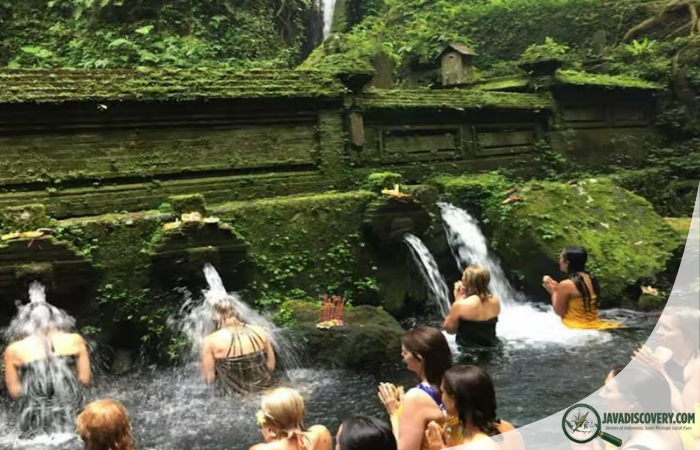
Beyond the domestic courtyards, the ritual of water pouring is conducted on a grand scale at Java’s “Umbul” or natural springs. These sites are the geological lungs of the island, where water bubbles up from deep subterranean volcanic aquifers. For centuries, these springs have been treated as living altars. Locations like Umbul Ponggok, Umbul Manten, and the royal baths of Taman Sari in Yogyakarta are not merely swimming holes: they are spaces where the earth “pours” its blessings into the human realm.
At these springs, the ritual of “Padusan” is performed. Occurring typically in the days leading up to the holy month of Ramadan, thousands of Javanese people flock to the Umbul to immerse themselves. The act is a collective cleansing. In the misty morning air of the highlands, men, women, and children step into the crystal clear water, which is often so pure that you can see the volcanic sand dancing at the bottom. There is a specific etiquette to this communal pouring. It is a quiet, meditative process. One does not splash or shout: one sinks into the water, allowing the natural flow to carry away the burdens of the previous year.
The architecture surrounding these springs often reflects their sacred status. Stone carvings of “Makara” (mythical sea creatures) guard the spouts where the water emerges. These spouts are designed to pour the water in a specific arc, mimicking the flow of a mountain stream. To stand under one of these stone spouts is to receive a direct transmission from the mountain itself. The water is believed to carry “energy” or “prana” from the earth’s core, capable of healing physical ailments and soothing a troubled mind. The texture of the stone, often covered in soft green moss, and the constant, thrumming sound of the water create an environment of ancient permanence.
The Guardian of the Sea: Rituals of the Southern Coast
The symbolism of water pouring takes on a darker, more powerful tone as one moves toward the southern coast of Java. Here, the Indian Ocean, known as the “Laut Selatan,” is the domain of Nyi Roro Kidul, the legendary Queen of the Southern Sea. The relationship between the Javanese people and this body of water is one of profound respect and occasional fear. The water here is not the gentle “tirta” of the springs: it is a wild, unpredictable force.
In rituals like “Labuhan,” which is performed by the Sultanate of Yogyakarta, offerings are not just placed on the water: they are “poured” into it. These offerings, which include hair clippings, fingernails, and old clothing of the Sultan, along with floral water and incense, are carried into the surf by ritual guards dressed in traditional batik. The act of consigning these items to the waves is a symbolic way of “pouring” the human ego and the potential misfortunes of the kingdom into the infinite depths of the ocean. The sea is viewed as a vast digestive system that can neutralize negative energy and return balance to the land.
Witnessing a Labuhan ceremony at Parangkusumo beach is a lesson in the scale of Javanese water symbolism. The roar of the waves is deafening, and the wind carries the salt spray deep into the lungs. When the ritual water is poured into the sand at the edge of the tide, it is immediately swallowed by the ocean. It is a reminder of the Javanese belief in “Sangkan Paraning Dumadi” — the origin and the destination of all things. Water comes from the clouds, flows through the mountains, sustains the people, and eventually returns to the great salt void of the sea.
Water in the Fields: The Breath of the Goddess
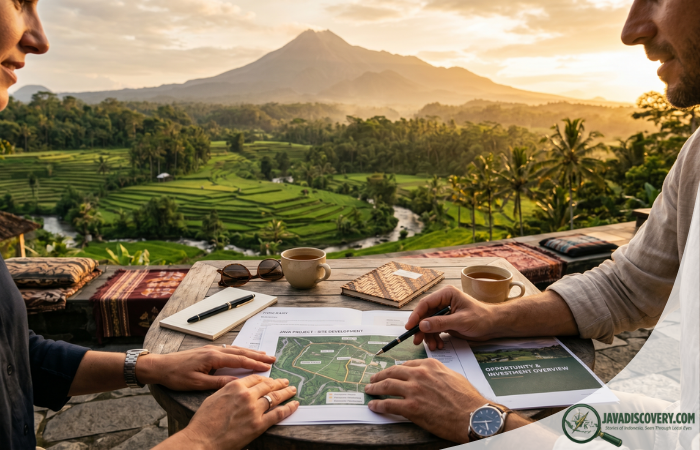
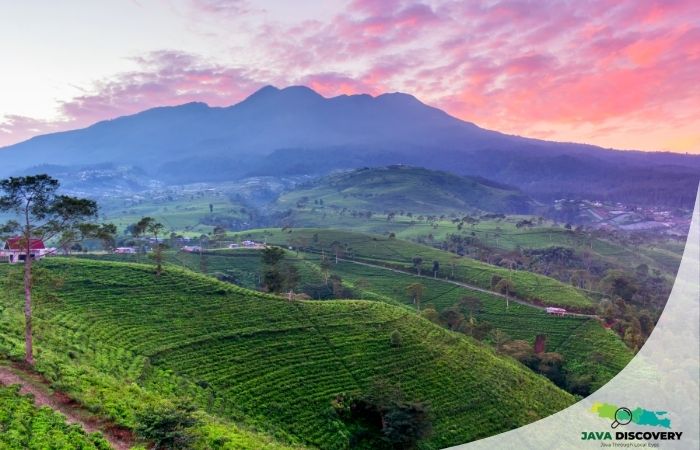
In the rural heartlands, the ritual of pouring water is a matter of survival. The vast emerald terraces of Java’s rice paddies are managed through a sophisticated irrigation system known as “Subak” in Bali, but which has its own ancient roots in Java. The distribution of water is not merely a technical task: it is a religious duty. The water that flows through the bamboo pipes and stone channels is seen as the lifeblood of Dewi Sri, the Rice Goddess.
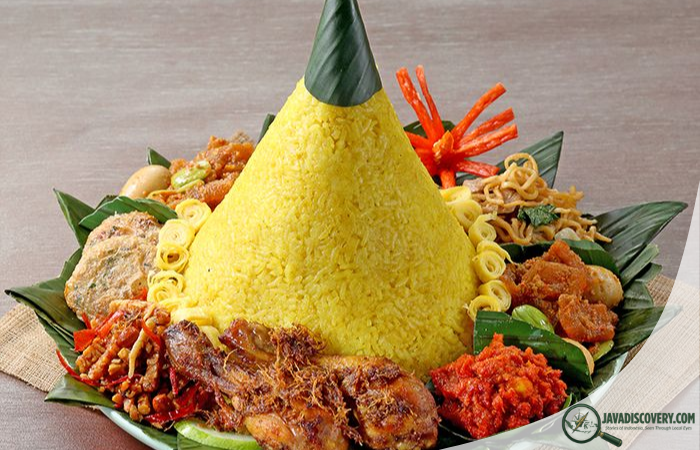
Before the water is allowed to flood a new field, a “Slametan” or communal feast is often held at the water gate. A small amount of water is poured over a “tumpeng” (a conical mound of rice), and prayers are offered to ensure the flow remains constant and the pests remain at bay. This ritual pouring acknowledges that the farmer is not the owner of the water, but merely its temporary steward. The water must be shared fairly, a concept known as “gotong royong” or mutual cooperation. To hoard water or to pollute it is considered a “kualat” — a spiritual sin that will bring bad luck to the entire village.
The visual of the water pouring into the terraces at sunset is one of the most iconic images of the Javanese landscape. Each level of the paddy acts as a mirror, reflecting the orange and purple hues of the sky. The sound is a constant, gentle “grojokan” (splashing) as the water moves from the higher elevations to the lower ones. This movement is a physical manifestation of the Javanese social hierarchy, where blessings are expected to flow from the elders and the leaders down to the community, provided the channels are kept clean and the rituals are observed.
The Persistence of the Flow
In the modern era, as concrete urbanism spreads across the island, the sacred water rituals of Java are facing new challenges. The “semenisasi” or the paving over of natural springs has led to the disappearance of some ancient Umbul. Pollution from industrial runoff threatens the purity of the rivers that once served as ritual sites. Yet, the Javanese commitment to the symbolism of water remains unshaken. In the middle of a modern city, a family will still find a way to perform the Siraman, perhaps using tap water but imbuing it with the same ancient intentions and the same seven types of flowers.
The cultural meaning of water in Java is ultimately about continuity. It is a reminder that despite the changes in technology or politics, the fundamental needs of the human soul remain the same: the need for cleansing, the need for blessing, and the need to feel connected to something larger than oneself. To pour water in the Javanese tradition is to participate in an eternal cycle. It is an act of hope, a gesture of humility, and a testament to the belief that as long as the water flows, the spirit of the island will endure.
As the last of the floral water drains into the earth at the end of a ceremony, a quiet stillness settles over the participants. The individual is wet, cold, and perhaps exhausted, but they are also “resik” — clean in a way that transcends the physical. They have been through the flow, and they have come out the other side, ready to face the world with the clarity of a mountain spring. In Java, the water never truly stops pouring: it simply changes form, waiting for the next ritual to call it back into the service of the soul.